Understanding the Check Engine Light: A Comprehensive Guide for Vehicle Owners and Maintenance Protocols

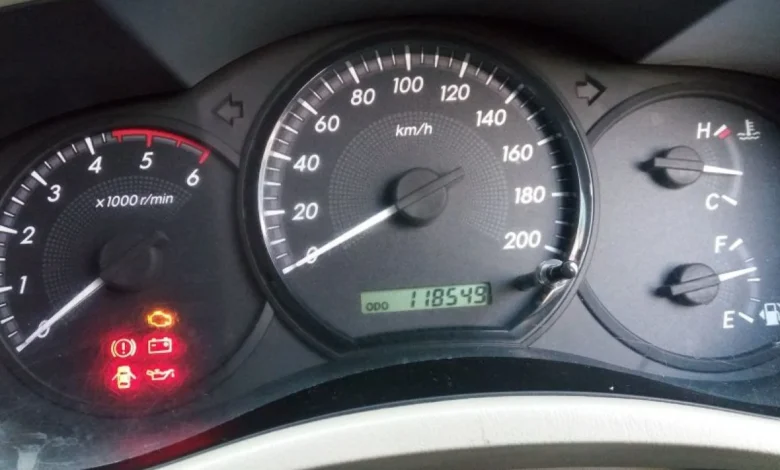
The illumination of the check engine light, formally known as the Malfunction Indicator Lamp (MIL), remains one of the most misunderstood and anxiety-inducing occurrences for modern motorists. Often depicted as a stylized engine icon in yellow or amber on the vehicle’s dashboard, this indicator serves as the primary gateway for the onboard diagnostics (OBD) system to communicate with the driver. While it is frequently perceived as a precursor to a catastrophic mechanical failure, the reality is far more nuanced. In contemporary automotive engineering, the MIL acts as a sophisticated health monitoring tool, tracking emissions, ignition timing, and various sensor inputs to ensure the vehicle operates within prescribed environmental and performance parameters.
The Evolution of Onboard Diagnostics
The history of the check engine light is inextricably linked to the evolution of environmental regulations and the rise of digital engine management. Prior to the mid-1990s, automotive diagnostics were fragmented and proprietary, with each manufacturer employing unique codes and interfaces. The mandate for OBD-II (On-Board Diagnostics II) in the United States in 1996—a standard soon adopted by major manufacturers globally—standardized the way vehicles monitor their health.
Today’s vehicles are equipped with an Electronic Control Unit (ECU) that constantly processes data from dozens of sensors. When these sensors report values outside of a predetermined "normal" range, the ECU logs a Diagnostic Trouble Code (DTC) and illuminates the MIL. This shift from mechanical reliance to sensor-based monitoring has allowed for more efficient emissions control and improved fuel economy, but it has also increased the sensitivity of the dashboard warning systems.
Dissecting the Signals: A Tiered Approach to Warnings
For the average driver, distinguishing between a transient system check and a critical failure is essential to maintaining both vehicle longevity and personal safety. The interpretation of the MIL should be approached through a tiered understanding of the light’s behavior.
1. The Startup Self-Diagnostic Phase
It is entirely normal for the check engine light to illuminate briefly when the ignition is switched to the "ON" position before the engine is cranked. This is a programmed self-test. The ECU essentially "pings" all electrical systems to ensure the warning bulbs and the monitoring circuits are operational. If the light extinguishes promptly after the engine turns over, no action is required. This confirms that the bulb is not burnt out and the system is communicating effectively.
2. The Persistent Indicator (Steady Light)
When the light remains illuminated while the vehicle is in operation, it signifies that the OBD-II system has detected a recurring fault. According to industry data, the most frequent triggers for a steady light include a loose or damaged fuel cap, a failing oxygen sensor, or an issue with the catalytic converter. While a steady light does not necessarily demand that the driver pull over immediately, it mandates a prompt visit to a certified technician. Ignoring a steady light can lead to degraded fuel efficiency, increased harmful emissions, and, over time, damage to more expensive components like the catalytic converter, which can cost thousands of dollars to replace if neglected.
3. The Flashing Indicator (Critical Warning)
A flashing check engine light is an urgent signal that requires immediate intervention. A strobe-like effect from the MIL almost exclusively points to a severe engine misfire. When a misfire occurs, unburned fuel is forced into the exhaust system, which can cause the catalytic converter to overheat rapidly, posing a fire risk and causing irreversible damage to the exhaust assembly. In this scenario, motorists are advised to reduce speed, minimize engine load, and safely exit the roadway to seek professional assistance. Continuing to drive with a flashing light is the most common cause of catastrophic engine damage in modern vehicles.
Common Culprits Behind the Code
Data provided by leading automotive service centers consistently highlights several recurring issues that trigger the MIL. Understanding these common triggers can help alleviate unnecessary panic:
- Evaporative Emission (EVAP) System Leaks: Often caused by a loose, cracked, or improperly tightened fuel cap. The EVAP system is designed to prevent fuel vapors from escaping into the atmosphere. A loose cap breaks the vacuum seal, triggering a warning.
- Oxygen (O2) Sensor Failure: This sensor measures the amount of unburned oxygen in the exhaust. A faulty sensor leads to an incorrect air-fuel mixture, resulting in poor gas mileage and potential engine hesitation.
- Ignition System Wear: Worn-out spark plugs or faulty ignition coils are frequent causes of engine misfires. These issues often manifest as a loss of power or a rhythmic vibration during acceleration.
- Mass Airflow (MAF) Sensor Issues: This sensor monitors the amount of air entering the engine to calculate the correct fuel injection volume. A dirty or failing MAF sensor can cause stalling or rough idling.
The Pitfalls of Symptom Masking
A common misconception among vehicle owners is that the MIL can be "fixed" by simply using an aftermarket OBD-II scanner to clear the error codes. This practice, often referred to as "resetting the light," is merely masking the symptom rather than addressing the root cause. Without repairing the underlying mechanical or electrical issue, the light will inevitably reappear.
Professional diagnostics go beyond clearing codes. Technicians utilize factory-level diagnostic software to examine "freeze frame" data—a snapshot of the engine’s operating conditions at the exact moment the fault was triggered. This data includes engine RPM, coolant temperature, and fuel trim values, all of which are vital for an accurate repair. Relying on simple code clearing not only delays necessary maintenance but can also lead to secondary failures that are more costly and dangerous.
Broader Implications for Vehicle Ownership
The modern reliance on electronic sensors has changed the relationship between the driver and the machine. While early vehicles could be diagnosed by the sound of the engine or the smell of exhaust, modern vehicles require an analytical approach. The implications of this are twofold:
- Preventative Maintenance: The check engine light should be viewed as a "check-in" rather than a "breakdown." Routine maintenance—such as changing spark plugs at recommended intervals and ensuring the fuel system is sealed—significantly reduces the frequency of MIL triggers.
- Safety Protocols: Drivers must be cognizant of accompanying symptoms. If the check engine light illuminates in tandem with other warning indicators, such as the oil pressure light, the engine temperature gauge spiking into the red, or a loss of braking power, the vehicle should be treated as incapacitated. These combinations indicate a systemic failure that threatens the integrity of the engine and the safety of the occupants.
Official Guidance and Professional Standards
Automotive manufacturers and safety organizations emphasize the importance of the owner’s manual. When a warning light appears, the manual serves as the definitive reference for the specific vehicle’s architecture. Manufacturers like Toyota and other global leaders have consistently advised that if the MIL is accompanied by any change in vehicle handling, engine noise, or performance, the vehicle should be evaluated by a professional.
Furthermore, the integration of telematics and connected car technologies means that many newer models now offer "remote diagnostics." Some manufacturers can push diagnostic reports to the owner’s smartphone, identifying the specific issue before the driver even reaches a service center. This advancement underscores the industry’s shift toward transparency and data-driven maintenance.
Conclusion
The check engine light is a testament to the sophistication of modern automotive technology. Rather than viewing it as a source of frustration, owners should perceive it as an essential communication tool designed to protect the vehicle’s powertrain and ensure compliance with environmental standards. By categorizing the warning—distinguishing between a transient self-test, a persistent system fault, and a critical engine misfire—drivers can make informed decisions that safeguard their investment. When in doubt, the most prudent course of action remains professional evaluation. Proactive maintenance is not merely about avoiding a warning light; it is about extending the lifecycle of the vehicle and ensuring that every journey remains safe and efficient. Owners who treat these indicators with professional respect will find that their vehicles remain reliable companions on the road for years to come.
Related posts: