Prince Harry and Meghan Markle face uncertain future in United Kingdom amid escalating security concerns regarding their children

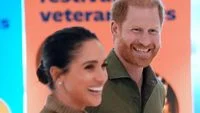
The return of the Duke and Duchess of Sussex to the United Kingdom, initially viewed as a potential step toward reconciliation or a quieter domestic life, has been overshadowed by mounting tensions over personal security protocols. Only weeks after establishing residency back in Britain, reports suggest that Prince Harry and Meghan Markle may be reconsidering their long-term stay in the country, citing significant dissatisfaction with the current protection arrangements provided for their family. Central to this uncertainty is the ongoing deliberation by the Royal and VIP Executive Committee (Ravec), whose forthcoming decision on police protection could prove to be the deciding factor in whether the Sussexes remain in the country or return to their estate in Montecito, California.
The Core of the Dispute: Ravec and State Protection
At the heart of the current standoff is the role of Ravec, the body tasked with overseeing the security of members of the Royal Family and high-profile public figures. Since the Duke and Duchess stepped back from their roles as senior working royals in early 2020, their automatic entitlement to taxpayer-funded police protection was revoked.
Prince Harry has maintained a consistent, vocal stance that his family remains at a high risk of targeted threats. He has argued that his status as a prince, his military background, and the intense public interest surrounding his family necessitate a level of protection that private security teams—no matter how elite—cannot legally provide in the United Kingdom. Specifically, private security personnel in Britain are restricted by law from carrying firearms and do not have the same jurisdictional authority or intelligence access as the Metropolitan Police or other state security forces.
The current review by Ravec is significant because it marks a shift in context. Unlike their previous, sporadic visits as visitors, the couple is now operating as permanent residents. This transition requires the committee to assess the daily risk profile of the family, including logistical realities such as the school run, grocery shopping, and other routine activities that Prince Archie and Princess Lilibet will encounter as they settle into their new lives in the UK.
A Chronology of Escalating Concerns
The security issues reached a breaking point in mid-September 2026, when the couple was forced to withdraw their children from a local public school after only two days of attendance. The decision, while sudden, was reportedly driven by pragmatic security assessments.
- September 1, 2026: The Duke and Duchess of Sussex officially settle into their new residence in the United Kingdom, transitioning from their previous life in the United States to attempt a more permanent base in Britain.
- September 14, 2026: Prince Archie and Princess Lilibet attend a local public school. However, their security team reports significant difficulty in maintaining a secure perimeter due to traffic congestion and the unpredictable nature of the commute.
- September 16, 2026: Representatives for the Sussexes confirm that the children have been withdrawn from the school, citing "practical aspects" of the current security arrangements.
- September 19, 2026: Media reports emerge suggesting that the couple is actively evaluating their future in the UK, with the outcome of the Ravec review in October serving as a definitive "make-or-break" moment.
The withdrawal of the children from school highlighted the gap between the couple’s expectation of protection and the reality of their current "private citizen" status. Even though advance security sweeps of the school grounds were conducted, the transit routes proved to be a vulnerability that the current private detail could not adequately mitigate.
The Legal and Financial Landscape of Protection
The debate over Harry’s security is not merely about physical safety; it is deeply rooted in a broader legal battle. Prince Harry has previously launched a judicial review against the Home Office, challenging the decision to deny him the ability to pay for his own police protection. His legal team has argued that the offer to pay for police guards—who have the necessary legal powers and access to intelligence—should be accepted, as it would effectively alleviate the burden on the British taxpayer.
However, the Home Office has historically resisted this, maintaining that the police force should not be "hired out" to private individuals, as it could set a dangerous precedent where the wealthy can purchase state-sanctioned protection. This impasse has left the Sussexes in a legal and logistical limbo.
Broader Implications and Public Sentiment
The potential departure of the Sussexes from the UK would carry significant political and social implications. If the couple chooses to return to California, it would likely be interpreted as a failure of the efforts to integrate the couple back into the UK fold. It would also further strain the already complex relationship between the Duke and the rest of the Royal Family.
From a policy perspective, the outcome of the Ravec review will set a precedent for how the British government treats "non-working" royals who are still part of the immediate family. If the committee grants enhanced security, it could be seen as an admission that the threat level against the couple is exceptionally high. Conversely, if protection is denied, it reinforces the government’s position that the Sussexes are essentially private individuals who must navigate security risks as any other high-net-worth family would.
Official Statements and Media Context
While no official statement has been released regarding a definitive return to the United States, spokespeople for the couple have been careful to express gratitude to the staff at the schools and the individuals assisting with their transition. In their statement regarding the school withdrawal, a representative noted that the couple remains "very grateful to all the teachers and staff for the kindness, care, and efforts they have shown to their family."
Analysts suggest that the silence from the Sussexes on their long-term plans is a strategic choice. By allowing the Ravec process to play out without public agitation, they are attempting to engage with the system as it currently exists. However, the window for such patience is closing. With the October decision date approaching, the couple is reportedly preparing for both scenarios: staying in the UK with a revised, government-approved security plan, or finalizing their permanent relocation back to the United States.
Analysis: The Cost of Security and Visibility
The challenge for the Sussexes is the unique intersection of their extreme public profile and their desire for a private, stable life for their children. In the modern era, threats against public figures are often exacerbated by digital surveillance and the rapid dissemination of information on social media. Even if the couple remains in a gated or highly secured property, the logistical requirements of daily life in a bustling nation like the UK present a persistent security challenge.
If the UK government is unable or unwilling to provide the level of protection that the Sussexes deem necessary, the couple faces a difficult choice: accept a higher level of personal risk in exchange for a life in Britain, or sacrifice their presence in the UK to ensure the security of their family in the more controlled environment of their California estate.
As of late September 2026, the situation remains fluid. Both supporters and critics of the couple are watching the Ravec committee’s deliberations closely. The outcome will not only impact the daily lives of Prince Harry and Meghan Markle but will also serve as a defining moment in the modern history of the British monarchy’s relationship with its members who have chosen to walk their own path. For the time being, the Sussexes remain in the UK, awaiting a decision that will dictate the next chapter of their lives.