Kacamata pintar berbasis kecerdasan buatan besutan Meta resmi dijual di Indonesia mulai 11 November 2026

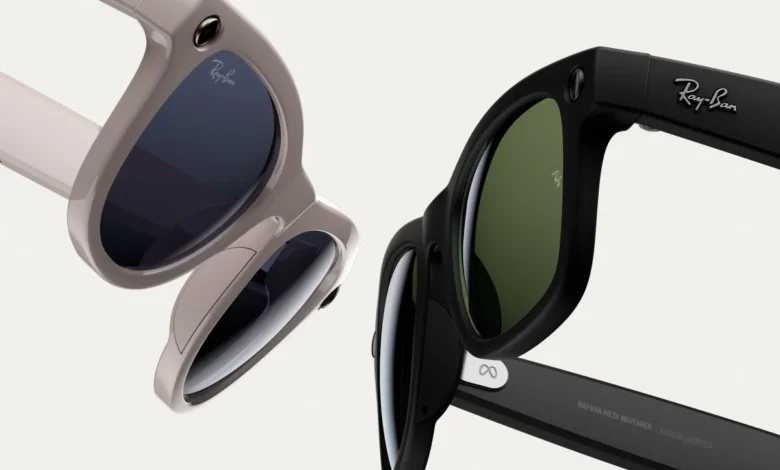
The landscape of wearable technology in Indonesia is poised for a significant shift as Meta, in a strategic partnership with EssilorLuxottica, officially brings its highly anticipated AI-powered smart glasses to the local market starting November 11, 2026. This launch represents a landmark moment for the Indonesian consumer electronics sector, bridging the gap between high-fashion eyewear and advanced artificial intelligence integration. By allowing users to capture high-resolution imagery, record immersive video, manage audio, and interface with an onboard AI assistant—all without the need to retrieve a smartphone—Meta is redefining the concept of hands-free digital interaction.
A Strategic Expansion into the Indonesian Market
The introduction of the Ray-Ban Meta and Oakley Meta collections into Indonesia is not merely a product release; it is a calculated expansion of Meta’s global hardware strategy. By leveraging the retail infrastructure of Optik Seis and established Ray-Ban and Oakley dealer networks, Meta aims to normalize the presence of AI-embedded wearables in daily life.
The Indonesian market, characterized by a tech-savvy youth demographic and a high adoption rate of mobile technology, serves as a critical testing ground for these devices. Industry analysts suggest that the local rollout is designed to cater to two distinct segments: the style-conscious urban user seeking the iconic aesthetic of Ray-Ban, and the performance-driven athlete looking for the technical durability of Oakley.
Technical Architecture and Hardware Capabilities
At the core of the Ray-Ban Meta Gen 3 and the Oakley Meta series lies a sophisticated hardware ecosystem. The devices are equipped with a 12-megapixel camera sensor capable of capturing 3K Ultra HD video, effectively turning the wearer’s eyes into a lens for spontaneous content creation. To ensure high-fidelity audio capture, the glasses utilize a six-microphone array, which is engineered to suppress ambient noise by over 90 percent—a crucial feature for urban environments.
The integration of Meta AI provides the "intelligence" behind the hardware. Users can trigger the assistant via voice commands to gain insights into their surroundings, such as identifying landmarks, translating foreign languages in real-time, or even asking for context-aware information about objects within their field of view. These features are supported by an internal battery life designed for nine hours of typical use, ensuring that the device remains functional throughout a standard workday.
Comprehensive Pricing and Model Differentiation
The entry price for this technology in Indonesia starts at Rp8,799,000 and extends up to Rp10,999,000, depending on the model and the complexity of the internal specifications. The local pricing structure is as follows:
- Oakley Meta HSTN: Rp8,799,000
- Ray-Ban Meta Gen 3: Rp8,999,000
- Ray-Ban Meta Optics Gen 2: Rp9,399,000
- Oakley Meta Vanguard: Rp10,999,000
These prices reflect the dual-nature of the product: a premium eyewear accessory combined with a sophisticated piece of computing hardware. The Ray-Ban line remains focused on lifestyle and fashion, offering various designs such as Wayfarer, Aviator, and Zena, while the Oakley line targets specific performance niches.
Specialized Functionality: Oakley Meta Vanguard
The Oakley Meta Vanguard represents the pinnacle of the performance series. Engineered for high-intensity activities such as cycling, long-distance running, and outdoor endurance sports, the Vanguard model incorporates IP67-certified protection against dust and water ingress. This makes it significantly more resilient than the standard Ray-Ban models.
Furthermore, the Vanguard model features deep integration with popular fitness ecosystems like Strava and Garmin. This allows athletes to view performance metrics and receive audio feedback during their workouts, effectively acting as a heads-up display for physical performance. The use of Oakley’s signature PRIZM lens technology ensures that the visual clarity matches the technical capability, providing high-contrast vision in varying outdoor light conditions.
The Smartphone Paradox: Complement vs. Replacement
A common misconception in the early discourse surrounding these smart glasses is the notion that they are intended to replace the smartphone. Meta’s official documentation and design philosophy clarify that these glasses are strictly a "companion" device.
The processing power required for complex tasks, the management of data storage, and the administrative controls for the AI assistant are still heavily reliant on the user’s smartphone. The glasses act as an input and output interface, streamlining the user experience by reducing the need to look down at a screen. In an era of increasing digital fatigue, this "hands-free" approach is marketed as a way to remain present in the physical world while maintaining access to digital information.
Chronology of Development and Global Context
The journey to the Indonesian market follows several years of development in Meta’s Reality Labs division. After the initial skepticism surrounding early smart glasses, Meta pivoted to focus on form factor—collaborating with EssilorLuxottica to ensure that the hardware did not look like "gadgetry."
- 2021: Meta launched the first generation of Ray-Ban Stories, which were limited in their AI capabilities but established the design partnership.
- 2023: The global release of the Ray-Ban Meta Gen 2 introduced significantly better cameras and the first iterations of the multimodal Meta AI.
- 2024–2025: Meta expanded its AI capabilities to include real-time multimodal processing, allowing the glasses to "see" and "hear" with much higher contextual accuracy.
- November 2026: The formal launch in Indonesia signifies the maturity of the product line, moving from an experimental category to a consumer-ready retail staple.
Privacy Concerns and Regulatory Challenges
The launch of AI-equipped glasses is not without controversy. Globally, the integration of cameras into everyday eyewear has raised questions regarding public privacy. In Italy, for instance, Meta recently faced significant regulatory scrutiny and fines regarding the handling of user data and the access protocols for photo galleries.
While the devices sold in Indonesia come with physical light indicators that signal when the camera is recording, the legal and social implications of persistent recording in public spaces remain a topic of debate. Meta has stated that it adheres to strict data privacy protocols, ensuring that captured data is encrypted and that users have full control over their content. However, as these devices become more common in Indonesia, local regulators and consumer advocacy groups are expected to monitor the impact on privacy and public data protection standards.
Broader Implications for the Wearable Tech Industry
The move by Meta has sparked a "race to the face" among major technology firms. Reports indicate that companies like Apple are actively evaluating the feasibility of their own smart eyewear, suggesting that the industry is shifting away from bulky VR/AR headsets toward lightweight, socially acceptable glasses.
For the Indonesian market, this launch sets a benchmark for what consumers should expect from future wearables. The integration of AI into daily hardware, combined with the professional design of heritage eyewear brands, creates a new category that could eventually displace traditional accessories.
Future Outlook and User Considerations
As consumers consider the investment of Rp8 million to Rp11 million, they must weigh the specific benefits of the hardware against their personal lifestyle. For a creative professional or a social media content creator, the ability to capture life from a first-person perspective is invaluable. For the endurance athlete, the integration with performance apps provides a tangible, real-time advantage.
However, prospective buyers should remain aware that the utility of these glasses is tied to software updates and regional service availability. Certain AI features may experience limitations based on language support or local cloud infrastructure requirements. Furthermore, as a first-generation mass-market adoption for the region, the long-term maintenance and accessory ecosystem will depend on the strength of the partnership between Meta, EssilorLuxottica, and local retailers like Optik Seis.
Ultimately, the arrival of Meta’s smart glasses in Indonesia is a clear signal that the future of computing is moving off the screen and onto the wearer. By blending the classic appeal of Ray-Ban and the tactical design of Oakley with cutting-edge artificial intelligence, Meta is attempting to normalize a future where digital assistance is always in sight. Whether the Indonesian public adopts this technology as a daily necessity or views it as a niche luxury will be determined in the months following this historic launch.