Understanding the 2026 Wage Subsidy Assistance Program BSU Criteria and Distribution Guidelines for Indonesian Workers

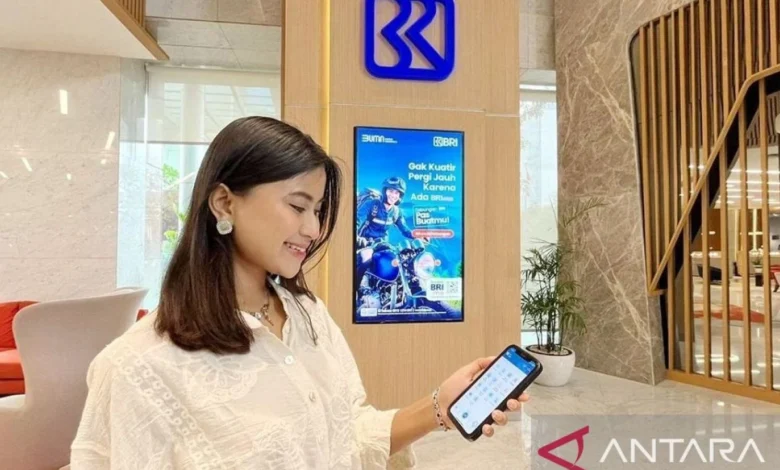
The Indonesian government has officially announced the implementation of the 2026 Wage Subsidy Assistance (Bantuan Subsidi Upah or BSU) program, a strategic social safety net initiative designed to bolster the purchasing power of formal sector employees amidst fluctuating economic conditions. Under the provisions of Ministry of Manpower (Permenaker) Regulation Number 16 of 2026, eligible workers are set to receive a total assistance package of Rp900,000. This disbursement is structured as a cumulative payment representing a monthly subsidy of Rp300,000 for the final quarter of the year, spanning October, November, and December 2026. The government, through the Ministry of Manpower, has emphasized that while the program is a vital lifeline for many, strict administrative verification processes remain in place to ensure fiscal responsibility and target accuracy.
Context and Economic Background
The BSU program has historically served as a critical fiscal intervention, particularly following the post-pandemic recovery era. By targeting workers with monthly wages of Rp3.5 million or less—or those earning up to the regional minimum wage (UMR) in regions where the UMR exceeds this threshold—the government aims to mitigate the impact of inflationary pressures on the labor force. The 2026 iteration of this program represents a continuation of the government’s commitment to protecting domestic consumption. Economic analysts note that such subsidies play a dual role: providing immediate liquidity to households for essential expenditures while sustaining aggregate demand within the national economy.
Eligibility Criteria and Regulatory Requirements
Accessing the BSU is not an automatic entitlement based solely on employment status. To ensure the subsidy reaches the intended demographic, the Ministry of Manpower has codified five primary eligibility criteria. First, the applicant must be a citizen of the Republic of Indonesia possessing a valid National Identity Number (NIK). Second, the individual must be a registered, active participant in the BPJS Ketenagakerjaan (Social Security Agency for Employment) system as a formal sector worker (Penerima Upah) as of August 2026.
Third, the wage threshold remains a critical filter, set at a maximum of Rp3.5 million per month. Fourth, the government prioritizes applicants who are not recipients of other major social assistance programs, specifically the Family Hope Program (PKH), to avoid duplication of government aid. Finally, the program strictly excludes members of the state apparatus, including Civil Servants (ASN), military personnel (TNI), and police officers (Polri).
A significant responsibility lies with employers, who must ensure that the payroll data and BPJS Ketenagakerjaan records are accurate and up-to-date. Discrepancies in administrative reporting, such as outdated wage information or inactive account statuses, remain the primary reasons for failed disbursements in previous years.
The Chronology of Distribution
The distribution phase is slated for November through December 2026. Unlike automated payments, the distribution of BSU is a phased process contingent upon the verification of data by the Ministry of Manpower and the BPJS Ketenagakerjaan.
- Verification Phase: Data is cross-referenced between the Ministry of Manpower’s database and the employment social security agency.
- Bank Reconciliation: The Ministry coordinates with Himbara banks (BRI, BNI, Mandiri, BTN) and Bank Syariah Indonesia (BSI) to validate account holder information.
- Disbursement Window: Funds are released into verified accounts in batches.
- Alternative Channel: For workers without accounts in the aforementioned banks, the government has designated PT Pos Indonesia as the secondary distribution channel, ensuring that even workers in remote areas can access the funds.
It is vital for beneficiaries to understand that "eligible" does not imply "immediate." The sheer scale of the Indonesian workforce necessitates a staggered distribution timeline. Consequently, workers should monitor official announcements from the Ministry of Manpower rather than relying on unverified social media timelines.
Navigating the Disbursement Process
For those confirmed as recipients, the process involves a disciplined approach to banking services. Once the government confirms the status of the beneficiary on the official portal (bsu.kemnaker.go.id), the funds will be credited to the registered bank account.
Recipients are encouraged to utilize mobile banking or ATM facilities for initial balance checks. In instances where technical difficulties arise, visiting a branch office of the respective bank is recommended. When visiting a teller, beneficiaries must bring their KTP (national ID), the ATM card, and their bank book. It is important to note that a bank teller cannot expedite the arrival of funds if the Ministry has not yet authorized the transaction for that specific account.
Risks of Fraud and Cybersecurity Awareness
The high demand for BSU, combined with the complexities of the digital application process, has unfortunately created a landscape ripe for cybercrime. The Ministry of Manpower has issued several warnings regarding the proliferation of phishing sites and fraudulent WhatsApp messages promising "instant" disbursement in exchange for administrative fees.
Beneficiaries should adhere to the following security protocols:
- Official Channels Only: Only trust information originating from
kemnaker.go.idor verified government press releases. - No Administrative Fees: The BSU program is entirely free. Any request for "processing fees" or "registration costs" is a definitive indicator of fraud.
- Protect Sensitive Data: Never share OTP codes, PINs, or personal bank credentials with individuals claiming to be government officials.
- Ignore Unsolicited Links: Do not click on shortened URLs or attachments sent via SMS or messaging apps that claim to provide "direct access" to BSU funds.
Broader Economic Implications
The allocation of the 2026 BSU is a calculated measure to maintain industrial harmony and economic stability. By alleviating the financial burden on the low-to-middle-income workforce, the government hopes to prevent a drop in domestic consumption, which is a major driver of Indonesia’s GDP.
However, the efficacy of this program is also a subject of ongoing policy evaluation. Economists have suggested that while direct cash transfers are effective in the short term, they must be paired with long-term structural adjustments to wage policies and inflation control to create sustainable prosperity for the working class. The Ministry of Manpower’s focus on administrative transparency in 2026 is an attempt to address previous criticisms regarding the speed and targeting accuracy of the program.
Official Stance and Future Outlook
As of the latest briefings, the Ministry of Manpower continues to process the administrative requirements at the Ministry of Finance. Minister of Manpower officials have consistently urged the public to exercise patience as the verification of data remains the most time-consuming but essential step in the process.
The integration of digital verification tools, such as the use of NIK-based portals, marks a significant improvement in the government’s ability to manage social safety nets compared to the pre-digital era. By centralizing the data, the government reduces the risk of "leakage"—where funds might otherwise be distributed to ineligible participants.
In conclusion, the 2026 BSU program represents a structured, data-driven approach to social welfare. Workers are urged to remain proactive in checking their status through official channels, maintain the security of their personal banking information, and wait for official notifications regarding the start of their specific distribution phase. By adhering to the guidelines set forth in Permenaker No. 16/2026, eligible employees can ensure they receive the support they are entitled to without falling victim to the increasingly sophisticated methods of digital fraudsters. As the end of the year approaches, the Ministry of Manpower maintains that the commitment to supporting the Indonesian workforce remains a top priority, with further updates to be released as the administrative processing reaches its final stages.
Related posts: