Menelusuri Akar Sejarah dan Transformasi Hari Olahraga Nasional Menuju Budaya Hidup Sehat di Indonesia

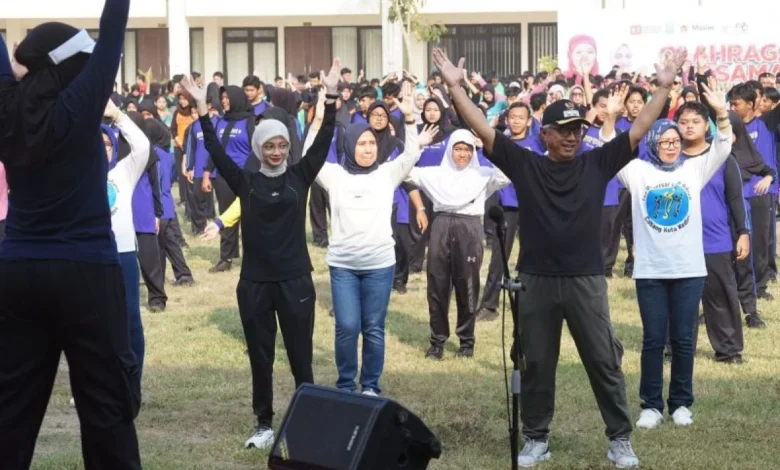
September 9 marks a pivotal date in the Indonesian calendar as the nation observes the National Sports Day, known locally as Hari Olahraga Nasional (Haornas). While the day serves as a celebratory occasion for athletic achievements, its roots are deeply embedded in the nation’s struggle for sovereignty and the quest for international recognition. Beyond the commemorative ceremonies and gala events, Haornas serves as a strategic annual reminder of the role physical activity plays in building national character, public health, and social cohesion. As Indonesia celebrates the 43rd anniversary of the official declaration in 2026, the occasion prompts a reflection on the evolution of the national sports landscape from its humble, post-revolutionary origins to a modern, multifaceted sector that intersects with tourism, economy, and public wellness.
The Genesis: From Diplomatic Hurdles to the Solo Games
The origins of Haornas are inextricably linked to the inaugural Pekan Olahraga Nasional (PON), held in Solo, Central Java, from September 9 to 12, 1948. This historic event did not emerge from a period of stability, but rather from a crucible of geopolitical tension. Following its independence declaration in 1945, Indonesia faced significant challenges in gaining formal recognition from the international community.
The catalyst for the first PON was, paradoxically, a setback in the realm of international sports diplomacy. In 1948, Indonesia sought to send a delegation to the XIV Olympic Games in London. However, due to the lack of widespread international recognition of its sovereignty, the Indonesian contingent faced insurmountable administrative hurdles, including issues regarding national identity and representation. Denied the opportunity to fly the Red and White flag on the global stage in London, the nascent Indonesian government—led by visionaries who understood the power of sports as a symbol of statehood—decided to organize its own national-scale competition.
The choice of Solo as the host city was symbolic. It was a center of cultural resilience and served as a fitting backdrop to demonstrate that, despite the ongoing struggles against colonial forces, the Indonesian people possessed the organizational capacity and national spirit to host a large-scale event. The opening date of that first PON, September 9, 1948, would eventually be codified as the foundational date for the annual commemoration of the nation’s sports identity.
Institutionalization and the 1983 Mandate
While the first PON provided the spirit of the commemoration, the formal establishment of the National Sports Day as an annual government-sanctioned event did not occur until the 1980s. On September 9, 1983, President Soeharto formally inaugurated the renovated Sriwedari Stadium in Surakarta. During this landmark event, the President officially declared September 9 as Hari Olahraga Nasional.
This move was more than a ceremonial gesture; it was part of a broader government policy to centralize sports development and institutionalize physical fitness as a national priority. The declaration was later codified through Presidential Decree (Keppres) Number 67 of 1985. This legal framework provided the necessary foundation for the state to allocate resources, manage infrastructure development, and oversee the systematic training of athletes. It transformed sports from a sporadic local activity into a pillar of national policy aimed at creating a disciplined, healthy, and competitive citizenry.
Chronology of the National Sports Movement
To understand the trajectory of Indonesian sports, one must look at the timeline of its key milestones:
- 1948: The inaugural Pekan Olahraga Nasional (PON) takes place in Solo, asserting Indonesia’s identity as an independent nation.
- 1983: President Soeharto officially declares September 9 as Hari Olahraga Nasional during the inauguration of the Sriwedari Stadium.
- 1985: Issuance of Presidential Decree No. 67/1985, legally cementing the status of Haornas.
- 2000s–2010s: The shift toward professionalization and the integration of sports into the tourism sector, marked by the rise of "sport tourism" initiatives.
- 2026: The 43rd anniversary of the official Haornas declaration, focusing on the intersection of sports with technological advancement, economic growth, and public health awareness.
The Broader Impact: Beyond Medals and Podium Finishes
In contemporary discourse, the Ministry of Youth and Sports (Kemenpora) emphasizes that Haornas is not merely about athletic success or the accumulation of medals. While elite athletes remain national heroes, the true essence of the movement lies in the "cultivation of sports" (pembudayaan olahraga) among the general population.
Modern challenges, such as the rising prevalence of sedentary lifestyles and non-communicable diseases, have pushed the government to redefine the goals of Haornas. The 2025 and 2026 guidelines issued by Kemenpora highlight sports as a medium for character building, stress management, and the fostering of national unity. In a diverse nation like Indonesia, sports serve as a neutral ground where regional, ethnic, and social differences are transcended in favor of a collective national objective.
Furthermore, the economic implications of sports have become a focal point of recent policy. The concept of "sport tourism"—where sporting events act as magnets for local and international visitors—has been integrated into development strategies. For instance, the planning for PON 2028 is already being used to leverage the potential of regions like East Sumba, positioning them as an "etalase" or showcase for sport-based tourism. This strategy aims to generate local revenue, improve infrastructure, and create jobs, effectively turning sports into a sustainable economic driver.
Challenges and Future Outlook
Despite the progress, the sector faces significant hurdles. Recent discussions within the Kemenpora underscore the need for massive financial investment to remain competitive on the international stage. Specifically, the ministry has highlighted the necessity of a substantial budget—approximately IDR 1.5 trillion—to construct modern academies and centralized training facilities. These centers are deemed essential to move away from the traditional, fragmented approach to athlete development and toward a more scientific, data-driven system.
The proliferation of regional events, such as the upcoming "Beach PON" in Ancol, further demonstrates the government’s effort to diversify the types of sports available to the public. By expanding the variety of disciplines, the government hopes to attract a wider demographic, encouraging youth participation and identifying talent from a broader base.
Analysis: The Integration of Sports into Daily Life
The evolution of Haornas reflects the broader evolution of the Indonesian state. In 1948, the focus was on existential survival and the assertion of national identity. Today, the focus has shifted toward the quality of life of the individual citizen and the economic viability of the sports industry.
The implication of this shift is profound. By transforming sports from a competitive elite domain into a public health and economic initiative, the government is attempting to build a more resilient society. The call to action for the 2026 commemoration—encouraging citizens to exercise regularly, support local athletes, and integrate physical activity into family life—is a strategic move to address public health outcomes.
Moreover, the emphasis on infrastructure, such as the potential for new national training centers, suggests a long-term commitment to professionalization. If successful, this could see Indonesia rise in the global sporting rankings while simultaneously reducing the national burden of lifestyle-related diseases.
Conclusion: A Legacy of Resilience
As Indonesia celebrates its 43rd National Sports Day, the event remains a vital bridge between the country’s revolutionary past and its modern aspirations. The journey from the modest fields of 1948 Solo to the sophisticated, multi-billion-rupiah sporting ecosystem of 2026 is a testament to the nation’s enduring commitment to progress.
The legacy of September 9 is no longer just about the history of the first PON; it is about the ongoing effort to ensure that every Indonesian has access to the benefits of sports. Whether through professional competition or local recreational activity, the spirit of Haornas continues to drive the nation forward, fostering a culture where health, discipline, and national pride are inextricably linked. As the nation looks toward the future, the lessons of the past serve as a clear directive: sports are a fundamental component of the national identity and a key instrument for building a stronger, healthier, and more unified Indonesia.
Related posts: