Family of Missing Child in KM Nurul Salsa Tragedy Files Police Report, Prompting Expanded Investigation into Suspected Deliberate Engine Shutdown

Makassar, CNN Indonesia – The tragic sinking of the KM Nurul Salsa in the waters of Kepulauan Selayar Regency, South Sulawesi, has taken a new turn as one of the victim’s families formally lodged a complaint with the police, escalating the investigation into the catastrophic incident. Andi Eka Gunarti, the distraught mother of eight-year-old Naurah, who remains missing along with her grandfather Umar following the vessel’s demise, filed the report with the Kepulauan Selayar Resort Police (Polres Kepulauan Selayar). This action signals a determined quest for accountability and justice, driven by the family’s profound grief and suspicions surrounding the events that led to the sinking.
A Family’s Plea for Justice Amidst Lingering Questions
Hasrul, Naurah’s uncle and a spokesperson for the grieving family, articulated their decision to pursue legal avenues. "After consulting with legal experts, we decided to report this tragedy to the Kepulauan Selayar Resort Police as a form of our objection and to seek a thorough investigation," Hasrul conveyed to journalists on Wednesday, July 22. This decision was not made lightly but came after extensive deliberation and consultation within the extended family, united in their sorrow and unanswered questions regarding the fate of the KM Nurul Salsa and their missing loved ones. The family’s primary concern revolves around the information they received suggesting that the ship’s engine was intentionally shut down due to overheating, a critical allegation that could significantly alter the course of the investigation from a mere accident to potential negligence or even criminal culpability. "The information the family received suggests that the ship’s engine was deliberately turned off because it was overheating. That’s why we are asking the police to investigate everything thoroughly," Hasrul emphasized, highlighting the gravity of their suspicions.
Chronology of a Maritime Disaster
The ill-fated voyage of the KM Nurul Salsa began on Wednesday, July 15, departing from Jampea Island at approximately 05:00 WITA (Central Indonesia Time). Its destination was Benteng Port on Selayar Island, a routine inter-island journey in the vast Indonesian archipelago. However, the voyage was tragically cut short when, approximately 43 nautical miles from Benteng Port, the vessel reportedly experienced engine failure. This mechanical breakdown left the KM Nurul Salsa adrift and at the mercy of the elements. For hours, the ship was buffeted by strong winds and high waves, a perilous situation that ultimately led to its capsizing and subsequent sinking later that Wednesday night.
Initial reports from the ship’s manifest indicated around 46 individuals on board. However, a meticulous verification process conducted by a joint Basarnas (National Search and Rescue Agency) team revealed a more alarming figure: 78 people, including 8 crew members, were actually on the vessel. Beyond its human cargo, the KM Nurul Salsa was also heavily laden with approximately 17 tons of basic necessities (sembako) and four motorcycles, raising immediate concerns about potential overloading, a common contributing factor to maritime accidents in the region. This discrepancy between the manifest and the actual number of passengers and cargo underscores a broader issue of lax enforcement of maritime safety regulations and reporting protocols, often observed in inter-island transport in Indonesia.
The Official Response: Police Investigation Underway
Responding to the family’s report, Aipda Suardi Andre, the Head of Public Relations Sub-section (Kasubsi Penmas) at Polres Kepulauan Selayar, confirmed receipt of the complaint. He acknowledged the legitimacy of the family’s actions, stating, "The report has been received. Essentially, the family’s report is reasonable and commendable, as a response to the loss of family members from this tragedy." This statement reflects the police’s understanding of the emotional distress and the right of victims’ families to seek answers and justice.
Importantly, Suardi Andre clarified that the police investigation into the KM Nurul Salsa incident did not begin with the family’s report. "Before the family reported, we had already initiated legal mechanisms and conducted an investigation," he explained. This proactive approach indicates the seriousness with which authorities are treating the disaster. As part of this ongoing investigation, more than 20 witnesses have already been interviewed. These witnesses include crucial figures such as the ship’s captain, members of the crew (ABK), survivors of the tragedy, and other relevant parties who might possess vital information about the vessel’s condition, the events leading to the engine failure, and the subsequent sinking.
Looking ahead, Suardi Andre revealed that the investigative team from Satreskrim Polres Selayar (Criminal Investigation Unit of Kepulauan Selayar Resort Police) is preparing for a "gelar perkara" – a case presentation or review meeting – in the near future. This critical procedural step will involve presenting all gathered evidence and witness testimonies to senior investigators and prosecutors. The purpose of this meeting is to determine whether the case has sufficient grounds to be escalated to a formal investigation phase, potentially leading to the identification and naming of suspects. "God willing, in the near future, we will hold a case presentation to determine whether we can elevate the case to an investigation and identify suspects," he stated, signaling a potential shift towards criminal proceedings.
Extensive Search and Rescue Operations Continue
Parallel to the police investigation, the National Search and Rescue Agency (Basarnas) has been tirelessly working to locate the remaining missing passengers. The KM Nurul Salsa sank in the waters west of Polassi Island, Selayar Regency, on the afternoon of Wednesday, June 15, after experiencing engine failure around 10:00 WITA that day. The vessel drifted for hours before eventually capsizing and sinking by Wednesday night.
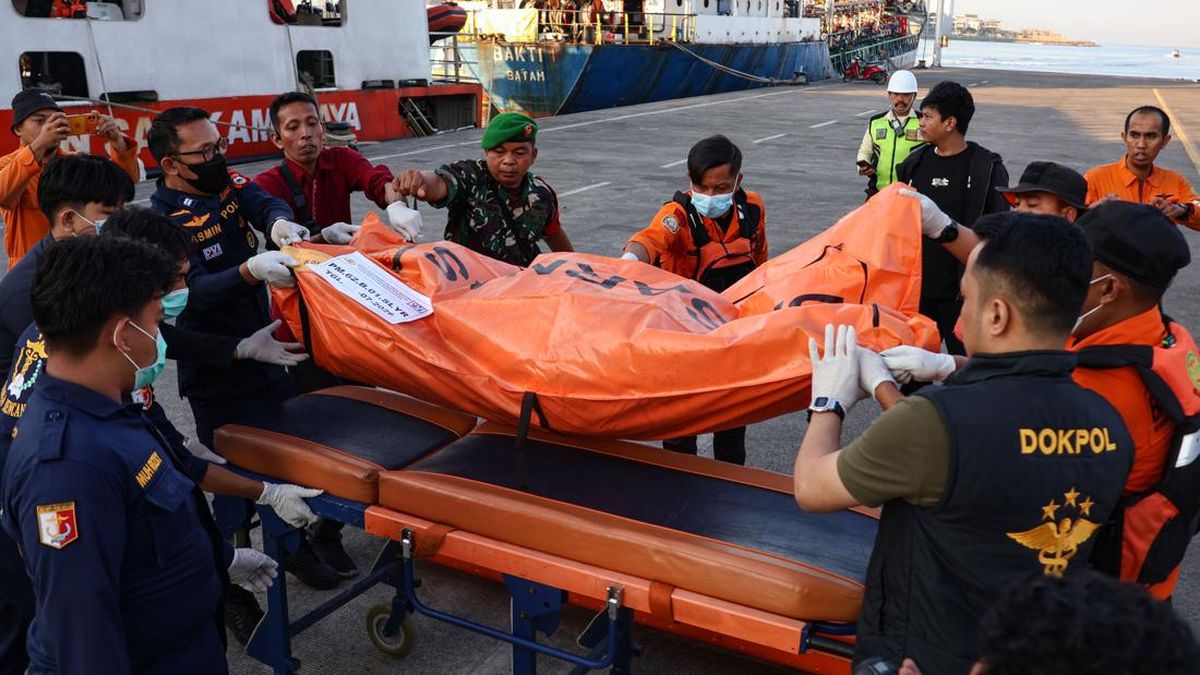
After an initial week-long search operation, Basarnas made the decision to extend the SAR efforts for an additional three days. This crucial decision, announced on Tuesday, July 21, by the Director of Operations Basarnas, Laksamana TNI Yudhi Bramantyo, came after comprehensive coordination with local government officials and elements of the Regional Leadership Communication Forum (Forkopimda). The extension was necessitated by the fact that 16 passengers remained unaccounted for, leaving families in agonizing uncertainty.
On Wednesday, July 22, the eighth day of the operation, the joint SAR team intensified its search, strategically focusing its efforts on the vast area stretching from the Sabalana Islands to the waters of West Nusa Tenggara (NTB). This expanded search radius was not arbitrary; it was based on meticulous analysis of ocean currents. "Based on the analysis of sea current data that we use as an operational reference, there is potential for objects to drift towards the waters of West Nusa Tenggara," explained Andi Sultan, Head of Operations and Alert for Basarnas Makassar. This scientific approach aims to optimize the chances of locating the missing individuals.
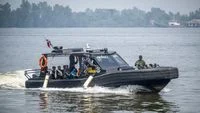
The search operation on the eighth day was divided into two distinct sectors to maximize coverage. The first Search and Rescue Unit (SRU), utilizing the KN SAR Pacitan vessel along with a Rigid Inflatable Boat (RIB), meticulously combed the eastern part of the Sabalana Islands, paying particular attention to uninhabited islands where survivors or debris might have washed ashore. Concurrently, the second SRU, comprising the KLM Mattoangin, conducted its sweep across the western part of the Sabalana Islands.
Despite their relentless efforts, the SAR teams continue to face formidable challenges. Andi Sultan highlighted that adverse weather conditions remain a significant hurdle. "High waves around the Sabalana Islands mean that the movement of personnel and equipment must be done more carefully, without reducing the intensity of the search," he stated. This delicate balance between safety and urgency underscores the perilous nature of their mission.
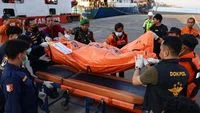
As of the eighth day of the operation, out of the verified 78 individuals on board the KM Nurul Salsa, a total of 59 people have been successfully rescued and found alive. Tragically, 3 individuals have been confirmed deceased. However, 16 individuals remain missing, their families clinging to hope amidst dwindling probabilities. A further complication has arisen with one unidentified body found. Andi Sultan confirmed that the identity of this individual has not yet been definitively linked to the KM Nurul Salsa passengers. "One body has yet to be confirmed whether it is one of the passengers of KM Nurul Salsa; we are still waiting for information from the DVI team," he elaborated, referring to the Disaster Victim Identification team, which plays a crucial role in identifying victims through forensic analysis.
Broader Context: Maritime Safety in Indonesia
The sinking of KM Nurul Salsa is not an isolated incident but rather highlights persistent challenges in maritime safety within Indonesia, an archipelagic nation heavily reliant on sea transportation for both passengers and goods. With over 17,000 islands, ferries and traditional wooden vessels like the KM Nurul Salsa are lifelines for many remote communities. However, this reliance often comes with significant risks. Common contributing factors to maritime accidents in Indonesia include:
- Overloading: As potentially seen with KM Nurul Salsa, vessels often carry passengers and cargo far exceeding their official capacity to maximize profits, especially during peak seasons or in remote areas with less oversight.
- Poor Maintenance: Many older vessels operate with inadequate maintenance, leading to engine failures, structural weaknesses, and faulty safety equipment.
- Outdated Vessels: A significant portion of the inter-island fleet consists of aging boats that do not meet modern safety standards.
- Human Error: This can range from inexperienced captains and crew to negligence in adhering to safety protocols, improper navigation, or poor decision-making during emergencies.
- Adverse Weather Conditions: The unpredictable nature of Indonesia’s tropical weather, with sudden storms and high waves, frequently catches vessels unprepared or venturing out despite warnings.
- Lack of Regulatory Enforcement: While regulations exist, their enforcement can be inconsistent, particularly in remote areas, leading to a culture of non-compliance among operators.
Past tragedies, such as the sinking of KM Sinar Bangun in Lake Toba in 2018 or KM Lestari Maju off Selayar in the same year, have repeatedly brought these issues to the forefront, prompting calls for stricter oversight and improved safety measures. The discrepancy between official manifests and actual passenger numbers, as observed in the KM Nurul Salsa case, is a recurring problem that impedes effective search and rescue operations and complicates victim identification.
Implications and Future Outlook
The family’s police report and the ongoing investigation carry significant implications. If the family’s suspicions of deliberate engine shutdown due to overheating are substantiated, it could lead to charges of negligence or even more severe criminal offenses against the captain, crew, and potentially the ship owner. Such findings would not only bring justice to the victims’ families but also send a strong message to other maritime operators about the severe consequences of disregarding safety protocols.
This incident is likely to intensify calls for:
- Stricter Regulatory Enforcement: Renewed pressure on the Ministry of Transportation and maritime authorities to rigorously enforce vessel maintenance standards, passenger limits, and manifest accuracy.
- Enhanced Surveillance and Reporting: Improved systems for tracking vessels and ensuring real-time reporting of passenger and cargo data, especially for inter-island routes.
- Crew Training and Certification: Mandating more comprehensive training and certification for captains and crew members, focusing on emergency procedures and mechanical troubleshooting.
- Public Awareness Campaigns: Educating passengers about their rights and the importance of adhering to safety instructions and reporting overcrowded vessels.
The tragedy of the KM Nurul Salsa serves as a stark reminder of the inherent risks of sea travel in Indonesia and the critical need for unwavering commitment to maritime safety. For the families of Naurah and other missing individuals, the police investigation represents a crucial step towards understanding what truly transpired and holding those responsible accountable, offering a glimmer of hope for closure amidst their profound loss. The outcome of the gelar perkara will be keenly watched, as it will determine whether this disaster, like many before it, will lead to meaningful reforms in Indonesia’s vital but often perilous maritime sector.