Benidictus Siregar Delivers a Heartfelt Message Through Seporsi Mie Ayam Sebelum Mati Reminding Audiences That Life Still Holds Simple Joys


The Indonesian film industry continues to expand its repertoire by transforming popular literary works into compelling cinematic experiences, a trend most recently exemplified by the adaptation of Brian Khrisna’s bestselling novel, Seporsi Mie Ayam Sebelum Mati. During a press screening and media gathering held at XXI Epicentrum in Jakarta Selatan on Monday, November 9, 2026, actor Benidictus Siregar shared profound reflections regarding his lead role as Ale. Amid discussions surrounding heavy themes such as depression, social isolation, and existential crisis, Siregar emphasized a message of resilience, urging individuals navigating difficult chapters in their lives to find solace in life’s smallest pleasures, famously epitomized by a simple yet comforting bowl of chicken noodles.
Main Facts of the Production and Release
Directed by renowned filmmaker Kuntz Agus, Seporsi Mie Ayam Sebelum Mati tackles sensitive mental health themes through the journey of Ale, an overwhelmed worker struggling with severe depression who decides to seek out his favorite bowl of chicken noodles before ending his life. Instead of marking an end, this final culinary quest introduces Ale to a diverse array of individuals who ultimately alter his perspective on human connection and survival.
The feature film boasts an ensemble cast of celebrated Indonesian actors, including Benidictus Siregar, Teuku Rifnu Wikana, Tika Panggabean, Fajar Nugra, Zulfa Maharani, and Chicco Kurniawan. Following an extensive promotional campaign and early press screenings, the film is officially slated for a nationwide theatrical release across Indonesian cinemas on November 12, 2026. The project has already generated significant buzz across literary and cinematic communities, bridging the gap between Brian Khrisna’s dedicated readership and mainstream moviegoers.
Deep Dive into Character Immersion and Personal Parallels
Stepping into the shoes of a character grappling with profound despair required significant emotional depth and introspection from Benidictus Siregar. During the press conference, the actor confessed that playing Ale struck a deeply personal chord, as he recognized several similarities between his own past struggles and the character’s trajectory, particularly the early hurdles of navigating social circles and forming meaningful friendships.
"Actually, there are many similarities with the figure of Ale," Siregar stated during the media session. "Back then, I also experienced difficulties in making friends, though the ways we face these challenges differ. But the most important lesson I learned from Ale and his journey is that as human beings, it is not our place to guarantee our future, nor is it within our capacity to determine exactly how our lives will turn out."
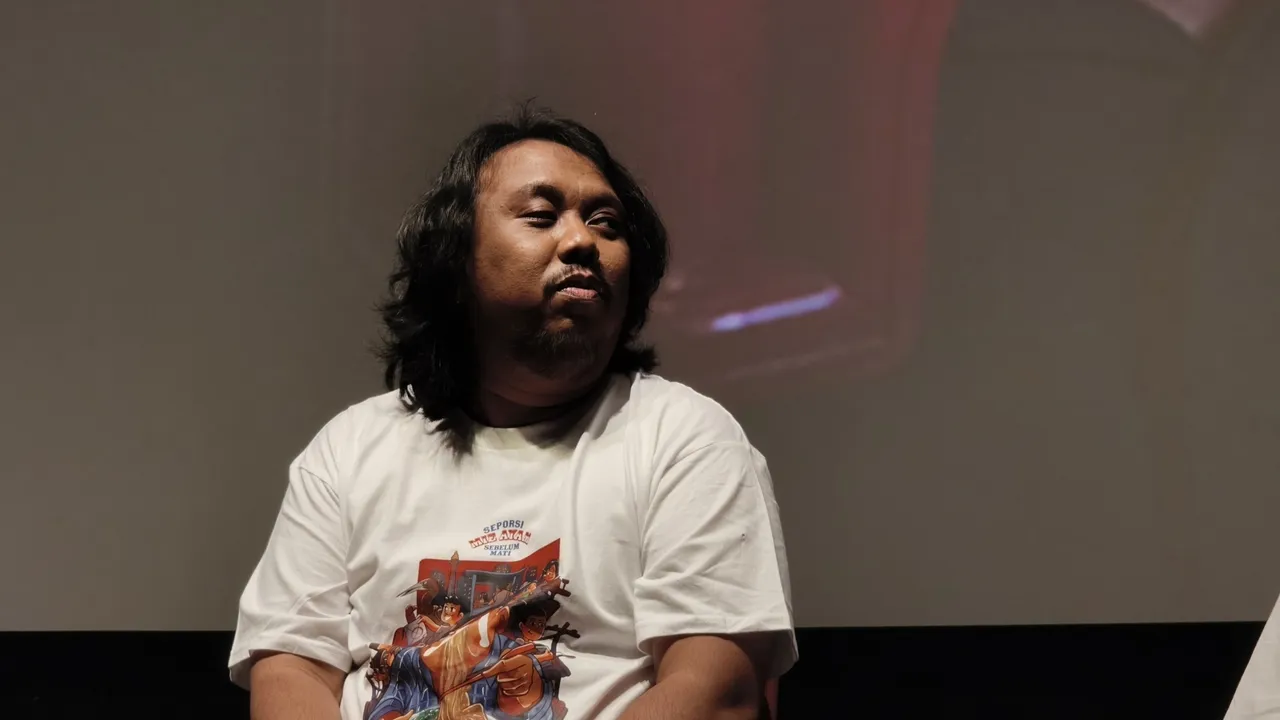
Siregar elaborated that confronting these heavy themes allowed him to appreciate the unpredictability of human existence. Rather than succumbing to the pressure of mapping out every facet of the future, he learned to accept the present moment and value the unpredictability of interpersonal relationships. His portrayal serves as a mirror for contemporary urban youth who often experience isolation in fast-paced metropolitan environments like Jakarta.
The Value of Human Connection and Persistence
Expanding upon the thematic resonance of the movie, Siregar highlighted the importance of perseverance when faced with rejection or loneliness. Drawing a parallel to the film’s musical motifs, he encouraged audience members who feel disconnected from their peers to keep trying, noting that failing to find the right environment immediately does not preclude future belonging.
"So it fits the song very well—what we can do is just try again," Siregar explained. "Perhaps if we feel today that we still do not have friends, just try again. Maybe you simply haven’t met the right people yet. And I feel that I have come to appreciate encounters with people much more when seeing Ale’s journey, because it turns out there is nothing more beautiful than human interaction."
This sentiment underscores the overarching thesis of Seporsi Mie Ayam Sebelum Mati: that healing rarely occurs in isolation, but rather through unexpected dialogues, shared meals, and fleeting moments of human empathy. The production environment itself mirrored this theme, as Siregar noted that his daily interactions with fellow cast members—such as Teuku Rifnu Wikana, Zulfa Maharani, and Chicco Kurniawan—provided genuine enthusiasm and comfort during the demanding shooting schedule.
Finding Hope in Simplicity: The Metaphor of the Bowl of Chicken Noodles
Perhaps the most poignant takeaway from Siregar’s statements is the call to appreciate the micro-moments of daily life rather than relentlessly pursuing grand, elusive milestones. In an era dominated by societal pressures regarding career success, financial stability, and social status, the actor reminded the public that personal salvation and daily motivation often stem from the most mundane sources.
"Try again, don’t give up. Out there, there are still many good people," Siregar urged. "And chicken noodles, of course, chicken noodles are still delicious. Chicken noodles are still delicious. Do not just focus on big things. I think what saves us, or what gives us the enthusiasm to face tomorrow, are simple things."
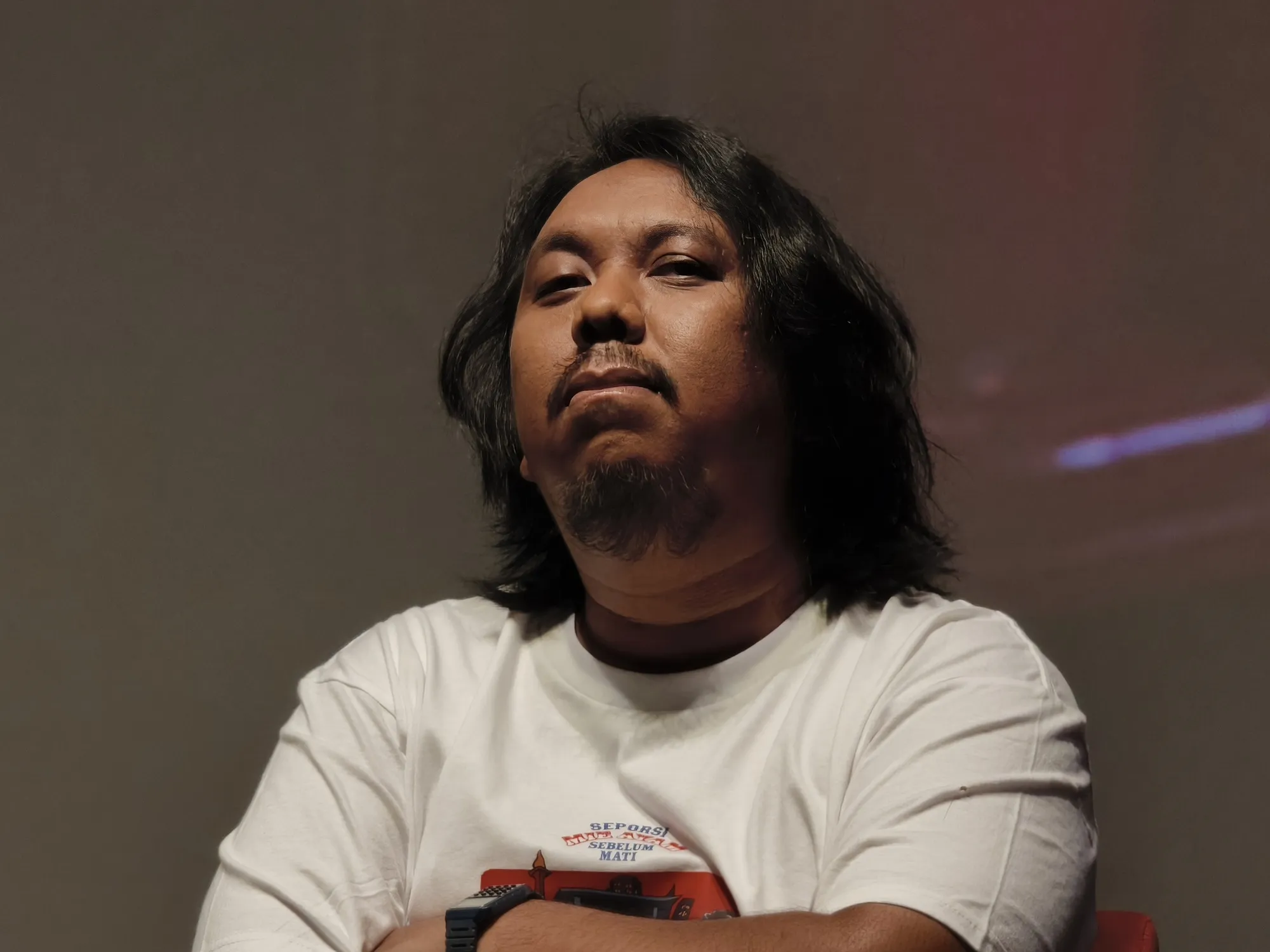
This grounded philosophy elevates the film from a standard drama into a relatable commentary on mental health and everyday survival. By framing a simple bowl of noodles as a catalyst for endurance, the narrative democratizes hope, suggesting that one does not need a grandiose reason to keep living—sometimes, a comforting meal and the promise of a new day are enough.
Literary Origins and Adaptation Background
The cinematic journey of Seporsi Mie Ayam Sebelum Mati originates from the literary success of Brian Khrisna, a prominent Indonesian author known for exploring emotional depth, urban loneliness, and existential philosophy within his works. Khrisna’s novels have consistently resonated with younger demographics, striking a chord with readers navigating the complexities of modern adulthood.
Adapting a novel that addresses suicide and depression requires careful narrative balancing to ensure the subject matter is handled with both theatrical engagement and psychological sensitivity. Director Kuntz Agus, known for his keen eye for character-driven storytelling, collaborated closely with the production team to translate Khrisna’s written prose into a visual medium that honors the source material while utilizing the distinct language of cinema. The inclusion of seasoned performers like Tika Panggabean and Fajar Nugra further ensures that moments of levity counterbalance the heavy existential questions posed by the narrative.
Industry Implications and Mental Health Discourse in Indonesian Cinema
The release of Seporsi Mie Ayam Sebelum Mati arrives at a crucial juncture for the Indonesian film industry, which has increasingly welcomed stories addressing mental health, emotional vulnerability, and societal pressures. Historically, Indonesian cinema frequently relegated psychological struggles to comedic tropes or sensationalized melodrama. However, contemporary productions are shifting toward nuanced, empathetic portrayals that reflect contemporary social realities.
Industry analysts note that films focusing on mental health awareness carry significant cultural weight. By utilizing popular actors like Benidictus Siregar and a beloved intellectual property from Brian Khrisna, production houses can effectively draw mainstream audiences into theaters while subtly fostering essential conversations surrounding depression and suicide prevention. While the film is a work of fiction, its release contributes to a broader cultural dialogue, encouraging viewers to check in on their peers, seek professional help when needed, and recognize the profound impact of simple acts of kindness.
As the theatrical premiere approaches on November 12, 2026, anticipation continues to build across social media platforms and literary forums. For audiences facing their own version of Ale’s struggles, the film—and Benidictus Siregar’s sincere off-screen reminders—offers a gentle reassurance: to keep trying, to cherish human connections, and to remember that tomorrow still holds the promise of better days, and perhaps, a satisfying bowl of chicken noodles.