How to Report Power Outages Online and Via Call Center: A Comprehensive Guide for PLN Customers in Indonesia


Power outages can cause significant disruptions to daily routines, halting household chores, remote work productivity, and critical commercial operations. For business owners who rely heavily on a stable electrical supply from PT PLN (Persero), the state-owned electricity enterprise in Indonesia, unexpected blackouts can lead to financial losses and operational bottlenecks. Recognizing the urgency of restoring power quickly, PLN has modernized and streamlined its customer service framework, enabling subscribers to report disruptions online without needing to visit a physical branch office.
Understanding how to navigate these digital channels ensures that technical teams can dispatch field officers promptly, minimizing downtime and maintaining electrical reliability across households and industrial zones.
Main Facts and Modernization of PLN Customer Services
Historically, reporting a power outage in Indonesia required customers to physically visit local PLN distribution units, place tedious phone calls to local district offices, or wait indefinitely for roving inspection crews to notice a neighborhood blackout. These traditional methods often created communication delays, prolonged outages, and overwhelmed local administrative staff.
In response to rapid technological advancements and increasing consumer expectations for rapid digital services, PLN has fundamentally overhauled its infrastructure. The integration of centralized communication networks and mobile applications has transformed the utility provider’s approach to consumer relations. Today, customers experiencing a sudden loss of electricity can bypass traditional bureaucratic hurdles by utilizing two primary remote reporting channels: the 24-hour telephone call center and the official PLN Mobile smartphone application.
This digital shift aligns with broader national initiatives to digitize public services and improve infrastructure responsiveness across the Indonesian archipelago. By decentralizing fault reporting through automated geographic positioning systems and centralized ticket-routing software, PLN aims to slash response times and optimize field crew deployments.
Underlying Causes of Power Disruptions
Power outages rarely occur without a technical or environmental catalyst. Before submitting a formal complaint to PLN, customers should evaluate their immediate surroundings to determine the likely root cause of the blackout. Common triggers for electrical interruptions include:
- Severe Weather Conditions: Tropical storms, heavy downpours, high-speed winds, and lightning strikes frequently damage overhead power lines, uproot trees into distribution cables, and disrupt transformer stations.
- Natural Disasters: Earthquakes, floods, and landslides can catastrophically impact regional power grids, requiring large-scale structural repairs before service can be safely restored.
- Infrastructure Degradation and Technical Failures: Aging transformers, short-circuits within local distribution panels, and overloaded neighborhood substations can cause localized power trips.
- Scheduled Maintenance and Rotating Blackouts: To ensure long-term grid stability and safely upgrade transmission lines, PLN periodically conducts scheduled maintenance or emergency load-shedding, which involves temporary, controlled rolling blackouts.
Experts advise that if the weather is clear, neighbors also have power, and no prior announcement regarding scheduled maintenance has been issued, the outage is likely an isolated internal fault or a localized distribution failure. In such scenarios, customers are strongly encouraged to file a formal complaint immediately.
Step-by-Step Guide to Reporting Outages via Call Center
For customers who prefer verbal communication or lack immediate access to a smartphone data connection, the traditional telephone call center remains a highly effective, round-the-clock recourse. PLN maintains a dedicated national hotline accessible from any landline or mobile phone.
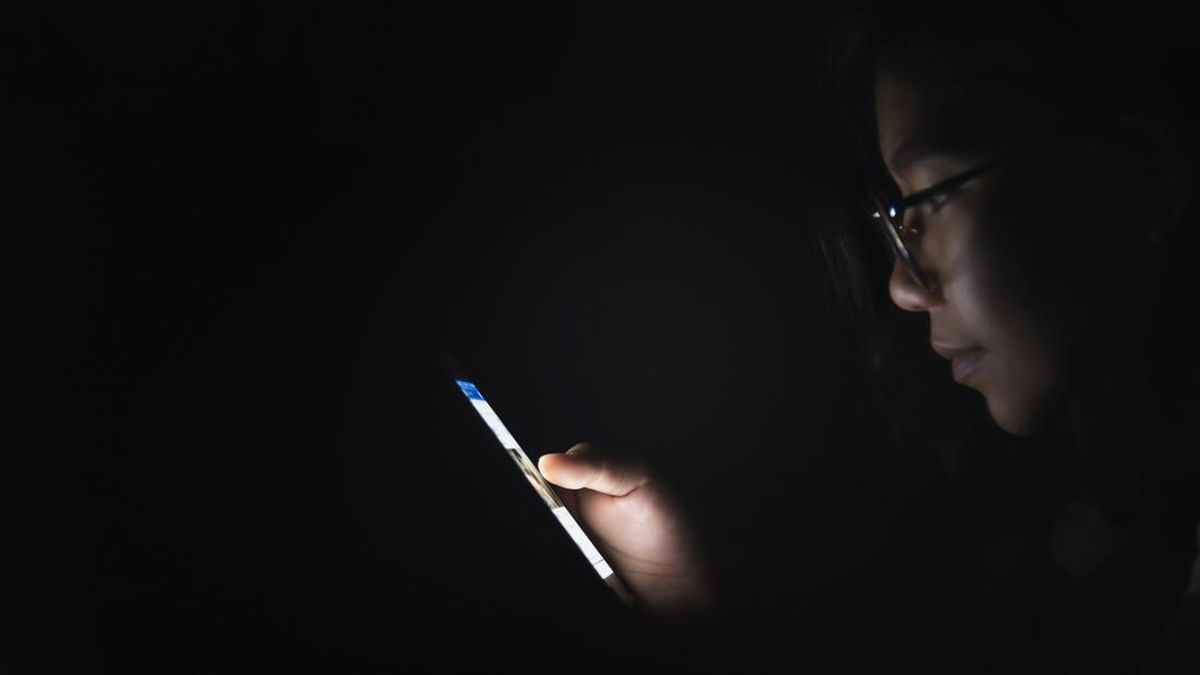
To utilize the call center effectively, customers should follow these operational steps:
- Dialing the Hotline: Customers must dial their local area code followed by the universal service number 123 (e.g., 021-123 for the Jakarta region). This service operates 24 hours a day, 7 days a week, accommodating emergencies at any hour.
- Financial and Administrative Preparation: Callers must ensure their mobile accounts possess sufficient credit or phone balance, as calls to the 123 hotline are generally billed as standard or premium toll connections depending on the telecommunications provider. Furthermore, callers must have their unique Customer Identification Number (Nomor Identitas Pelanggan or IDPEL) ready before initiating the call. This number is vital for customer verification, locating the specific electrical meter, and routing the ticket to the nearest technical dispatch unit.
- Direct Communication with Service Agents: Once connected, automated interactive voice response (IVR) prompts will guide the caller toward technical disruption menus, where a customer service representative will record the complaint, verify the physical address, and issue an official trouble ticket number for tracking purposes.
Utilizing the PLN Mobile Application for Instant Reporting
As part of its digital transformation strategy, PLN has heavily promoted its proprietary smartphone application, PLN Mobile, as the gold standard for consumer interactions. Beyond checking billing histories, purchasing prepaid electricity tokens, and monitoring energy consumption, the application features an integrated fault-reporting module equipped with GPS mapping technology.
The comprehensive procedure for reporting a blackout via PLN Mobile involves the following sequential phases:
- Application Acquisition and Installation: Users must first download and install the official PLN Mobile application through the Google Play Store for Android devices or the Apple App Store for iOS devices.
- Account Registration and Authentication: New users must complete a brief registration process by providing a valid mobile phone number, email address, and full legal name. Existing users can simply log in using their registered credentials.
- Navigating to the Complaint Menu: Upon successful login, the application home dashboard displays various utility services. The user must select the prominent complaint icon or navigate directly to the ‘Listrik Padam’ (Power Outage) menu option.
- Entering Customer Credentials: The system will prompt the user to input their unique Customer Identification Number (IDPEL). If multiple meters are linked to a single account, the user must select the specific meter experiencing the outage.
- Precision Location Mapping: To eliminate ambiguity regarding the physical location of the fault, the application utilizes the smartphone’s internal GPS. Users must tap the ‘Gunakan Titik Lokasi’ (Use Location Point) feature to automatically pinpoint coordinates. To ensure accuracy, device location services must remain enabled.
- Providing Supplementary Address Details: In addition to automated GPS mapping, users are required to manually fill in comprehensive address fields, including province, city, district, street name, house number, and easily identifiable local landmarks or reference points.
- Submitting Descriptive Evidence: The reporting interface includes a text description column where users can elaborate on the nature of the disruption (e.g., whether sparks were observed from a nearby transformer or if the outage affects only a single household versus an entire street). Users are also encouraged to upload clear photographic evidence if safety permits.
- Final Submission and Ticket Tracking: Once all mandatory fields are verified, the user submits the report. The application instantly generates a unique tracking code, allowing the customer to monitor the real-time status of the repair crew, from initial ticket assignment to on-site arrival and final resolution.
Offline Alternatives and Emergency Protocols
While digital and telephonic channels resolve the vast majority of consumer complaints efficiently, technological glitches, server maintenance, or widespread telecommunication blackouts can occasionally disrupt online reporting systems. In the event that a customer cannot connect to the 123 call center or encounters persistent errors within the PLN Mobile application, alternative offline measures remain available.
Customers retain the right to visit their nearest PLN Customer Service Unit (Unit Layanan Pelanggan or ULP) in person. Local customer service desks are staffed during standard business hours to manually process emergency outage reports, address billing discrepancies, and coordinate urgent field inspections. However, industry analysts recommend exhausting remote digital channels first, as online submissions enter the digital dispatch queue instantaneously, whereas physical visits are constrained by travel time and office operating hours.
Broader Economic Implications and Consumer Responsibilities
The implementation of streamlined, digitized reporting mechanisms carries profound implications for both the national economy and consumer welfare. Reliable electricity is a cornerstone of modern economic productivity. By reducing the duration of power outages through efficient digital dispatching, PLN helps mitigate commercial losses for small-and-medium enterprises (SMEs), manufacturing plants, and technology-driven offices that depend on continuous power supplies.
Furthermore, rapid response times enhance public safety. Downed power lines and malfunctioning transformers pose severe electrical hazards to local communities. Empowering citizens to report such dangers instantly via GPS-tagged mobile applications allows technical response teams to isolate hazardous zones, de-energize damaged lines, and prevent accidental electrocutions or electrical fires.
Ultimately, while state-owned utilities bear the technical responsibility for grid maintenance and infrastructure resilience, consumers play an active participatory role. By accurately utilizing digital reporting tools, keeping customer identification numbers readily accessible, and providing precise geographic data during blackouts, customers directly contribute to a more responsive, transparent, and reliable national electrical grid.