Komnas HAM Urges Immediate Evaluation of Papua Military Operations Following Civilian Fatalities

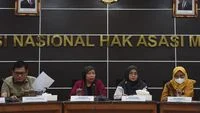
Indonesia’s National Commission on Human Rights (Komnas HAM) has issued a stern call for the Commander of the Indonesian National Armed Forces (TNI), General Agus Subianto, to conduct a comprehensive evaluation of military operations in Papua. This urgent demand comes in the wake of an incident that resulted in the deaths of at least 12 civilians, including vulnerable groups such as children and women, who reportedly sustained gunshot wounds. The incident, which also left several other civilians seriously injured, occurred during a TNI operation targeting elements of the West Papua National Liberation Army (TPNPB-OPM) in Kembru Village, Puncak Regency.
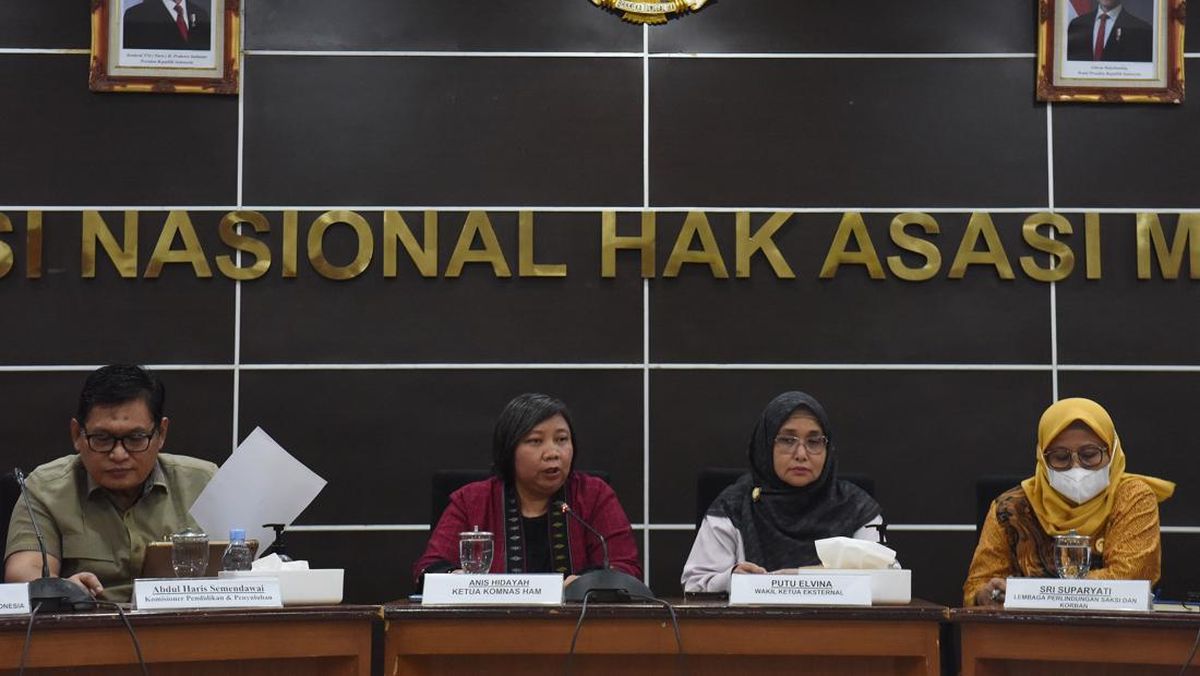
Anis Hidayah, the Chair of Komnas HAM, highlighted the gravity of the situation in a written statement released on Saturday, April 18, 2024. She emphasized that the loss of civilian lives, particularly those of non-combatants and vulnerable individuals, is an unacceptable outcome of any military engagement. Komnas HAM strongly condemned the operation, asserting that the targeting of civilians, whether in times of war or peace, constitutes a grave violation of human rights and international humanitarian law. Such actions, she stressed, infringe upon fundamental rights, including the right to life and the right to security – both of which are considered non-derogable rights, meaning they cannot be suspended under any circumstances.
Details of the Tragic Incident and Komnas HAM’s Immediate Response
The specific details surrounding the incident in Kembru Village remain under investigation, with Komnas HAM actively gathering information and coordinating with various parties to ascertain the precise number of casualties and their conditions. According to the Commission’s preliminary findings, the military operation, which was reportedly conducted by TNI’s Satgas Habema (Habema Task Force) against the TPNPB-OPM, led directly to the civilian fatalities and injuries. The presence of children and women among the deceased underscores the indiscriminate nature or severe collateral damage of the operation, raising profound concerns about adherence to rules of engagement and the principle of distinction in armed conflict.
Komnas HAM’s immediate response was unequivocal. Beyond condemning the violence, the commission reiterated its core mandate to protect human rights and uphold justice. Anis Hidayah underscored the imperative for all parties, especially the state, to prioritize the protection and well-being of civilians, particularly vulnerable populations in conflict zones. She urged both the TNI and the TPNPB-OPM to exercise maximum restraint to prevent further casualties, avoid instilling fear, combat stigmatization, and ensure that civilians are never targeted in armed confrontations.
Calls for Accountability and Professionalism
A central demand from Komnas HAM is for the TNI to adopt a professional and measured approach to law enforcement and security operations. This includes a strict adherence to human rights principles and values throughout all stages of an operation. The Commission specifically called on General Agus Subianto to initiate a thorough, transparent, and complete evaluation of the Satgas Habema’s actions and the overall conduct of the anti-TPNPB-OPM operations. The objective of such an evaluation, as stated by Komnas HAM, is to ensure accountability and uphold justice for the victims and their families.
Furthermore, Komnas HAM appealed to the government to provide comprehensive protection and recovery support for both the deceased and injured victims. This includes medical assistance, psychological support, and other forms of humanitarian aid. The Commission also emphasized the critical need to prevent further displacement of civilians due to security concerns, urging the government to create safe conditions that allow residents to remain in their homes without fear. Komnas HAM affirmed its commitment to independently investigate the human rights violations stemming from this event, collecting evidence and conducting monitoring in accordance with established mechanisms.
Historical Context of the Papua Conflict
The recent incident in Puncak Regency is a stark reminder of the long-standing and complex conflict that has plagued Papua for decades. The region, rich in natural resources, was incorporated into Indonesia in the 1960s after a controversial Act of Free Choice. Since then, various Papuan independence movements, notably the Free Papua Organization (OPM) and its military wing, the TPNPB, have engaged in a low-intensity armed struggle against Indonesian state control.
The conflict is multifaceted, rooted in issues of historical grievances, political autonomy, economic disparities, and human rights concerns. While the Indonesian government views the OPM/TPNPB as a separatist criminal group threatening national integrity, pro-independence groups and many human rights organizations argue that the Papuan people’s right to self-determination has been suppressed. The government has implemented "special autonomy" status for Papua, aiming to address some of these grievances, but its effectiveness remains a subject of intense debate and criticism from many Papuans and civil society groups who argue it has failed to deliver meaningful change or prosperity.
The presence of the TNI and police (Polri) in Papua is substantial, primarily tasked with maintaining security, countering separatist movements, and protecting national assets. However, these security operations have frequently drawn criticism for alleged human rights abuses, including excessive force, extrajudicial killings, and targeting of civilians. The challenging geographical terrain and the guerrilla tactics employed by the TPNPB-OPM often complicate operations, making it difficult to distinguish between combatants and non-combatants, thereby increasing the risk to civilian populations.
Broader Implications and Humanitarian Concerns
The Kembru Village incident is not an isolated event but rather indicative of a broader pattern of violence and human rights concerns in Papua. Reports from various human rights organizations, both domestic and international, consistently highlight the severe impact of the conflict on civilian populations. Internally Displaced Persons (IDPs) are a significant issue in several Papuan regencies, with thousands forced to flee their homes due to escalating violence between security forces and armed groups. These displacements often lead to humanitarian crises, with IDPs facing challenges in accessing food, shelter, healthcare, and education.
The lack of robust accountability mechanisms for alleged human rights violations committed by security forces has long been a point of contention. Critics argue that investigations are often slow, opaque, or result in lenient penalties, fostering a culture of impunity. This perception further erodes trust between the state and the Papuan people, complicating efforts to find a peaceful and lasting resolution to the conflict.
Furthermore, the continuous cycle of violence hampers development efforts and exacerbates socio-economic disparities in Papua, a region that despite its vast natural wealth, remains one of the poorest in Indonesia. Restrictions on access for independent journalists and international observers also make it challenging to verify reports of violence and ensure transparency, contributing to an environment where human rights abuses can occur with less scrutiny.
Reactions from Related Parties and the Path Forward
While Komnas HAM has been forthright in its condemnation and demands, a direct official response from the TNI Commander, General Agus Subianto, specifically addressing the Kembru Village incident, was not immediately available following Komnas HAM’s statement. Typically, TNI statements in such situations often emphasize the challenges of operating against armed groups, the adherence to standard operating procedures, and a commitment to investigating any alleged wrongdoing. However, the rigor and transparency of such investigations are frequently questioned by human rights advocates.
The Indonesian government, particularly the Coordinating Ministry for Political, Legal, and Security Affairs, plays a crucial role in overseeing security policies in Papua. Any directive for a comprehensive evaluation and accountability measures would likely need strong backing from this level. The incident places renewed pressure on Jakarta to reassess its security approach in Papua, potentially pushing for a more rights-based and dialogue-oriented strategy rather than a purely militaristic one.
The TPNPB-OPM, for its part, often frames such incidents as evidence of Indonesian state brutality against the Papuan people, using them to garner international sympathy for their independence cause. Their narrative would likely condemn the civilian casualties and reiterate their stance against Indonesian military presence.
The implications of this incident are significant. It further highlights the urgent need for a shift in approach in Papua, away from military-centric solutions towards a more holistic strategy that prioritizes human rights, civilian protection, and genuine dialogue. Failure to address these concerns effectively could deepen the conflict, exacerbate humanitarian suffering, and attract further international scrutiny regarding Indonesia’s human rights record. Komnas HAM’s determined stance serves as a critical internal mechanism pushing for accountability and justice, but its effectiveness will depend on the responsiveness and commitment of the government and the TNI to implement meaningful reforms and ensure that such tragic loss of innocent lives is prevented in the future. The call for a professional, transparent, and thorough investigation by Komnas HAM represents a crucial step towards fostering trust and paving the way for a more peaceful resolution in Papua.