A Resounding Tribute: Thousands Gather for Solemn 40-Day Commemoration of Beloved Singer Vidi Aldiano

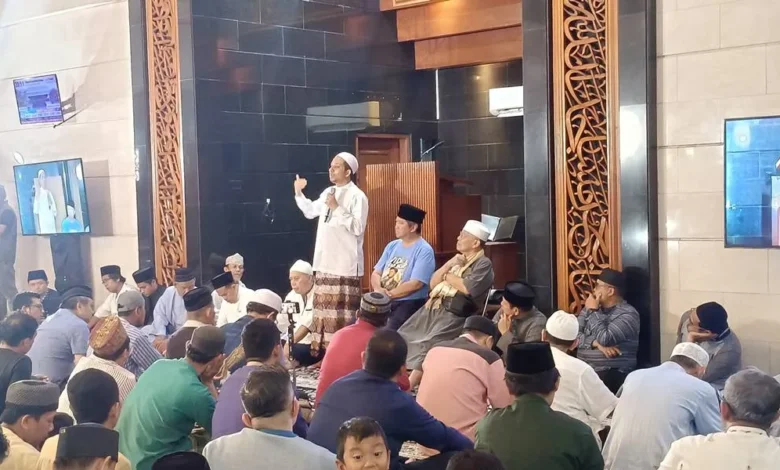
The hallowed halls of Masjid Nurul Hidayah in Tanah Kusir, South Jakarta, bore witness to a profound display of collective remembrance and sorrow on the evening of Saturday, April 18, 2026, as family, friends, and legions of fans converged for the 40-day commemoration of the passing of beloved Indonesian singer, Oxavia Aldiano, affectionately known as Vidi Aldiano. The atmosphere was steeped in solemnity, yet punctuated by an overwhelming sense of community and shared grief, as hundreds, if not thousands, from diverse backgrounds, filled every available space within the mosque’s precincts to offer prayers and pay their final respects to an artist who had touched countless lives through his music and persona.
A Nation Mourns: The Enduring Legacy of Vidi Aldiano
Vidi Aldiano, born Oxavia Aldiano, had carved an indelible mark on the Indonesian music landscape since his debut. Rising to prominence in the late 2000s, Vidi quickly distinguished himself with his smooth vocals, charismatic stage presence, and a repertoire of heartfelt pop ballads and upbeat anthems. His career trajectory was marked by numerous chart-topping hits, prestigious awards, and a consistent ability to evolve his sound while retaining the core authenticity that endeared him to millions. Beyond his musical prowess, Vidi was also known for his philanthropic efforts, engaging personality, and candidness about his personal struggles, including a public battle with illness that garnered widespread empathy and admiration for his resilience. His passing, exactly 40 days prior to this gathering, had sent shockwaves across the archipelago, leaving a void in the hearts of his fans and the wider entertainment industry.
The 40-day commemoration, known in Indonesian Islamic tradition as ‘Tahlilan’ or ‘Pengajian Empat Puluh Hari,’ holds deep cultural and spiritual significance. It is a period believed to mark the final journey of the soul, a time when collective prayers and remembrance are thought to provide comfort and blessings for the deceased. For many Indonesian Muslims, these events are not merely religious rites but also crucial social gatherings that reinforce community bonds, offering solace to the grieving family and allowing loved ones to collectively process their loss. The scale of the turnout at Masjid Nurul Hidayah underscored not only Vidi Aldiano’s immense popularity but also the profound cultural resonance of this particular ritual in Indonesian society.
A Father’s Gratitude: Harry Kiss Reflects on Public Outpouring
Among those greeting the steady stream of mourners was Vidi’s father, Harry Kiss, a well-known figure himself in the Indonesian sound engineering industry. Despite the palpable sorrow, Kiss extended a heartfelt welcome to all attendees, his voice tinged with both grief and overwhelming gratitude. He openly expressed his astonishment and profound appreciation for the sheer volume of people who had come to offer their prayers and support for his late son.
"I don’t know the exact total, but this is even more than who came for his birthday celebration last year," Harry Kiss remarked to KapanLagi.com, a leading entertainment portal, during the event at Masjid Nurul Hidayah. His words encapsulated the surprise and humility felt by the family in the face of such a massive public outpouring. The comparison to a birthday celebration, typically a joyous occasion drawing a significant crowd, highlighted the extraordinary nature of the attendance for a memorial service, signifying the deep emotional connection Vidi had forged with his audience. The devoted fanbase, affectionately known as "Fidhis," demonstrated their unwavering loyalty, traveling from various cities and regions to be present, a testament to the powerful bond between the artist and his followers. This level of engagement, even after his passing, solidified Vidi’s status as not just a singer but a cultural icon whose influence transcended mere musical preference.
A Chronology of Remembrance: From Illness to Legacy
Vidi Aldiano’s journey, which tragically concluded on March 9, 2026, had been a testament to courage and resilience. For several years leading up to his passing, Vidi had openly shared his battle with kidney cancer, a diagnosis that he faced with remarkable transparency and an unwavering positive spirit. His public statements about his health struggles transformed him into an accidental advocate for cancer awareness, inspiring many with his determination to continue his artistic pursuits despite the immense physical and emotional toll of his illness. He underwent multiple treatments, including surgery, consistently updating his fans and the public, often with a smile, about his condition.
The news of his passing on March 9, 2026, plunged the nation into mourning. Social media platforms were inundated with tributes from fellow musicians, public figures, and millions of fans. Condolence messages poured in from across the globe, reflecting the broad reach of his music and his persona. The funeral service, held shortly after his death, was a private affair for close family and friends, but even then, the surrounding areas were filled with fans seeking to pay their last respects. The 40-day mark, therefore, served as the first major public gathering since his funeral, providing a collective opportunity for a grieving nation to formally commemorate his life and legacy.
The evening’s commemoration commenced shortly after the Maghrib prayer, a time traditionally reserved for communal gatherings in Islamic culture. The sequence of events was meticulously planned, reflecting the solemnity and spiritual depth of the occasion. Attendees first performed the congregational Maghrib prayer, uniting them in a shared act of worship. Following the prayer, the main program began, focusing on spiritual remembrance. This included the communal recitation of the Yasin surah from the Quran, known for its emphasis on the afterlife and resurrection, and the Tahlil, a series of Islamic phrases and prayers recited in remembrance of Allah and for the deceased. Led by a local cleric, the prayers were interspersed with poignant reflections on Vidi’s life, his contributions, and his enduring spirit.
The air was thick with emotion as voices merged in unison, offering supplications for Vidi Aldiano’s soul. Many attendees were visibly moved, some shedding tears quietly, while others found comfort in the collective solidarity. The spiritual program culminated in a special prayer (doa) specifically dedicated to the late singer, seeking peace and blessings for him in the hereafter. After the formal prayers and recitations, the family, as a gesture of profound gratitude for the immense support, provided a communal dinner for all guests. This act of hospitality is a deeply ingrained tradition in Indonesian memorial services, symbolizing shared sustenance and solidarity in times of grief, further reinforcing the communal aspect of the remembrance.
Beyond the Mosque Walls: The Broader Impact and Implications
The overwhelming attendance at Vidi Aldiano’s 40-day commemoration carries several significant implications. Firstly, it underscores the enduring power of music and celebrity in shaping public sentiment and fostering deep, personal connections with artists. Vidi was not just a singer; for many, he was a source of inspiration, comfort, and joy. His journey, marked by both triumphs and tribulations, resonated deeply, making his passing a collective loss felt across demographic divides.
Secondly, the event highlighted the robust nature of fan culture in Indonesia. The "Fidhis" demonstrated a level of dedication that goes beyond casual appreciation, embodying a community bound by shared admiration and loyalty. Their presence, often involving travel and personal sacrifice, is a testament to the strong emotional investment fans make in their idols, and how these relationships continue to thrive even after an artist’s departure. This phenomenon speaks to the evolving dynamics of celebrity worship and community building in the digital age, where social media facilitates deeper, more continuous engagement.
Thirdly, the large-scale Tahlilan reaffirmed the vital role of traditional religious ceremonies in modern Indonesian society. Despite increasing modernization, these rituals remain cornerstones of communal life, providing structured avenues for grief, remembrance, and social cohesion. They offer a sense of continuity and comfort, anchoring individuals within their cultural and spiritual heritage during moments of profound change and loss. The participation of people from various backgrounds, irrespective of the intensity of their religious observance, underscored the universal human need for collective mourning and tribute.
Furthermore, the event served as a powerful reminder of Vidi Aldiano’s significant artistic legacy. His body of work, encompassing a diverse range of songs, continues to resonate, serving as a testament to his talent and enduring appeal. The outpouring of grief and remembrance at the 40-day mark is not merely a farewell but a celebration of a life well-lived, a career brightly shone, and an impact that will undoubtedly echo through generations of Indonesian music lovers. His courage in facing illness also leaves an important legacy, transforming his personal struggle into a source of strength and awareness for many.
In conclusion, the 40-day commemoration for Vidi Aldiano at Masjid Nurul Hidayah was more than just a memorial service; it was a poignant national moment. It was a testament to the power of art to connect, the strength of community in grief, and the enduring legacy of a beloved figure. As hundreds departed the mosque into the Jakarta night, carrying with them shared memories and prayers, the echoes of Vidi Aldiano’s life and music continued to resonate, a permanent melody in the heart of a nation that loved him dearly. His absence leaves a void, but his spirit and his contributions to Indonesian culture will undoubtedly continue to inspire and touch lives for many years to come.