
Authentic No Shortcuts Louisiana Red Beans And Rice
Authentic No-Shortcuts Louisiana Red Beans and Rice: A Culinary Masterpiece
The true essence of Louisiana red beans and rice is not a dish for the impatient. It is a slow-cooked symphony of flavors, a testament to tradition, and a cornerstone of Creole and Cajun cuisine. This is not the hurried version you might find in some establishments, where the beans are canned and the process is condensed. This is the real deal, demanding time, attention, and a deep respect for the ingredients and the techniques that have been passed down through generations. Understanding the "no shortcuts" philosophy is paramount. It means starting with dried red kidney beans, not canned. It means building a flavor base from scratch, with a proper soffritto and carefully rendered meats. It means patience, allowing the beans to soften and meld with the aromatic vegetables and savory broth, creating a creamy, soulful texture that is utterly incomparable. This dedication to the process is what elevates red beans and rice from a simple meal to a culinary event, a celebration of Louisiana’s rich food heritage.
The Foundation: Selecting and Preparing the Beans
The first and most critical step in achieving authentic Louisiana red beans and rice is the selection and preparation of the dried red kidney beans. Forget pre-cooked or canned varieties; they lack the depth of flavor and the characteristic creamy texture that defines the dish. Opt for high-quality dried red kidney beans. Look for beans that are plump, uniformly colored, and free from debris or broken pieces. The color should be a rich, deep red. Before cooking, a thorough sorting and rinsing process is non-negotiable. Spread the dried beans on a clean, flat surface and meticulously pick through them, removing any small stones, twigs, or discolored beans that might have slipped through during processing. Once sorted, place the beans in a colander and rinse them thoroughly under cold running water. This removes any surface dust or impurities.
Soaking is an indispensable part of the process, vital for rehydrating the beans and initiating the softening process, which ultimately contributes to their creaminess. There are two primary methods for soaking. The overnight soak is the traditional and often preferred method. Place the rinsed beans in a large bowl and cover them with at least three inches of cold water. Let them soak for a minimum of 8 hours, or preferably overnight, at room temperature. As they soak, the beans will absorb water and swell significantly. The next day, drain and rinse the soaked beans again. Alternatively, for a quicker approach, the quick soak method can be employed. Place the rinsed beans in a large pot, cover with water by about two inches, and bring to a rolling boil for 2-3 minutes. Remove the pot from the heat, cover it tightly, and let the beans stand for 1 hour. After the hour, drain and rinse them as you would with the overnight soak. While the quick soak is convenient, the overnight soak generally yields a more consistent and desirable texture. Regardless of the method chosen, the goal is to ensure the beans are plump and partially rehydrated before beginning the cooking process. This initial preparation sets the stage for the slow, gentle cooking that will unlock their full potential.
The Trinity and Beyond: Building the Aromatic Base
The soul of Louisiana cooking lies in its aromatic foundation, and for red beans and rice, this begins with the sacred "trinity" of Creole and Cajun cuisine: onions, bell peppers, and celery. This trio, finely diced, forms the bedrock of flavor, releasing its aromatic essence as it slowly softens and caramelizes in the pot. Beyond the trinity, the addition of garlic is crucial. Minced garlic, added at the right stage, infuses the dish with its pungent warmth, complementing the sweetness of the onions and the subtle peppery notes of the bell peppers.
The process of building this flavor base is as important as the ingredients themselves. In a large, heavy-bottomed pot or Dutch oven, begin by rendering the fat from cured meats. Smoked ham hocks, salt pork, or a good quality smoked sausage (such as andouille) are essential. These meats not only impart a rich, savory depth but also provide the fat necessary to sauté the vegetables, creating a more complex and nuanced flavor profile. Start by browning the chosen meat over medium heat, allowing its fat to render out. Once the meat is browned and its fat has been released, remove the meat from the pot, leaving the rendered fat behind. This fat will serve as the cooking medium for the trinity.
Add the finely diced onions, bell peppers, and celery to the rendered fat. Cook them slowly over medium-low heat, stirring frequently. This is not a quick sauté; it’s a patient softening and sweating process. The vegetables should become tender and translucent, not browned and crispy. This gentle cooking allows their natural sugars to develop, creating a sweet and savory undertone that is crucial for the final dish. Once the trinity is softened, add the minced garlic and cook for another minute or two until fragrant, being careful not to burn it. The aroma filling your kitchen at this stage is a preview of the deliciousness to come.
The Slow Simmer: Unlocking Creaminess and Depth
With the aromatic base meticulously built, the stage is set for the slow, transformative simmer that is the hallmark of authentic red beans and rice. Add the drained and rinsed soaked beans to the pot with the sautéed trinity and rendered meats. Cover the beans with enough liquid to submerge them by at least two inches. The liquid choice is critical for flavor. For the most authentic result, use a combination of water and a flavorful broth. Chicken broth or a good quality vegetable broth can be used, but the most traditional choice is often simply water, allowing the flavors of the beans and meats to dominate. However, many cooks also opt for a light, unsalted chicken or pork broth for an added layer of complexity.
Now comes the patience. Bring the mixture to a gentle simmer. Once simmering, reduce the heat to low, cover the pot, and allow the beans to cook slowly and undisturbed for several hours. The cooking time will vary depending on the age and type of the beans, but typically ranges from 2 to 4 hours, sometimes longer. The goal is for the beans to become exceptionally tender and creamy. As they cook, they will begin to break down, releasing starches that will naturally thicken the sauce, creating the characteristic creamy texture. Stir the beans occasionally, especially during the latter stages of cooking, to prevent sticking and to help with the breakdown of the beans. If the liquid level drops too low, add more hot water or broth, a cup at a time, maintaining the gentle simmer.
During this long simmer, the flavors will meld and deepen. The savory notes from the meats will infuse the beans, while the sweetness of the trinity will balance the earthy essence of the beans. If you’ve used ham hocks or salt pork, they will begin to fall apart, their tender meat ready to be shredded and returned to the pot. If using sausage, it will have released its spices and rendered its flavorful fat. This slow, low-heat cooking is the secret to transforming humble dried beans into a rich, velvety, and deeply satisfying dish. Avoid the temptation to rush this process; the extended simmering is what unlocks the true soul of Louisiana red beans and rice.
The Seasoning Ritual: A Symphony of Spice
Seasoning is an art form in Louisiana cooking, and for red beans and rice, it’s a ritual that elevates the dish from good to extraordinary. The base flavors are established by the trinity and the meats, but the final adjustments are what bring it all into harmony. Salt and freshly ground black pepper are essential, of course, but the true magic lies in the subtle yet impactful addition of Creole or Cajun seasoning.
Creole seasoning, often a blend of paprika, cayenne pepper, garlic powder, onion powder, dried oregano, and dried thyme, provides a warm, aromatic spice that is foundational. Cajun seasoning tends to be a bit spicier, with a more prominent kick of cayenne. The amount used will depend on your personal preference and the saltiness of your other ingredients, particularly if you’ve used salt pork or a very salty sausage.
Bay leaves are another crucial element, adding a subtle herbaceous note that complements the richness of the beans. Add one or two bay leaves to the pot during the simmering process. Remove them before serving.
A touch of heat is often desired, and this can be achieved with cayenne pepper or, for a more complex heat, with a dash of hot sauce. Louisiana-style hot sauces, such as Tabasco or Crystal, are traditional and provide a vinegar-forward tang that cuts through the richness. Start with a small amount and add more to taste.
As the beans approach their final creamy consistency, it’s time for the crucial taste-and-adjust phase. Carefully taste the beans. Does it need more salt? A touch more pepper? A little more heat? This is where your palate guides the dish to its perfect balance. Some cooks also like to add a splash of vinegar or lemon juice at the very end of cooking to brighten the flavors. This acid can lift the richness and add a subtle tang. The goal is a complex flavor profile that is savory, slightly sweet, subtly spicy, and deeply comforting.
The Accompaniments: The Perfect Partner for Rice
Red beans and rice is rarely served alone; its iconic companion is perfectly cooked white rice. The rice acts as a neutral canvas, absorbing the rich, creamy sauce of the beans and providing a delightful textural contrast. The key to a successful pairing is fluffy, separated rice. Long-grain white rice is the standard. Rinse the rice thoroughly under cold water until the water runs clear to remove excess starch. This prevents the rice from becoming gummy. Cook the rice according to package directions, using a 1:2 rice-to-water ratio for most long-grain varieties. It’s crucial to let the rice steam undisturbed for about 10-15 minutes after cooking, then fluff it gently with a fork.
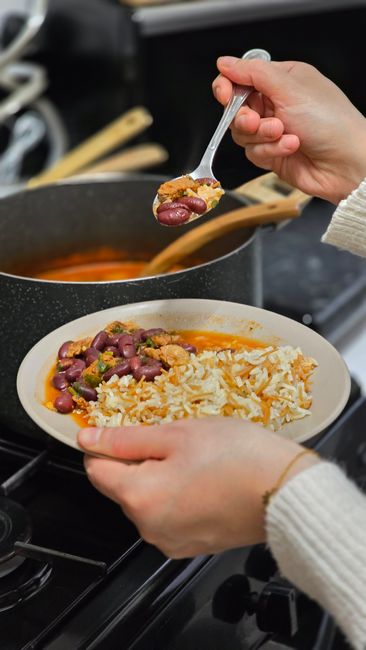
The traditional way to serve red beans and rice is to place a generous mound of fluffy white rice in the center of a shallow bowl and then ladle the creamy red beans and the tender meats over the top. The visual appeal of the deep red beans against the bright white rice is an integral part of the experience.
Beyond the rice, other traditional accompaniments can further enhance the meal. A side of cornbread, with its slightly sweet and crumbly texture, is a beloved addition. The cornbread is perfect for sopping up any extra sauce from the plate. Another classic pairing is a simple green salad with a vinaigrette dressing. The crispness of the salad offers a refreshing counterpoint to the richness of the beans. For those who crave an extra kick, a side of sliced pickled jalapeños or a dollop of sour cream can be offered. However, for the purest experience, the focus remains on the beans, the rice, and the simple beauty of their harmonious combination.
The "No Shortcuts" Philosophy in Practice
The "no shortcuts" philosophy for Louisiana red beans and rice is not merely a set of instructions; it’s a mindset. It’s about understanding that true flavor and texture are cultivated through time and attention. It means embracing the process, from the initial sorting of the beans to the final slow simmer. It means resisting the urge to speed things up with pre-prepared ingredients or quick-cooking methods.
This dedication to authenticity is evident in every spoonful. The beans are not just soft; they are impossibly creamy, with a velvety texture that coats the tongue. The flavors are not just present; they are layered and complex, with the savory depth of the rendered meats, the sweet perfume of the trinity, and the subtle warmth of the spices. The aroma that fills the kitchen during the long simmer is an olfactory invitation to a culinary tradition that is both humble and profound.
This dish is more than just sustenance; it’s a connection to history, to family, and to the vibrant culture of Louisiana. It’s a reminder that some of the most rewarding culinary experiences require patience, respect for ingredients, and a willingness to invest the time necessary to create something truly special. When you commit to the no-shortcuts approach, you are not just making red beans and rice; you are crafting a legacy, one slow-simmered spoonful at a time. It is a culinary journey that rewards every moment of effort with an unparalleled depth of flavor and a profound sense of satisfaction. This is the authentic, no-shortcuts Louisiana red beans and rice, a dish that stands as a testament to the enduring power of tradition and the magic of slow cooking.
