Can you change the photo on your electronic KTP and under what conditions can such changes be made?

The electronic Identity Card, or KTP-el, serves as the cornerstone of administrative verification for Indonesian citizens. As the primary visual identifier, the photograph embedded within this document acts as a critical security feature, allowing government agencies, financial institutions, and law enforcement to confirm the identity of an individual. However, as citizens age or experience significant physical changes, many have begun to question whether the photograph on their KTP-el remains a valid representation of their current appearance. While the desire to update a dated or unflattering photograph is common, the process is governed by strict regulatory frameworks within the national population administration system.
The Legal Framework of Identity Updates
In Indonesia, the KTP-el is not merely a piece of plastic; it is a digital gateway to public services, ranging from banking and healthcare to voting and social security. Because of this, the photograph—along with biometric data such as fingerprints and iris scans—is stored in a centralized database managed by the Ministry of Home Affairs through the Directorate General of Population and Civil Registration (Dukcapil).
Under current regulations regarding population administration, the photograph on a KTP-el is categorized as an element of population data. Consequently, modifying this data is not a discretionary act available to citizens at will. The regulations stipulate that changes to the photograph are only permissible if the cardholder undergoes a permanent physical transformation or if the physical card itself sustains damage that renders the information, including the photograph, illegible or unusable for verification purposes. The government maintains these strict standards to prevent identity fraud and ensure that the digital signature associated with the card remains tethered to the correct individual.
Defining Conditions for Modification
To maintain the integrity of the national database, the Department of Population and Civil Registration (Disdukcapil) has established clear criteria under which a citizen may request a photograph update. These criteria are designed to ensure that the KTP-el continues to function as an accurate biometric tool.
-
Permanent Physical Changes: This is the most common reason for a request. Significant changes in facial structure due to medical conditions, surgical procedures, or other permanent alterations that render the existing photo obsolete fall into this category. The goal is to ensure that automated facial recognition systems—which are increasingly used in government and private sector security—can successfully match the person to their record.
-
Physical Degradation of the Card: Over time, KTP-el cards may suffer from wear and tear, such as peeling laminates, chipped chips, or surface scratches that obscure the image. If the card’s integrity is compromised to the point where it cannot be scanned by an official card reader, the government mandates a replacement. In such instances, the opportunity to update the photograph is provided during the re-issuance process.
-
Verification Necessity: There are instances where, due to the age of the document, the photograph is no longer recognizable as the holder. If a bank, government office, or border agency consistently fails to verify an individual’s identity because the photo is outdated, the local Disdukcapil may approve a request for a new photograph to be taken to facilitate smoother administrative interactions.
The Process: Navigating the Disdukcapil Bureaucracy
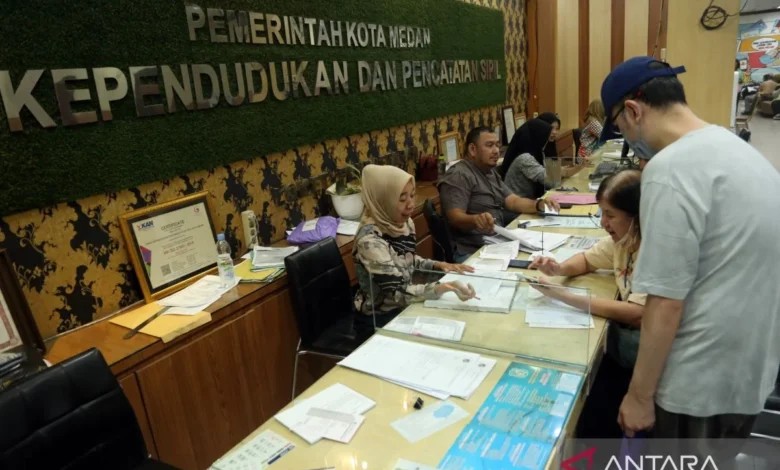
For citizens who meet the necessary criteria, the procedure for updating a KTP-el photograph involves a formal application process through the local Disdukcapil office. Unlike a standard passport application, where a citizen might provide their own studio-quality photograph, the KTP-el system requires the applicant to be physically present.
The process involves a new biometric recording session. This ensures that the digital file uploaded to the national database is of a consistent quality and adheres to the specific technical requirements of the Ministry of Home Affairs. Once the new photograph is captured and processed through the system, a new physical KTP-el card is printed and issued.
It is important to note that requirements can vary slightly by region due to local implementation of digital services. For instance, in many urban centers, the applicant must present their Family Card (Kartu Keluarga) and the original damaged or outdated KTP-el as proof of identity. Citizens are advised to consult their regional Disdukcapil office—either through official websites or in-person inquiries—to confirm the required documentation before arriving.
Misconceptions Regarding Personal Preference
A recurring challenge for local authorities is the volume of requests from citizens who simply wish to change their photograph because they find the current one "unattractive" or outdated by style, rather than by identity. Officials have repeatedly clarified that aesthetic dissatisfaction does not constitute a valid legal basis for a replacement.
The KTP-el is an administrative document, not a portrait for personal use. Because the issuance of a new card incurs costs to the state—including materials, labor, and system integration—the government limits replacements to situations where the document is no longer functional. Allowing mass updates based on personal preference would overwhelm the already busy Disdukcapil offices and introduce unnecessary vulnerabilities into the verification process.
The Role of Biometrics in Modern Governance
The importance of the KTP-el photograph extends far beyond mere visual recognition. Modern KTP-el cards contain a chip that holds encrypted biometric data. When a card is inserted into a reader, the system performs a cross-reference between the stored data and the live physical scan of the holder.
This technological layer is designed to thwart "hoax" narratives that have occasionally circulated in public discourse, such as claims that chips in KTP-el cards are used for illegal surveillance or location tracking. In reality, the chip is a passive component used strictly for identity verification. By ensuring that the photograph on the card matches the physical appearance of the holder, the government ensures that the "human-in-the-loop" verification—where a clerk compares the card to the person standing in front of them—remains effective.
Broader Implications and Future Trends
As Indonesia moves toward a more digitized public service environment, the reliance on the KTP-el as a "Single Identity Number" (NIK) continues to grow. We are witnessing a trend where more government agencies are integrating their services with the Dukcapil database. For example, schools are now facilitating the initial recording of KTP-el data for students reaching the age of 17, and local offices are conducting mobile recording sessions in rural areas to ensure no citizen is left out of the national registry.
The implication of this digitalization is that the accuracy of the data—including the photograph—is paramount. If an individual’s appearance changes drastically but they fail to update their record, they may face hurdles in digital banking, tax filing, or even accessing government subsidies.
Furthermore, the integration of these records has facilitated massive administrative projects, such as the registration of first-time voters in major metropolitan areas like South Jakarta. As these systems become more sophisticated, the protocol for updating photographs may evolve. Future versions of the KTP-el might even transition toward fully digital IDs, which could theoretically allow for more seamless, remote updates of digital photographs, provided the security of the biometric verification process is maintained.
Conclusion: Maintaining the Integrity of the National Identity
While the temptation to update one’s KTP-el photo for vanity or minor changes may be strong, it is essential to understand that the document is a serious instrument of state administration. The current policies are not intended to inconvenience citizens, but rather to protect the sanctity of the identity system.
For those who truly need an update—whether due to a life-changing accident, a permanent physical transformation, or a broken card—the path is open and clear. By adhering to the official procedures provided by the local Disdukcapil, citizens can ensure their identification remains valid, secure, and ready for the evolving demands of Indonesia’s digital future. The key takeaway for all citizens is to verify their own documentation status, maintain their cards with care, and recognize that the photograph on the KTP-el is, first and foremost, a tool for security and service, not a reflection of personal style.
Related posts: