Queen Máxima Concludes Pivotal Five-Day Indonesian Tour as UN Special Advocate, Championing Financial Inclusion and Sustainable Development

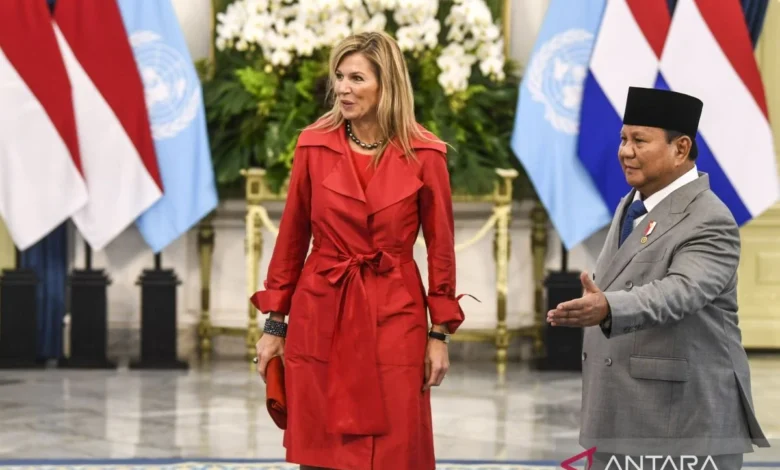
Jakarta, Indonesia – Her Majesty Queen Máxima of the Netherlands concluded a significant five-day working visit to Indonesia from Monday, November 24, to Thursday, November 27, 2025. Her presence in the archipelago was not in her capacity as Queen of the Netherlands, but rather as the United Nations Secretary-General’s Special Advocate (UNSGSA) for Inclusive Finance for Development. This distinction underscored the technical and developmental nature of her mission, focusing intently on advancing financial health and inclusion across Indonesian society. The visit, her fifth to Indonesia, built upon a sustained commitment to fostering economic resilience and well-being through robust financial ecosystems.
The Mandate of the UNSGSA: A Global Vision for Financial Inclusion
Queen Máxima’s role as UNSGSA, which she has held since 2009, is critical in advocating for universal access to affordable, useful, and safe financial services. This global mandate aligns directly with several Sustainable Development Goals (SDGs), particularly SDG 1 (No Poverty), SDG 5 (Gender Equality), SDG 8 (Decent Work and Economic Growth), and SDG 10 (Reduced Inequalities). The UNSGSA office works with governments, regulators, financial service providers, and other stakeholders to shape policy, promote innovation, and drive progress in financial inclusion worldwide. Her expertise, stemming from a background in international finance and emerging markets, lends significant weight to her advocacy efforts, enabling her to engage effectively with diverse actors, from heads of state to grassroots entrepreneurs.
Indonesia has long been a key focus country for the UNSGSA due to its vast and diverse population, unique geographical challenges, and its government’s strong commitment to financial inclusion. Despite significant progress, with the National Financial Inclusion Index reaching an impressive 85.10% in 2023 according to the Financial Services Authority (OJK), challenges persist. These include addressing the remaining unbanked and underbanked populations, particularly in remote areas, enhancing financial literacy, and ensuring that digital financial services are accessible and beneficial for all segments of society, including women, youth, and Micro, Small, and Medium Enterprises (MSMEs). The World Bank has consistently highlighted the transformative potential of financial inclusion in Indonesia, noting that greater access to formal financial services can lift individuals out of poverty, empower women, and stimulate local economies.
This visit marked Queen Máxima’s fifth engagement with Indonesia in her UNSGSA capacity, following previous visits in 2012, 2016, and 2018. Her earlier visits focused on various aspects of financial inclusion, including digital payments, microfinance, and regulatory frameworks. Her deep familiarity with the Indonesian context allowed for more targeted discussions and a nuanced understanding of the country’s progress and ongoing needs. Beyond her UNSGSA role, Queen Máxima also visited Indonesia in 2020 as Queen of the Netherlands, accompanying King Willem-Alexander on a state visit, further solidifying the strong bilateral ties between the two nations.
A Detailed Itinerary: Engaging Diverse Stakeholders for Financial Health
Queen Máxima’s intense three-day itinerary, from Tuesday, November 25, to Thursday, November 27, 2025, traversed multiple regions, including Sragen and Solo in Central Java, Jakarta, and Bekasi in West Java. Each stop was strategically chosen to highlight different facets of financial inclusion and health, from empowering factory workers and traditional artisans to promoting sustainable housing and corporate financial wellness.
Tuesday, November 25: Central Java – Empowering Communities and MSMEs
The first day of the official mission began in Central Java, a region rich in traditional industries and a significant base for Indonesia’s burgeoning manufacturing sector. Queen Máxima initiated her visit by touring a garment factory in Kabupaten Sragen. The choice of a garment factory was deliberate, aiming to understand the financial realities of industrial workers, many of whom are women. Discussions likely centered on the importance of digital wage payments, access to savings accounts, micro-credit for personal emergencies or small entrepreneurial ventures, and basic financial literacy programs that can help workers manage their income effectively and plan for their future. Improving the financial health of factory workers not only enhances their personal well-being but also contributes to greater economic stability within their communities. Representatives from the factory and local labor organizations were expected to share insights into current practices and potential areas for improvement, such as linking workers to formal financial institutions and offering tailored financial products.
Following her engagement in Sragen, Queen Máxima traveled to Solo (Surakarta), a city renowned for its rich cultural heritage, particularly its batik industry. Here, she visited Kampung Batik Laweyan, a historic batik village. This stop underscored the critical role of MSMEs in Indonesia’s economy. MSMEs contribute significantly to the national GDP and employment, yet often face challenges in accessing formal credit, adopting digital payment systems, and navigating financial regulations. At Laweyan, the discussions with batik artisans and small business owners focused on how improved financial health could bolster their businesses, enable expansion, and ensure the sustainability of traditional crafts. Specific topics likely included the benefits of digital payment platforms for transactions and market access, microfinance solutions for working capital, and training programs to enhance financial management skills. The aim was to demonstrate how inclusive finance can preserve cultural heritage while fostering economic growth.
The day concluded with a significant event at Pura Mangkunegaran, a historical palace in Solo, where Queen Máxima attended a gathering hosted by Women’s World Banking. This organization is a global leader in designing and advocating for financial services that specifically cater to women. The event brought together a diverse group of young people, university students, and female entrepreneurs. The format likely involved interactive discussions where participants shared their experiences with financial products and services. The Queen’s engagement aimed to gather firsthand accounts of challenges faced by women and youth in accessing finance, using digital tools, and building financial resilience. Such dialogues are crucial for informing policy and product development, ensuring that financial services are truly responsive to the needs of these key demographic groups. The ornate setting of Pura Mangkunegaran provided a culturally resonant backdrop for these forward-looking conversations.
Wednesday, November 26: Jakarta and Bekasi – Strategic Partnerships and Sustainable Solutions
The second day shifted focus to strategic collaborations and innovative solutions in the greater Jakarta area. Queen Máxima began her day in Jakarta by participating in a roundtable discussion with various development organizations at a local United Nations office. This meeting served as a crucial platform for UN agencies, NGOs, and other development partners to share insights, coordinate efforts, and discuss integrated approaches to financial inclusion. Topics likely included leveraging digital finance for humanitarian aid, promoting financial literacy in underserved communities, and integrating financial inclusion into broader development programs, such as those addressing climate change or health. The synergy between these organizations is vital for achieving sustainable impact.
Later, she visited the International Finance Corporation (IFC), a member of the World Bank Group dedicated to private sector development in emerging markets. The discussions at IFC focused on the development of lending initiatives that contribute to economic growth and financial health. The IFC plays a pivotal role in mobilizing private capital, providing advisory services, and investing in projects that have high developmental impact. The conversation likely explored innovative financial products, such as green finance for sustainable projects, financing for small and medium-sized enterprises (SMEs), and digital lending solutions that expand access to credit responsibly. Emphasizing sustainable and responsible lending practices, the meeting sought to identify pathways for greater private sector engagement in financial inclusion.
A highlight of the day was Queen Máxima’s visit to the Gran Harmoni Cibitung subsidized housing complex in Kabupaten Bekasi, West Java. This complex is notable for providing low-emission homes to low- and middle-income communities, addressing both the housing deficit and environmental sustainability. Her visit included a tour of a resident’s home, offering a personal glimpse into the lives of families benefiting from affordable housing. She also interacted with representatives of first-time homebuyers, hearing directly about their experiences and the impact of homeownership on their financial stability and overall well-being.
Crucially, the visit also showcased an innovative payment mechanism: a "bank sampah" (waste bank) system where residents can pay their mortgage installments using sorted household waste. This groundbreaking initiative, championed by Bank Tabungan Negara (BTN), not only facilitates homeownership for those with limited conventional income but also promotes environmental awareness and waste management. Queen Máxima observed the process of waste collection and its conversion into financial value, as well as the signing of sales and purchase agreements for dozens of prospective homeowners. This model exemplifies how financial innovation can be intertwined with social and environmental objectives, creating a truly inclusive and sustainable ecosystem. Her appreciation for this BTN innovation was widely reported, highlighting its potential for replication.
The day concluded with a visit to Deloitte Indonesia, a global professional services firm. Here, Queen Máxima engaged with employers to discuss their role in contributing to the financial health of their employees and clients. Corporate financial wellness programs, including financial literacy training, access to affordable credit, and retirement planning, are increasingly recognized as essential for employee satisfaction and productivity. The discussions at Deloitte likely explored best practices, the benefits of such programs for both employees and the company, and how corporations can leverage their influence to promote broader financial inclusion within their ecosystems. This engagement underscored that financial health is not solely a government or financial institution responsibility but a collective effort involving all sectors of society.
Thursday, November 27: Jakarta – Policy Dialogue and Presidential Engagement
The final day of Queen Máxima’s visit was dedicated to high-level policy discussions and a significant meeting with the President of Indonesia. She began the day by participating in a crucial agenda on financial literacy alongside key Indonesian financial authorities: the Financial Services Authority (OJK), Bank Indonesia (BI), and the Ministry of Finance (Kemenkeu). These institutions are the pillars of Indonesia’s financial regulatory and policy landscape. The discussions likely focused on strategies to further enhance financial literacy across the population, address consumer protection issues in the rapidly evolving digital finance space, and ensure that regulatory frameworks support innovation while safeguarding stability. The collaboration between the UNSGSA and these bodies is vital for aligning national policies with international best practices in financial inclusion. Topics such as the expansion of digital financial services, the role of fintech in reaching underserved segments, and the measurement of financial health indicators were likely on the agenda.
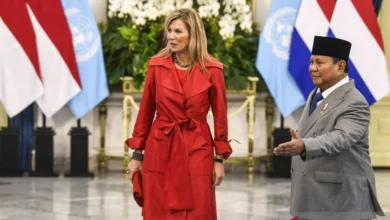
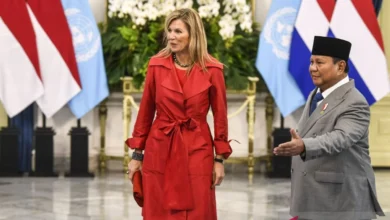
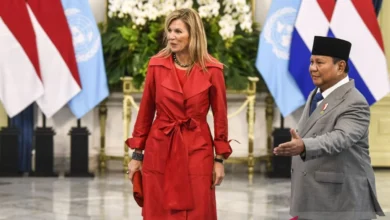
The culmination of her visit was a meeting with President of the Republic of Indonesia, Prabowo Subianto, at the Istana Merdeka in Jakarta. This high-level engagement provided an opportunity for Queen Máxima to convey the findings and impressions from her extensive tour, including insights gathered from her interactions with various communities, businesses, and organizations. The meeting, which included a private session and a luncheon, allowed for a direct exchange on Indonesia’s progress in financial inclusion, its strategic priorities, and potential areas for continued international cooperation. President Subianto likely reiterated Indonesia’s commitment to achieving universal financial access and leveraging it as a tool for sustainable development. The meeting underscored the diplomatic significance of the UNSGSA role and the strong partnership between the Netherlands and Indonesia in promoting global development agendas.
Broader Impact and Implications of the Visit
Queen Máxima’s visit carries significant implications for Indonesia’s financial inclusion agenda. Firstly, it provides high-level international validation and momentum for the ongoing efforts by the Indonesian government and financial sector. The global spotlight brought by her presence can galvanize local stakeholders and attract further investment and technical assistance. Secondly, her direct engagement with diverse communities, from factory workers to batik artisans and first-time homeowners, offers invaluable insights into the real-world challenges and successes of financial inclusion initiatives. These firsthand accounts are crucial for refining policies and developing more user-centric financial products.
The emphasis on innovative solutions, such as the waste-to-mortgage program, highlights Indonesia’s potential to lead in creative approaches to development challenges. Such models can serve as blueprints for other developing nations facing similar issues. Furthermore, the discussions with OJK, BI, and Kemenkeu are expected to foster enhanced regulatory frameworks that balance innovation with consumer protection, ensuring that the expansion of digital financial services is both rapid and responsible.
From a global perspective, Indonesia’s progress, facilitated by the UNSGSA’s consistent advocacy, contributes significantly to the achievement of the Sustainable Development Goals. By championing financial health and inclusion, Queen Máxima reinforces the principle that economic empowerment is a fundamental driver of poverty reduction, gender equality, and overall sustainable development. The visit underscores the belief that when individuals and small businesses have access to appropriate financial tools, they are better equipped to build resilience, seize opportunities, and contribute to the economic prosperity of their nations.
The sustained engagement of Queen Máxima, through her recurring visits and dedicated advocacy, demonstrates a profound and consistent commitment to Indonesia’s developmental journey. This collaborative spirit, blending international expertise with local innovation, is instrumental in shaping a future where financial services are truly inclusive, accessible, and transformative for all Indonesians.