
Category European Mediterranean Cuisine
European Mediterranean Cuisine: A Culinary Journey Through Sunshine, Sea, and Soil
European Mediterranean cuisine is not a monolithic entity but rather a vibrant tapestry woven from the diverse culinary traditions of countries bordering the Mediterranean Sea in Europe. This vast region, encompassing nations like Spain, Italy, Greece, France (particularly Provence), Portugal, and parts of Croatia and Slovenia, shares a common thread: an abundance of fresh, seasonal ingredients, a profound connection to the sea and fertile land, and a culinary philosophy centered around simple preparation that highlights natural flavors. The defining characteristics transcend national borders, creating a recognizable and universally beloved culinary identity. Central to this cuisine are olive oil, fresh vegetables, fruits, legumes, grains, fish, and moderate consumption of dairy and meat. Herbs like basil, oregano, rosemary, thyme, and parsley are used liberally, infusing dishes with aromatic complexity. The emphasis is on healthy, balanced eating, a lifestyle that has been linked to numerous health benefits, including lower rates of heart disease and certain cancers. Understanding European Mediterranean cuisine requires an appreciation for its geographical influences, historical interactions, and the deep cultural significance of food within these societies.
The foundational pillar of European Mediterranean cuisine is undoubtedly olive oil. This golden elixir, produced from the fruit of the olive tree, is not merely a cooking medium but a fundamental flavoring agent. Extra virgin olive oil, derived from the first cold pressing of olives, is prized for its robust flavor, peppery notes, and abundant antioxidants. It is used generously in dressings, for sautéing, as a finishing drizzle, and even for preserving foods. The quality of olive oil directly impacts the final dish, making the selection of regional, high-quality oils paramount. Beyond olive oil, the Mediterranean diet relies heavily on a bounty of fresh produce. Tomatoes, with their inherent sweetness and acidity, form the base of countless sauces, salads, and stews. Eggplant, zucchini, bell peppers, onions, garlic, and leafy greens like spinach and arugula are staples, providing a spectrum of textures and nutrients. Legumes, including chickpeas, lentils, and fava beans, are a vital source of protein and fiber, often featured in hearty stews, dips, and side dishes.
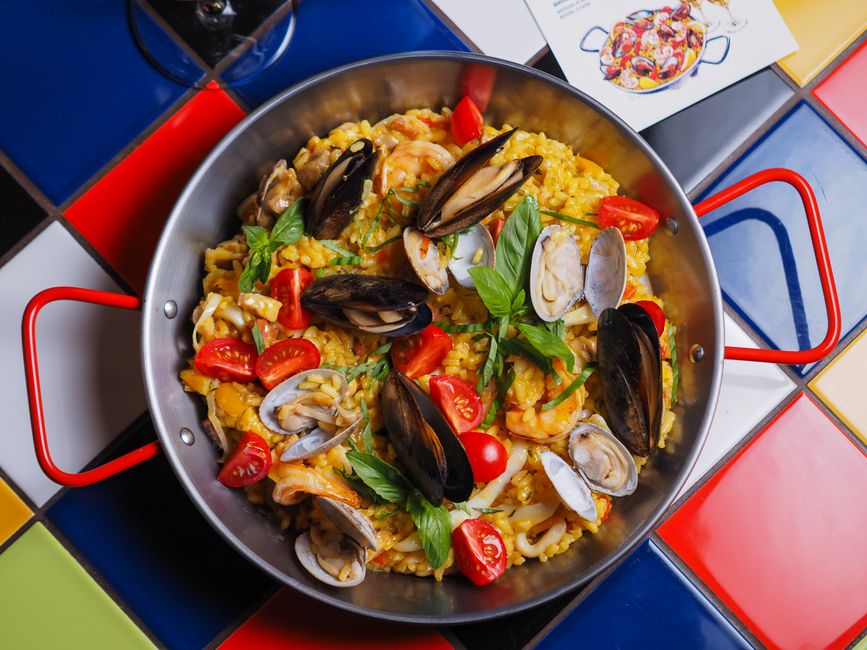
The Mediterranean coastline dictates a strong emphasis on seafood. Fish, whether grilled, baked, pan-fried, or used in stews and paellas, is a regular part of the diet. Sardines, anchovies, sea bass, bream, and tuna are common, often prepared simply to allow their fresh, oceanic flavors to shine. Shellfish, such as mussels, clams, and shrimp, also play a significant role, adding a briny sweetness to pasta dishes, risottos, and appetizers. While meat is consumed, it is generally in moderation. Lamb, particularly in Greek and southern Italian traditions, is a popular choice, often roasted with herbs. Pork features prominently in Spanish charcuterie, such as jamón ibérico. Poultry, like chicken, is also common but less central than fish or legumes. Dairy, primarily in the form of cheese and yogurt, is consumed in moderate amounts. Feta cheese, with its salty tang, is ubiquitous in Greek dishes, while mozzarella and ricotta are staples in Italian cuisine. Yogurt, often plain and unsweetened, is enjoyed as a breakfast item or used in sauces and marinades.
The aromatic backbone of European Mediterranean cuisine is its extensive use of fresh herbs. Basil, with its sweet, slightly peppery flavor, is indispensable in Italian cooking, particularly in pesto and tomato-based sauces. Oregano, with its robust, earthy notes, is a hallmark of Greek and southern Italian dishes, perfect for pizzas, grilled meats, and vegetables. Rosemary, with its piney aroma, pairs beautifully with lamb, potatoes, and roasted vegetables. Thyme offers a delicate, slightly floral scent, enhancing stews, soups, and poultry. Parsley, both flat-leaf and curly, provides a fresh, herbaceous finish to a wide array of dishes. Garlic and onions are fundamental aromatics, forming the flavor base for most savory preparations, their pungent bite mellowing and sweetening with slow cooking.
Bread and grains are another cornerstone. Crusty, artisanal breads, often made with simple ingredients like flour, water, yeast, and salt, are a daily accompaniment to meals, perfect for sopping up sauces and olive oil. Pasta, in its endless varieties, is an iconic Italian staple, ranging from simple spaghetti and penne to intricate shapes like farfalle and orecchiette, often served with rich, flavorful sauces. Rice, particularly in Spain with its famous paellas, is also a significant grain, absorbing the vibrant flavors of saffron, seafood, and vegetables. Couscous, though more prevalent in North African cuisine, also finds its way into some Mediterranean dishes, offering a light and fluffy texture.
Each nation within the European Mediterranean sphere boasts unique culinary signatures, yet they all share an underlying philosophy of fresh, simple, and flavorful food. Spanish cuisine is characterized by its vibrant tapas culture, small plates designed for sharing and sampling a variety of flavors. Dishes like paella, a rice dish cooked in a wide, shallow pan with saffron, vegetables, and seafood or meat, are iconic. Jamón ibérico, the cured ham from acorn-fed Iberian pigs, is a delicacy. Gazpacho, a cold tomato-based soup, is a refreshing staple in the warmer months. Italian cuisine is perhaps the most globally recognized, celebrated for its regional diversity. Northern Italian cuisine often features richer sauces, butter, and risotto, while southern Italian cooking leans towards olive oil, tomatoes, and seafood. Pasta, pizza, gelato, and espresso are world-renowned. Greek cuisine emphasizes fresh vegetables, olive oil, yogurt, and grilled meats. Moussaka, a layered eggplant and minced meat dish, and souvlaki, grilled skewers of meat, are beloved. Fresh salads adorned with feta cheese, olives, and cucumber are common. French Mediterranean cuisine, particularly from Provence, highlights fresh herbs, olive oil, vegetables, and seafood. Ratatouille, a vegetable stew, and bouillabaisse, a rich fish stew, are classic examples.
The Mediterranean diet, as a whole, is renowned for its health benefits. Extensive research has linked it to a reduced risk of cardiovascular disease, improved blood sugar control, and enhanced cognitive function. The emphasis on whole, unprocessed foods, healthy fats from olive oil and fish, and a high intake of fruits, vegetables, and legumes contributes to its nutritional superiority. The lifestyle associated with this cuisine also plays a role, with meals often being social occasions enjoyed at a relaxed pace. This mindful approach to eating, combined with the inherent nutritional value of the ingredients, makes European Mediterranean cuisine more than just a collection of recipes; it is a pathway to a healthier and more enjoyable way of life.
The influence of history and trade has shaped European Mediterranean cuisine over centuries. Ancient civilizations, including the Greeks, Romans, and Phoenicians, established trade routes that facilitated the exchange of ingredients and culinary techniques. The Moorish influence in Spain introduced new spices, fruits like almonds and citrus, and irrigation techniques that transformed agriculture. The Crusades brought further exchange of spices and ingredients. This constant flux of ideas and goods has created a rich and complex culinary heritage. The proximity of different cultures across the sea fostered both competition and collaboration, leading to the adoption and adaptation of dishes and ingredients. The common availability of certain staple crops, like wheat, olives, and grapes, formed the bedrock upon which diverse regional variations were built.
Sustainability is an inherent aspect of European Mediterranean culinary traditions, even if not always explicitly labeled as such. The reliance on seasonal produce meant that diets naturally fluctuated throughout the year, utilizing what was readily available and at its peak freshness. Fishing practices, while evolving, historically aimed to be in balance with marine ecosystems. The philosophy of "cucina povera," or peasant cooking, emphasizes making the most of humble ingredients and minimizing waste. This resourceful approach has contributed to the affordability and accessibility of this cuisine, making it a practical and delicious choice for many. Modern interpretations of European Mediterranean cuisine continue to prioritize these values, with a growing awareness of ethical sourcing and environmental impact.
The culinary landscape of Europe’s Mediterranean coast is a testament to the power of simple ingredients, thoughtful preparation, and a deep connection to the land and sea. From the sun-drenched fields of Italy and Greece to the coastal villages of Spain and France, the shared commitment to fresh, flavorful, and healthy food creates a culinary experience that is both deeply satisfying and globally appreciated. The emphasis on olive oil, vibrant vegetables, abundant seafood, and aromatic herbs forms the foundation of a diet that has been celebrated for its taste and its remarkable health benefits. This enduring culinary tradition, shaped by centuries of history, trade, and cultural exchange, continues to inspire home cooks and professional chefs alike, offering a delicious and nourishing journey for the senses and a blueprint for a balanced lifestyle. The enduring appeal of European Mediterranean cuisine lies in its ability to celebrate the essence of its ingredients, creating dishes that are both comforting and invigorating, a true reflection of the sun-kissed lands and sparkling waters from which they originate. The SEO keywords are integrated throughout: European Mediterranean cuisine, olive oil, fresh vegetables, seafood, herbs, Mediterranean diet, healthy eating, Italian cuisine, Spanish cuisine, Greek cuisine, French cuisine, regional variations, culinary traditions, seasonal produce, sustainability, pasta, rice, legumes.
