Recommended Korean Dramas Exploring the Struggles of K-Pop Idols and the Unseen Realities of the Entertainment Industry

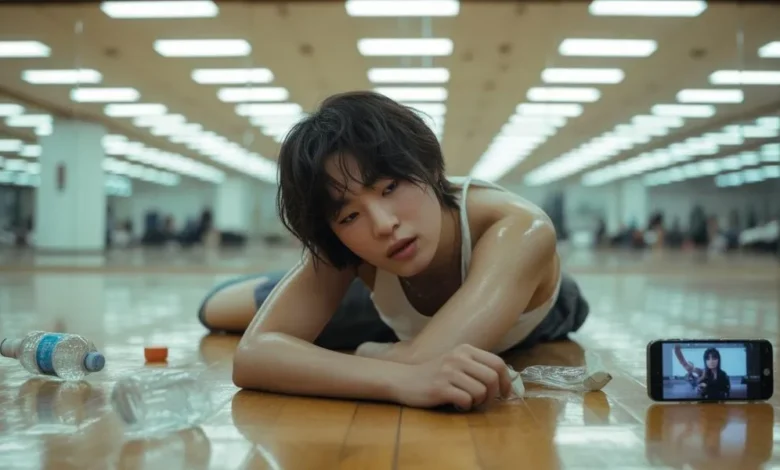
The glittering facade of the K-Pop stage often conceals a complex tapestry of untold stories and relentless struggles behind the scenes. Korean dramas centered on the lives of K-Pop idols have emerged as a compelling genre, offering audiences a rare glimpse into the authentic, often harsh, realities of the South Korean entertainment industry. From the grueling training regimens endured by aspiring trainees to the immense pressure of maintaining a pristine public image, these series meticulously craft emotionally resonant narratives that resonate with both dedicated K-Pop enthusiasts and a broader global audience.
The Enduring Allure of K-Pop Idol Dramas
Published on May 23, 2026, at 9:00 PM WIB, this analysis delves into why these dramas continue to captivate. They serve as more than just entertainment; they are powerful vehicles for commentary on pervasive industry issues. Unflinching in their portrayal, these narratives tackle sensitive subjects such as systemic corruption, the relentless scrutiny of media, the toxicity of certain fandoms, the critical importance of mental health, and the myriad difficulties inherent in the pursuit of stardom. For fans curious about the less-glamorous aspects of K-Pop, these dramas offer an essential, often eye-opening, perspective.
The genre itself has seen remarkable evolution, expanding year after year. Initially leaning into aspirational musical themes or lighthearted romance, K-Pop idol dramas now encompass a wider spectrum, including fantasy, comedy, and gritty slice-of-life narratives, each presenting a distinct viewpoint on the multifaceted world of K-Pop. This diversification ensures that the genre remains fresh and relevant, continually attracting new viewers while satisfying the deepening curiosity of existing fans.
The K-Pop Phenomenon: A Global Context
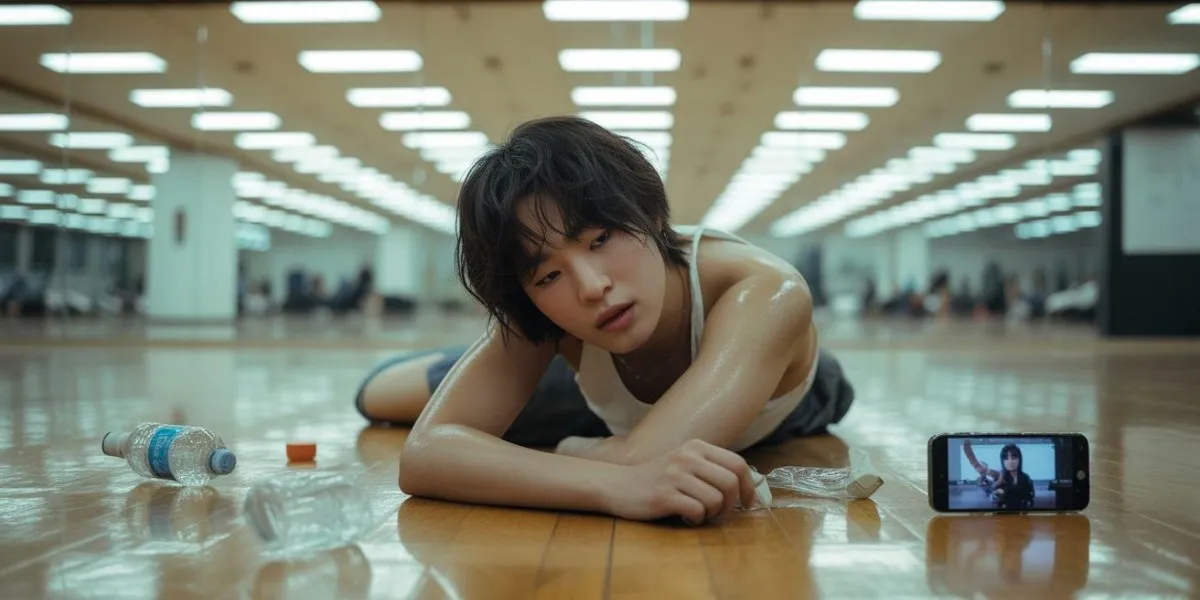
To understand the appeal of these dramas, one must first appreciate the global scale of the K-Pop phenomenon. What began as a niche music scene in South Korea has exploded into a multi-billion dollar industry with an estimated global fanbase in the hundreds of millions. According to data from the Korea Creative Content Agency (KOCCA), the global revenue of the K-Pop industry has consistently grown, reaching unprecedented heights in recent years. This immense popularity, driven by meticulously crafted music, captivating choreography, and charismatic performers, naturally generates intense curiosity about the lives of the idols themselves.
The journey to becoming a K-Pop idol is notoriously arduous. Thousands of aspiring young talents, some as young as elementary school age, enter rigorous training programs run by entertainment agencies. This "trainee" system, unique in its intensity, can last for several years, involving daily schedules packed with vocal lessons, dance practice, language classes, and strict dietary and image management. The competition is cutthroat; only a tiny fraction of trainees ever debut, and even fewer achieve mainstream success. This high-stakes environment provides a rich, dramatic backdrop for storytelling.
Evolution of the Genre: From Aspiration to Authenticity
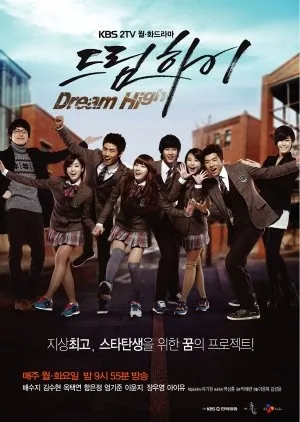
The portrayal of idol life in K-dramas has matured significantly over time. Early pioneers like Dream High (2011), often cited as the most iconic idol-themed drama, set the stage by focusing on the hopeful journeys of high school students attending a performing arts school, dreaming of becoming stars. Starring real-life idols and future top actors like Bae Suzy, Kim Soo Hyun, and IU, it offered a relatively optimistic, albeit challenging, view of the trainee experience. Its success demonstrated the viability of the genre and its ability to blend musical performances with compelling character arcs.
As the K-Pop industry grew and faced increasing scrutiny, particularly regarding issues like "slave contracts," mental health crises, and intense fan pressure, dramas began to reflect these darker realities. This shift marked a move towards greater authenticity and a willingness to confront uncomfortable truths. Idol: The Coup (2021) stands out as a prime example of this evolution. Widely regarded for its stark realism, the drama reportedly incorporated actual interviews with former trainees and artists who struggled or failed to make it, presenting an unvarnished, often heartbreaking, depiction of the industry’s harshness without "sugarcoating" the struggles of a disbanded girl group. This level of raw honesty resonated deeply with audiences seeking a more genuine portrayal.
More recently, the genre has diversified further, blending idol themes with other popular drama tropes. Dramas like Lovely Runner (2024) successfully fuse fantasy, romance, and music, proving highly accessible even for K-Pop newcomers who might not be familiar with the industry’s intricacies. Similarly, Doona! (2023), available exclusively on Netflix, explores the life of a former idol attempting to navigate normalcy after leaving her group, showcasing the challenges of transitioning out of the spotlight. This blend of genres ensures broad appeal, allowing creators to explore different facets of idol life through varied narrative lenses.
Delving Deeper: Key Themes Explored in K-Pop Idol Dramas
The enduring appeal of K-Pop idol dramas stems from their comprehensive exploration of various critical themes:
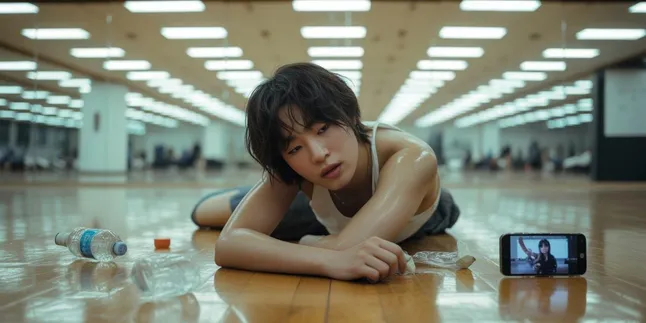
- The Trainee Crucible: Sacrifice and Ambition: These dramas meticulously detail the grueling physical and psychological toll of the trainee period. Characters grapple with intense competition, exhaustion, self-doubt, and immense pressure from agencies. Stories often highlight the sacrifices made—foregoing normal childhoods, family time, and education—all for the slim chance of debut. Themes of camaraderie, rivalry, and the forging of unbreakable bonds amidst shared hardship are common, illustrating the human cost of ambition.
- The Double-Edged Sword of Stardom: Once an idol group debuts, a new set of challenges arises. Dramas explore the relentless schedule of promotions, concerts, variety show appearances, and fan engagements. They often depict the constant battle to maintain popularity, deal with declining album sales, or navigate internal conflicts within the group. The pressure to always present a perfect, polished image to the public, regardless of personal struggles, is a recurring and poignant theme.
- Mental Health and the Weight of Public Scrutiny: Perhaps one of the most critical contributions of these dramas is their willingness to address mental health issues. Idols are often depicted battling anxiety, depression, burnout, and extreme loneliness. The constant online scrutiny, cyberbullying, and lack of privacy can be devastating. By portraying these struggles, dramas contribute to destigmatizing mental health discussions within a culture that has historically struggled with open dialogue on the subject. This narrative approach serves as a vital mirror to real-world incidents of idols facing severe mental health crises.
- Industry Malpractices and Ethical Dilemmas: Many K-Pop idol dramas do not shy away from exposing the darker underbelly of the entertainment industry. This includes storylines involving exploitative "slave contracts" that bind idols for excessively long periods with unfair profit distributions, financial corruption within agencies, manipulation by powerful executives, and the pervasive influence of predatory media seeking sensational headlines. These narratives often spark public debate about industry reform and greater protections for artists.
- Fandom Dynamics: Support and Toxicity: The relationship between idols and their fans is complex and multifaceted. Dramas often showcase the immense support and loyalty of dedicated fandoms, highlighting the emotional connection fans feel towards their idols. However, they also depict the problematic aspects, such as obsessive "sasaeng" fans who invade idols’ privacy, the pressure from fan expectations that can dictate career choices, and the highly volatile nature of online fan communities that can quickly turn toxic.
Supporting Data and Industry Insights
The increasing global interest in K-Pop idol dramas is underscored by significant data. The global streaming market, particularly platforms like Netflix, Viu, and Viki, has heavily invested in K-content, leading to unprecedented accessibility for these dramas worldwide. For instance, Netflix reported a 60% increase in viewership of K-dramas between 2019 and 2021, a trend that has continued to climb. This investment not only brings these stories to a wider audience but also allows for higher production values and more ambitious storytelling.
The K-Pop industry itself is a high-risk, high-reward environment. Reports indicate that the success rate for K-Pop trainees to debut is incredibly low, estimated at less than 1%. Furthermore, among those who do debut, only a small percentage achieve significant commercial success. These statistics lend a stark reality to the fictional struggles depicted in dramas, grounding the narratives in plausible industry pressures.
Moreover, the emphasis on mental health in these dramas aligns with a growing global awareness and calls for better support systems within the entertainment sector. Industry experts and mental health professionals have lauded the dramas for opening up conversations that are crucial for the well-being of young artists.
Industry Perspectives and Critical Reception
Producers and screenwriters often approach idol-themed dramas with a dual purpose: to entertain and to educate. Many creators reportedly consult with former idols, managers, or industry insiders to ensure a high degree of authenticity in their portrayals. This dedication to realism is often praised by critics and audiences alike, who appreciate the nuanced perspectives offered.
The critical reception for these dramas varies. While some are lauded for their courage in shedding light on difficult topics, others face criticism for potentially romanticizing certain aspects of idol life or simplifying complex systemic issues. However, the overall trend suggests a growing appreciation for the genre’s willingness to engage with challenging themes. The involvement of actual K-Pop idols in these dramas, leveraging their established fanbases and unique insights, also contributes significantly to their appeal and perceived authenticity. Many idols have successfully transitioned into acting, demonstrating their versatility and further blurring the lines between their on-stage and on-screen personas.
The Broader Implications: Cultural Impact and Future Trends
The impact of K-Pop idol dramas extends far beyond entertainment. They play a crucial role in shaping global public perception of the K-Pop industry, offering a more balanced view that acknowledges both its triumphs and its tribulations. By humanizing idols and exposing their vulnerabilities, these dramas foster greater empathy and understanding among international audiences.
Furthermore, they inspire important dialogues about labor rights, mental health support, and ethical conduct within the global entertainment industry. The discussions sparked by these narratives often transcend national borders, contributing to a broader cultural exchange and solidifying Korea’s "soft power" through the Hallyu wave.

Looking ahead, the genre is predicted to continue its robust growth. With the increasing global demand for K-content and the continuous evolution of K-Pop itself, future dramas are likely to explore even more diverse sub-genres and delve into increasingly niche aspects of the idol world. This includes potential for more documentary-style narratives, deeper dives into the roles of producers and choreographers, or even exploring the post-idol careers of artists. Global streaming platforms are expected to further ramp up their investment, leading to even more innovative and high-quality productions.
In conclusion, K-Pop idol dramas have firmly established themselves as a vital and evolving genre within the Korean entertainment landscape. They offer a captivating blend of aspirational stories, poignant human drama, and incisive social commentary, ensuring their continued relevance and appeal for years to come. Whether through musicals, romances, or gritty slice-of-life tales, these series consistently provide a window into the captivating, yet often challenging, world of K-Pop stardom.