
Haley Trump Russia Navalny Putin
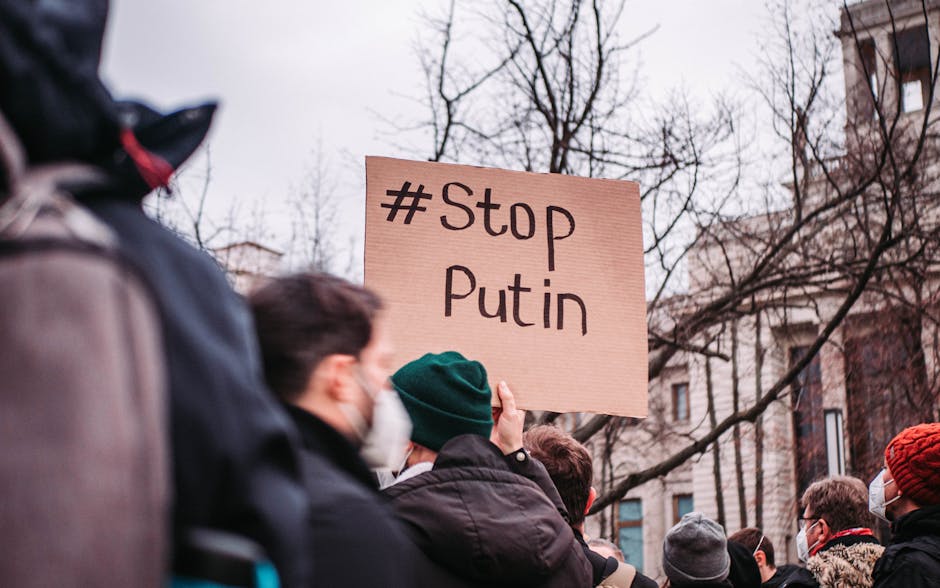
Haley, Trump, Russia, Navalny, Putin: Geopolitical Crossroads and Shifting Alliances
The intersection of these prominent figures – Nikki Haley, Donald Trump, Vladimir Putin, and the late Alexei Navalny – represents a critical juncture in global geopolitics, particularly concerning the complex and often adversarial relationship between the United States and Russia. Their actions, statements, and policies have profoundly influenced international dynamics, from trade and security to democratic aspirations and human rights. Understanding their individual contributions and their collective impact is essential for grasping the current global landscape and predicting future trajectories.
Donald Trump’s presidency (2017-2021) marked a significant departure from traditional American foreign policy, particularly regarding Russia. Trump often expressed admiration for Vladimir Putin, a stance that deviated sharply from the bipartisan consensus in Washington regarding Russia’s assertive actions on the global stage, including its annexation of Crimea and interference in democratic elections. During his tenure, Trump frequently questioned the value of NATO, a cornerstone of Western security and a key bulwark against Russian expansionism. His administration also faced intense scrutiny over alleged Russian interference in the 2016 US presidential election, a controversy that cast a long shadow over US-Russia relations and fueled domestic political division. Trump’s approach was characterized by a transactional view of foreign policy, prioritizing perceived national interests and often expressed through direct, often unconventional, diplomacy. This approach led to a period of uncertainty and flux in US-Russia relations, with unpredictability being a defining feature. His rhetoric often downplayed Russian transgressions, while his administration simultaneously implemented sanctions against Russia, creating a contradictory policy environment. The debate surrounding Trump’s intentions and the actual impact of his policies on Russia remains a subject of ongoing historical and political analysis. His repeated calls for closer ties with Russia, despite intelligence assessments of Russian hostile activities, created significant friction within his own administration and with traditional US allies.
Nikki Haley, a prominent figure within the Republican Party and a former US Ambassador to the United Nations, offered a more traditional and hawkish perspective on Russia and its foreign policy. Throughout her career, Haley consistently condemned Russia’s aggressive actions, advocating for strong sanctions and a robust defense of democratic values. Her tenure at the UN was marked by sharp criticism of Russian policies, particularly its involvement in Syria and its violations of international law. Haley viewed Russia as a significant adversary and consistently pushed for a firm stance against Putin’s regime, aligning more closely with the established foreign policy establishment in Washington. She often articulated a belief in American exceptionalism and the need for the US to lead on the global stage, actively confronting authoritarianism. Her public pronouncements were often critical of Trump’s perceived leniency towards Russia, highlighting a divergence within the Republican Party on foreign policy towards Moscow. Haley’s approach was characterized by a strong emphasis on alliances, international institutions, and a clear delineation between democratic and authoritarian systems. She consistently supported Ukraine and other nations threatened by Russian aggression, advocating for increased military and diplomatic support. Her policy prescriptions generally involved a more proactive and interventionist foreign policy aimed at countering Russian influence and promoting democracy globally.
Alexei Navalny, the charismatic and fearless Russian opposition leader, embodied the struggle for democracy and human rights within Russia. For years, Navalny tirelessly campaigned against corruption and authoritarianism, galvanizing public opposition to Vladimir Putin’s regime. His activism, often conducted at great personal risk, exposed the deep-seated corruption within the Russian government and challenged Putin’s narrative of stability and legitimacy. Navalny’s poisoning in August 2020, and subsequent arrest and imprisonment upon his return to Russia, drew widespread international condemnation and highlighted the brutal suppression of dissent in Putin’s Russia. His unwavering commitment to democratic ideals, even in the face of extreme adversity, made him a potent symbol of resistance. His bravery in the face of relentless persecution by the Russian state made him an international icon of dissent. Navalny’s efforts to document and expose corruption within the Russian elite resonated with many Russians who felt disenfranchised and unheard. His work provided concrete evidence of the vast wealth amassed by those close to Putin, further eroding public trust in the government. The international community, including figures like Nikki Haley, frequently cited Navalny’s plight as a stark example of Putin’s authoritarianism and the urgent need for accountability. His imprisonment and eventual death in February 2024 served as a tragic testament to the dangers faced by those who dare to challenge the Kremlin.
Vladimir Putin, the long-serving leader of Russia, has systematically consolidated power and pursued an assertive foreign policy aimed at restoring Russia’s perceived global standing. His tenure has been marked by a crackdown on domestic dissent, a revival of Soviet-era geopolitical ambitions, and a direct challenge to the post-Cold War international order. Putin views the expansion of NATO eastward as a direct threat to Russian security and has responded with military interventions in Georgia, Ukraine, and a broader strategy of destabilization in neighboring countries. His government has been accused of widespread human rights abuses, political assassinations, and cyber warfare targeting democratic nations. Putin’s narrative often portrays Russia as a victim of Western aggression, seeking to reclaim its rightful place on the world stage. He has skillfully exploited divisions within Western alliances and leveraged Russia’s energy resources to exert influence. His strategic thinking is often characterized by a long-term perspective, a willingness to take calculated risks, and a deep understanding of geopolitical leverage. Putin’s consolidation of power has been facilitated by his control over state media, suppression of independent journalism, and the co-option of powerful economic and security elites. His foreign policy aims to challenge US hegemony and create a multipolar world order where Russia holds significant sway.
The interplay between these figures and their respective approaches to Russia has shaped critical foreign policy decisions and international discourse. Trump’s unconventional engagement with Putin, characterized by a willingness to overlook human rights abuses and democratic backsliding, contrasted sharply with Haley’s more traditional and confrontational stance. While Trump’s administration often pursued sanctions against Russia, his personal rhetoric and approach fostered an environment of ambiguity, which some analysts believe emboldened Putin. Haley, on the other hand, consistently advocated for a stronger, unified Western front against Russian aggression, aligning with the concerns of many European allies.
The tragic fate of Alexei Navalny underscored the stark reality of Putin’s authoritarianism and served as a critical focal point for international criticism. Haley, in particular, frequently used Navalny’s case to highlight the human rights deficit in Russia and to advocate for increased international pressure on the Kremlin. Trump’s response to Navalny’s death was notably muted, further highlighting the divergent paths taken by different factions within American politics regarding Russia.
The ongoing conflict in Ukraine, initiated by Russia’s full-scale invasion in February 2022, has become the ultimate manifestation of the geopolitical tensions embodied by these figures. Putin’s decision to invade Ukraine, a sovereign nation with aspirations for closer ties with the West, has been met with widespread condemnation and significant sanctions from a coalition of Western nations, largely led by the United States and its European allies. Haley has been a vocal proponent of unwavering support for Ukraine, advocating for increased military aid and stricter sanctions against Russia. Trump’s position on the Ukraine war has been more ambiguous, often suggesting that the conflict would have been avoided under his leadership and expressing skepticism about the extent of US involvement. This divergence in approaches reflects a deeper ideological divide within the US regarding its role in the world and its response to authoritarian aggression.
The legacy of these individuals and their interactions with Russia will continue to shape international relations for years to come. The debate over how to best counter Russian influence, support democratic movements, and uphold international law remains a central challenge. Whether through direct confrontation, diplomatic engagement, or a combination of strategies, the decisions made by leaders like Trump and Haley, and the unwavering courage of figures like Navalny in the face of oppression, will continue to influence the complex and ever-evolving relationship between the West and Russia. The enduring impact of Putin’s policies and his vision for Russia’s role on the global stage will undoubtedly remain a defining feature of 21st-century geopolitics. The strategic implications of this dynamic are vast, impacting global energy markets, international security architectures, and the future of democratic governance worldwide. The economic ramifications of sanctions, the humanitarian cost of conflict, and the long-term consequences for international law and norms are all intertwined with the actions and ideologies of these key players. The ongoing struggle for influence and the clash of values between democratic aspirations and authoritarian ambitions will continue to define the geopolitical landscape, making the study of these figures and their interactions indispensable for understanding our contemporary world.
