
Mexican Rice And Beans 2
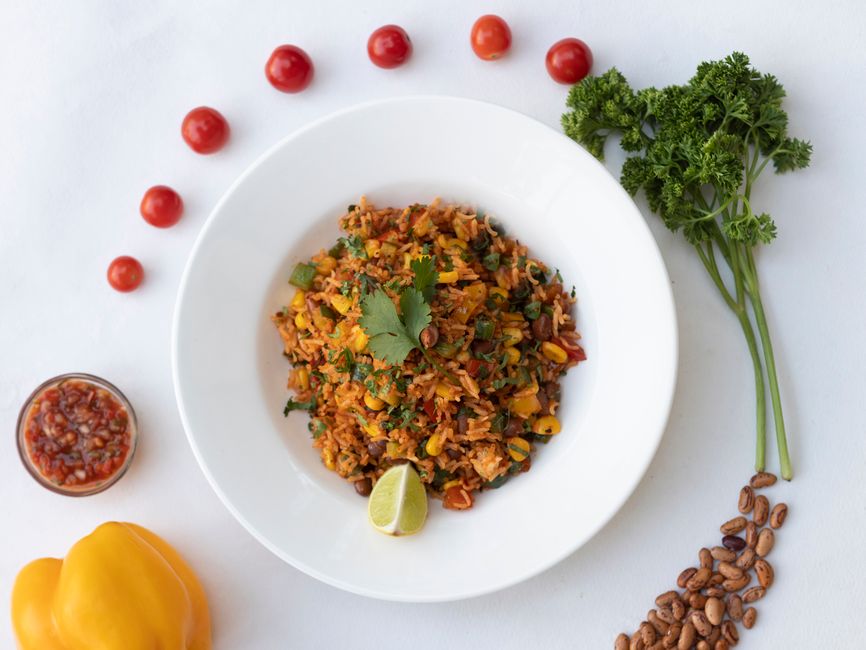
Mexican Rice and Beans: A Culinary Cornerstone
Mexican rice, a staple of Mexican cuisine, is far more than just a side dish; it’s a foundational element that complements countless meals and embodies the heart of home cooking. Known as arroz rojo or arroz a la Mexicana in its homeland, this vibrant, flavorful rice dish is characterized by its distinct red hue, achieved through the careful incorporation of tomatoes, and its savory depth. While seemingly simple, mastering Mexican rice involves understanding key techniques and ingredient ratios that elevate it from plain rice to a culinary masterpiece. Its versatility allows it to be a humble accompaniment to tacos, enchiladas, and chiles rellenos, or to be the star of a vegetarian plate, often paired with refried beans. The science behind its perfect texture lies in the toasting of the rice grains before cooking, which creates a protective coating, allowing each grain to absorb moisture independently, preventing a mushy outcome. This toasting process, combined with aromatics like onion and garlic, builds a complex flavor profile that is both comforting and deeply satisfying. The typical ingredients include long-grain white rice, vegetable or chicken broth, tomato sauce or purée, onion, garlic, and often a touch of cumin for its earthy warmth. The visual appeal, with its flecks of finely diced vegetables and the rich red color, is as enticing as its aroma, making it an integral part of any authentic Mexican dining experience. Understanding the nuances of arroz rojo is crucial for anyone seeking to replicate the true flavors of Mexico in their own kitchen, offering a gateway to a world of culinary exploration.
The accompanying Mexican beans, a critical partner to rice, are equally essential to the country’s culinary identity. Primarily, this refers to frijoles refritos (refried beans), a dish where cooked beans are mashed and then fried, creating a creamy, rich, and incredibly satisfying texture. The term "refried" doesn’t imply a second frying in the traditional sense, but rather a thorough mashing and subsequent cooking in fat, often lard or oil. The most common beans used are pinto beans, known for their creamy texture when cooked and mashed, though black beans are also frequently utilized, offering a slightly different flavor profile and a darker hue. The preparation of refried beans is an art form. The beans are first cooked until exceptionally tender, then mashed, either by hand with a potato masher or through a food mill for a smoother consistency, or even puréed in a blender for a silken finish. The mashed beans are then sautéed in hot fat with finely chopped onion and garlic, absorbing the savory notes and developing a depth of flavor that is unparalleled. A splash of the bean cooking liquid, or broth, is often added to achieve the desired creamy consistency. Seasoning is paramount; salt is essential, and a pinch of cumin or a touch of chili powder can add further complexity. The finished product is a thick, spoonable paste, perfect for scooping with tortilla chips, as a filling for burritos and quesadillas, or, most importantly, as the quintessential partner to Mexican rice, creating a complete and satisfying meal. The symbiotic relationship between Mexican rice and beans forms the bedrock of numerous popular dishes and represents a significant aspect of Mexican culinary heritage, embodying simplicity, flavor, and nutritional value.
The preparation of authentic Mexican rice begins with the careful selection and preparation of ingredients. The foundation is long-grain white rice, such as Jasmine or Basmati, which holds its shape well and absorbs flavors without becoming clumpy. The rice must be rinsed thoroughly under cold water until the water runs clear. This crucial step removes excess starch, preventing the rice from becoming gummy during the cooking process. After rinsing, the rice is drained completely and allowed to air dry for a few minutes, ensuring it’s not wet when it hits the hot oil. The primary coloring and flavoring agent is tomato. This can be in the form of tomato sauce, tomato purée, or even finely blended fresh tomatoes. For a richer flavor and deeper color, a combination is often preferred. Finely diced yellow or white onion and minced garlic are essential aromatics, providing a savory base. Chicken or vegetable broth is used in place of water for a more robust flavor. Seasoning typically includes salt, and for a signature touch, ground cumin adds an earthy, warm undertone. Some recipes also incorporate a bay leaf for subtle fragrance and a small amount of finely diced jalapeño or serrano pepper for a gentle kick. The process begins by heating oil (vegetable, canola, or even lard for a traditional flavor) in a heavy-bottomed pot or Dutch oven over medium-high heat. Once shimmering, the rinsed and drained rice is added. The rice is then sautéed, stirring frequently, until it turns a pale golden brown. This toasting step is critical as it seals the grains, allowing them to cook individually and achieve a fluffy texture. The aromatics – onion and garlic – are added during the last minute or two of toasting, allowing them to soften and release their fragrance without burning. Once the rice is toasted and the aromatics are fragrant, the tomato component is added, along with the broth and spices. The mixture is brought to a boil, then the heat is reduced to low, the pot is covered tightly, and the rice is allowed to simmer undisturbed for 15-20 minutes, or until all the liquid is absorbed and the rice is tender. A crucial final step is to let the rice steam, covered, off the heat for another 5-10 minutes. This allows the residual moisture to evenly distribute and ensures a perfectly cooked, fluffy rice. Fluffing with a fork before serving introduces air and separates the grains.
The preparation of Mexican refried beans, particularly frijoles refritos de olla (refried beans cooked from dried beans), is a labor of love that yields unparalleled flavor. The process begins with dried pinto beans, though black beans are also a popular choice. The beans must be picked over to remove any small stones or debris and then rinsed thoroughly. Soaking the beans overnight is a traditional and highly recommended step. This rehydrates the beans, significantly reducing their cooking time and making them more digestible. After soaking, the beans are drained and rinsed again. They are then placed in a large pot with plenty of fresh water, enough to cover them by at least two inches. Aromatics such as a quartered onion, a few cloves of garlic, and a bay leaf are often added to the cooking water for a subtle infusion of flavor. Some cooks also add a piece of salt pork or a piece of epazote, a fragrant herb indigenous to Mexico, which is believed to aid digestion and impart a unique flavor. The beans are brought to a boil, then the heat is reduced to a simmer, and they are cooked, uncovered or partially covered, until they are exceptionally tender and easily mashed. This can take anywhere from 1.5 to 3 hours, depending on the age and freshness of the beans. During the last 30 minutes of cooking, salt is added; adding salt too early can toughen the beans. Once the beans are tender, the cooking liquid is reserved, and the beans are drained. The classic method for mashing involves using a comal (a flat griddle) or a heavy-bottomed skillet. Fat is heated in the skillet – traditionally lard, but vegetable oil or even a combination is common. Finely diced onion and garlic are sautéed until softened and translucent. The cooked beans are then added to the skillet. Using a potato masher or a specialized bean masher, the beans are thoroughly mashed. This is where the "refried" aspect comes in; the beans are repeatedly mashed and stirred, coating them in the fat and allowing them to cook down. The reserved cooking liquid is added gradually, a few tablespoons at a time, to achieve the desired creamy consistency. The beans are cooked until they thicken and begin to pull away from the sides of the pan, resembling a thick paste. Seasoning with salt to taste is paramount. Some variations include a pinch of cumin or a small amount of chopped cilantro for added freshness. The goal is a creamy, flavorful, and slightly rustic texture, not a completely smooth purée.
The synergy between Mexican rice and beans is a cornerstone of Mexican cuisine, forming the basis for numerous beloved dishes. The classic pairing of arroz rojo with frijoles refritos is a meal in itself, providing a complete protein source and a symphony of textures and flavors. This simple combination is often served as a side to more elaborate main courses like grilled meats (carne asada), enchiladas, tacos, and tamales. The fluffy, slightly savory rice soaks up the richness of the beans, while the creamy beans provide a comforting counterpoint to the individual grains of rice. Beyond being a simple side, this dynamic duo is the foundation for many popular Mexican dishes. Consider the humble yet satisfying burrito: a warm tortilla generously filled with rice, refried beans, and often cheese, meat, or vegetables. The rice and beans provide a substantial and flavorful base that binds the other ingredients together. Similarly, quesadillas are elevated when rice and beans are included as part of the filling alongside cheese and other ingredients. Tostadas, crispy fried tortillas, are often layered with refried beans, rice, lettuce, salsa, and crema, showcasing the versatility of this essential pairing. For a heartier meal, bandera mexicana (Mexican flag) is a visually striking presentation featuring a scoop of Mexican rice, a mound of refried beans, and a dollop of guacamole or pico de gallo, representing the colors of the Mexican flag. Moros y Cristianos, a Cuban dish with Spanish origins, is a direct descendant of this pairing, featuring black beans cooked with rice and spices. In essence, Mexican rice and beans are not merely components; they are a culinary philosophy. Their affordability, nutritional value, and adaptability have made them a staple across social strata in Mexico and a beloved staple in Mexican restaurants worldwide. They embody the essence of Mexican comfort food, offering a taste of home and tradition with every bite.
SEO Keywords: Mexican rice, arroz rojo, arroz a la Mexicana, refried beans, frijoles refritos, pinto beans, black beans, Mexican cuisine, Mexican food, side dish, vegetarian, vegan, comfort food, culinary staple, easy recipe, authentic Mexican, how to make Mexican rice, how to make refried beans, Mexican food blog, Mexican food recipes, national dish, staple food, protein source, texture, flavor, aroma, cooking techniques, ingredient ratios, Hispanic cuisine, Latin American food.
