
Old Fashioned Chocolate Fudge
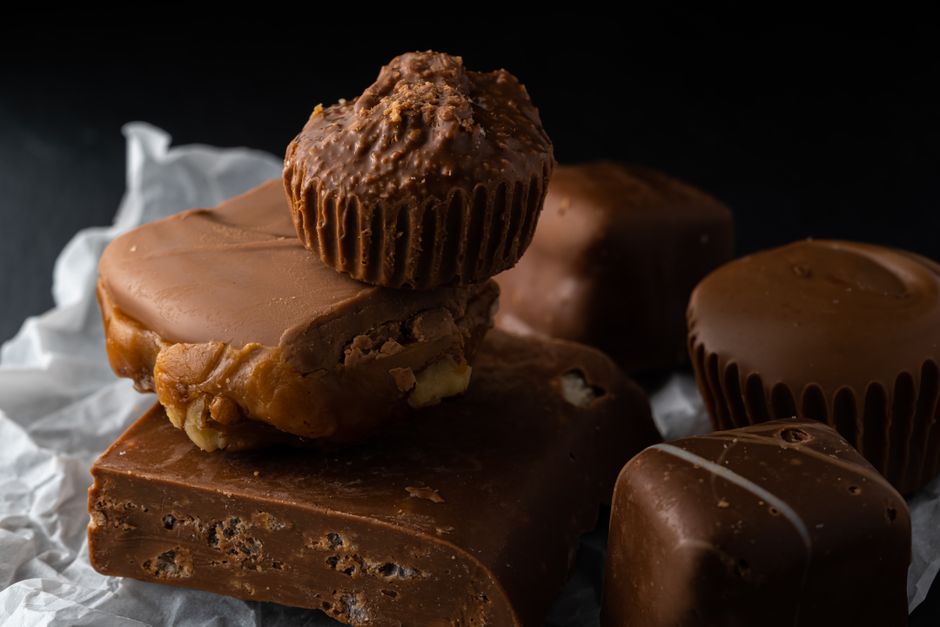
Old Fashioned Chocolate Fudge: A Timeless Classic, Perfected
The allure of old-fashioned chocolate fudge transcends generations. This rich, dense, and intensely chocolatey confection, once a staple of grandmother’s kitchens and holiday candy dishes, continues to captivate palates with its simple yet profound flavor. Unlike mass-produced candies, homemade fudge embodies a handcrafted charm, a testament to patience and the magic of combining a few fundamental ingredients into something truly extraordinary. This article delves deep into the world of old-fashioned chocolate fudge, exploring its origins, the science behind its perfect texture, essential ingredients, fundamental techniques for success, variations, troubleshooting common issues, and its enduring appeal as a beloved treat.
The historical roots of chocolate fudge are somewhat debated, but its emergence is generally placed in the late 19th century in the United States. Often attributed to accidental batches of caramel or brittle that "went wrong," early fudge recipes were likely developed by home cooks experimenting with sugar, butter, and chocolate. The name itself, "fudge," is thought to derive from the idea of a baker "fudging" or improvising a recipe, leading to this delightful discovery. Its popularity surged with the rise of home economics education and the increasing availability of chocolate and sugar in American households. From its humble beginnings, fudge has evolved into a culinary icon, a comforting reminder of simpler times and a beloved indulgence for all ages. Its enduring presence in recipe books, craft fairs, and family gatherings speaks volumes about its timeless appeal.
Achieving the characteristic creamy, melt-in-your-mouth texture of old-fashioned chocolate fudge is a delicate dance of sugar crystallization. The key lies in controlling the cooking temperature and the subsequent cooling process. Fudge is essentially a semi-sweet confection made by boiling sugar, butter, and milk (or cream) to a specific temperature, typically between 234°F and 240°F (112°C and 115°C). This temperature range corresponds to the "soft ball" stage. At this stage, when a small amount of the syrup is dropped into cold water, it forms a soft, pliable ball that flattens when removed from the water. This precise temperature is critical because it dictates the amount of water remaining in the sugar syrup. Too low a temperature, and the fudge will be too soft and sticky. Too high a temperature, and the fudge will be too hard and brittle, akin to hard candy. The magic of fudge texture is further enhanced by the process of "creaming" or "beating" the cooked syrup as it cools. This controlled agitation encourages the formation of very small sugar crystals, preventing the development of large, gritty crystals. These tiny crystals are what give fudge its characteristic smooth, velvety mouthfeel. The fat from the butter and chocolate also plays a crucial role, coating these sugar crystals and contributing to the richness and creaminess.
The foundation of exceptional old-fashioned chocolate fudge rests on the quality of its core ingredients. For the chocolate component, pure unsweetened cocoa powder is the traditional choice for many classic recipes. Dutch-processed cocoa powder, which has been treated with an alkali to neutralize its acidity, offers a smoother, less bitter flavor and a deeper, darker color than natural cocoa powder. Both can yield delicious results, but Dutch-processed is often favored for its refined profile. Some recipes also incorporate chopped or melted semi-sweet or bittersweet chocolate for an even more intense chocolate flavor and a slightly fudgier consistency. High-quality butter is indispensable. Unsalted butter is generally preferred to allow for precise control over the salt content, which enhances the sweetness and chocolate notes. Evaporated milk or heavy cream are commonly used as the liquid base. Evaporated milk provides a concentrated milk flavor and contributes to the fudge’s density, while heavy cream adds a luxurious richness and a silkier texture. Granulated sugar provides the sweetness and forms the crystalline structure. A pinch of salt is essential to balance the sweetness and amplify the chocolate flavor. Finally, vanilla extract is typically added at the end of the cooking process to impart its warm, aromatic notes, which complement the chocolate beautifully. Some recipes may also include a touch of corn syrup, which acts as a humectant, helping to prevent sugar crystallization and contributing to a smoother texture.
Mastering the technique for creating old-fashioned chocolate fudge involves a series of precise steps. First, prepare your baking pan by lining it with parchment paper or aluminum foil, leaving an overhang on the sides for easy removal. Grease the lining lightly with butter or cooking spray. In a heavy-bottomed saucepan, combine the sugar, cocoa powder (if using), butter, and evaporated milk or cream. Stir until the butter is melted and the cocoa powder is dissolved. Place the saucepan over medium heat, stirring constantly. Bring the mixture to a boil, then reduce the heat to maintain a gentle simmer. Attach a candy thermometer to the side of the pan, ensuring the bulb is submerged in the syrup but not touching the bottom. Continue to cook, stirring occasionally, until the mixture reaches the soft ball stage, precisely 234°F to 238°F (112°C to 114°C). This temperature is crucial for the correct texture. Once the target temperature is reached, immediately remove the pan from the heat. Crucially, do not stir the mixture after removing it from the heat until it has cooled sufficiently. Allow the mixture to cool undisturbed on the stovetop or in a warm place until it reaches approximately 110°F to 120°F (43°C to 49°C). This cooling period is essential for allowing the sugar crystals to start forming. Once cooled to the appropriate temperature, add the vanilla extract and any optional ingredients like chopped nuts or chocolate chips. Now, begin to beat the fudge vigorously with a wooden spoon or a stand mixer fitted with the paddle attachment. Continue beating until the mixture starts to lose its gloss and thicken significantly, taking on a duller appearance. This process can take anywhere from 5 to 15 minutes, depending on the method and ambient temperature. The fudge is ready when it becomes too thick to beat easily. Promptly spread the fudge into the prepared pan, smoothing the top with an offset spatula. Allow the fudge to cool completely at room temperature, which can take several hours. Once firm, lift the fudge out of the pan using the parchment paper overhang and cut it into squares using a sharp knife.
The beauty of old-fashioned chocolate fudge lies in its inherent versatility, allowing for numerous delicious variations. The inclusion of nuts is a classic addition, with walnuts and pecans being the most popular choices. They add a delightful crunch and nutty flavor that complements the rich chocolate. For a more decadent experience, chocolate chips can be stirred in during the beating stage, creating pockets of melted chocolate throughout the fudge. Espresso powder or instant coffee dissolved in a small amount of hot water can be added to the hot syrup to create a mocha-flavored fudge, amplifying the chocolate’s depth. A touch of cinnamon or a pinch of cayenne pepper can introduce a subtle warmth and spice. For those who enjoy a more complex flavor profile, a tablespoon or two of good quality rum, bourbon, or Irish cream liqueur can be stirred in along with the vanilla extract. Swirls of caramel or peanut butter can also be incorporated by gently swirling them into the fudge before it sets. Even the type of chocolate used can be varied; for a darker, more intense flavor, a higher percentage of cocoa solids in the added chocolate can be employed. These variations allow for endless personalization, catering to a wide range of taste preferences and occasions.
Despite meticulous adherence to recipes, fudge-making can sometimes present challenges. One of the most common issues is gritty fudge. This is almost always due to the formation of large sugar crystals. It can occur if the sugar is stirred during the boiling stage (which can encourage premature crystallization) or if the fudge is cooled too quickly or agitated too vigorously during the cooling process before beating. Ensure accurate temperature measurement and avoid stirring while boiling. Another problem is soft or overly sticky fudge. This usually indicates that the fudge was not cooked to a high enough temperature. The soft ball stage needs to be precise. Conversely, hard or brittle fudge suggests it was cooked too long or to too high a temperature. Always use a reliable candy thermometer and calibrate it if necessary. Uneven texture can sometimes result from insufficient or inconsistent beating. Ensure you beat until the fudge visibly thickens and loses its sheen. If the fudge seems to be separating or looks greasy, it might be due to over-stirring or the butter separating from the sugar mixture. This can sometimes be salvaged by carefully reheating very gently and then beating again, but it’s often a sign of a problematic batch. Sugar crystallization during storage can also occur. Properly cooled and stored fudge in an airtight container at cool room temperature will minimize this.
The enduring appeal of old-fashioned chocolate fudge stems from a combination of factors. Its rich, uncomplicated flavor is universally loved. The act of making fudge from scratch is a rewarding experience, fostering a sense of accomplishment and connection to culinary traditions. It evokes nostalgia, reminding people of cherished childhood memories and the warmth of family gatherings. The visual appeal of its deep, dark color and the satisfying heft of a well-made square are also significant. Fudge is a perfect gift, conveying thoughtfulness and homemade care. Its portability and shelf stability make it ideal for sharing at parties, bake sales, or as a sweet treat to enjoy anytime. In a world of increasingly complex confections, the honest simplicity and profound deliciousness of old-fashioned chocolate fudge continue to hold a special place in our hearts and on our dessert tables. It is a testament to the power of a few high-quality ingredients, carefully prepared, to create a timeless classic that never goes out of style. Its ability to evoke comfort, joy, and pure indulgence solidifies its status as a beloved and irreplaceable treat.
