
Quick Beef Stir Fry
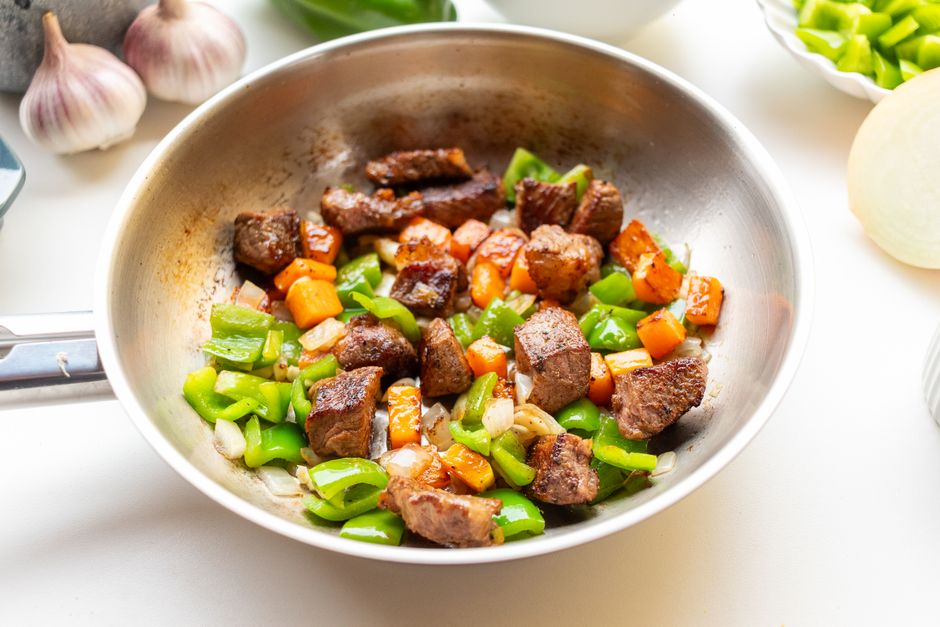
Quick Beef Stir Fry: A Weeknight Champion for Flavor and Speed
The allure of a quick beef stir fry lies in its inherent versatility and remarkable speed, making it an ideal solution for busy weeknights. This culinary technique, originating from East Asia, masterfully combines thinly sliced protein with a vibrant medley of vegetables and a savory sauce, all cooked at high heat for maximum flavor and minimal time. The foundation of any successful quick beef stir fry rests on two critical elements: tenderizing the beef and preparing all ingredients for rapid assembly. Opting for a naturally tender cut of beef, such as flank steak, sirloin, or skirt steak, is paramount. These cuts, when sliced against the grain, break down connective tissues, ensuring a melt-in-your-mouth texture. Marinating the beef, even for a short period, significantly enhances its tenderness and infuses it with flavor. A simple marinade comprising soy sauce, cornstarch, a touch of sesame oil, and perhaps a pinch of sugar or a splash of rice wine, acts as a tenderizer and a flavor carrier. The cornstarch, in particular, plays a dual role, coating the beef and creating a velvety texture during the stir-frying process, while also helping the marinade adhere. Prepping all vegetables – washing, chopping, and having them within easy reach – is another non-negotiable step. The cooking process itself is a whirlwind, demanding swift movements and precise timing. A screaming hot wok or a large, heavy-bottomed skillet is essential. The high heat is what sears the beef quickly, locking in its juices and developing a delicious char, while also ensuring the vegetables remain crisp-tender, retaining their vibrant colors and nutritional value. Overcrowding the pan is a cardinal sin in stir-frying; it lowers the temperature, leading to steaming rather than searing, resulting in soggy ingredients. Cook in batches if necessary to achieve optimal results.
Choosing the Right Beef Cut for Your Quick Stir Fry
The success of a quick beef stir fry hinges significantly on the selection of the appropriate beef cut. For speed and tenderness, cuts that are naturally lean and have minimal connective tissue are preferred. Flank steak, renowned for its deep beefy flavor and affordability, is a perennial favorite. When sliced thinly against the grain, its muscle fibers separate easily, resulting in a tender bite. Sirloin, including top sirloin and bottom sirloin, offers a good balance of flavor and tenderness. It’s generally less expensive than premium cuts like filet mignon, making it an economical choice for regular stir-fries. Skirt steak, with its distinctive grain and rich flavor, is another excellent option. Its slightly coarser texture is offset by its intense beefiness, and when sliced correctly, it becomes wonderfully tender. While less common for quick stir-fries due to their higher fat content and need for longer cooking times, more economical cuts like chuck eye steak or even some leaner portions of brisket can be used if properly tenderized through marinating and cut meticulously against the grain. However, for the quintessential quick beef stir fry experience, prioritizing flank, sirloin, or skirt steak will yield the most satisfying results in the shortest amount of time. The thickness of the slices is also crucial; aim for uniform, thin slices, typically no more than ¼ inch thick. This ensures even cooking and prevents the beef from becoming tough or chewy. Employing a very sharp knife and partially freezing the beef for about 15-20 minutes before slicing can make this task significantly easier and more precise, leading to consistent results every time.
Mastering the Beef Marinade for Ultimate Tenderness and Flavor
A well-executed beef marinade is the secret weapon in achieving a tender and flavorful quick beef stir fry. The primary goals of the marinade are to tenderize the beef and imbue it with delicious savory notes. The foundation of most effective stir-fry marinades typically includes a liquid base, an acid or enzyme, a tenderizer, and flavor enhancers. Soy sauce is an almost indispensable component, providing a salty, umami-rich base. For a more complex flavor profile, consider using a blend of soy sauce and tamari (for a gluten-free option) or even a splash of Worcestershire sauce. Cornstarch is a magical ingredient in stir-fry marinades. It not only helps to thicken the sauce during cooking but also acts as a protein tenderizer by creating a protective coating around the beef fibers, preventing them from drying out and becoming tough. A general ratio is 1 tablespoon of cornstarch per pound of beef. An acidic component, such as rice vinegar, Shaoxing wine (Chinese cooking wine), or even a squeeze of lime or lemon juice, can help to break down tough muscle fibers. Shaoxing wine, in particular, adds a depth of flavor that is characteristic of authentic Chinese cuisine. A touch of sweetness is often incorporated to balance the savory notes and promote caramelization. Honey, brown sugar, or even a sprinkle of white sugar can be used. For added aromatic complexity, ingredients like minced garlic, grated fresh ginger, and a dash of white pepper are commonly included. Sesame oil, added towards the end of the marinating process, contributes a distinct nutty aroma and flavor. A minimum marinating time of 15 to 30 minutes is recommended for quick beef stir fry. However, for even better results, marinating for up to an hour in the refrigerator will further enhance tenderness and flavor penetration. Avoid marinating for excessively long periods with acidic ingredients, as this can turn the beef mushy.
Essential Vegetables for a Vibrant and Nutritious Stir Fry
The beauty of a quick beef stir fry lies in its ability to accommodate a diverse array of vegetables, transforming it into a nutritious and visually appealing meal. The key to incorporating vegetables successfully is to choose those that cook quickly and retain their appealing crispness and vibrant colors. Broccoli florets are a classic for a reason; they offer a satisfying crunch and absorb flavors beautifully. Bell peppers, in various colors (red, yellow, orange, green), add sweetness, a slight peppery note, and a burst of color. Snow peas and snap peas contribute a delightful crisp texture and a fresh, sweet flavor. Mushrooms, such as shiitake, cremini, or button mushrooms, add an earthy depth and a meaty texture. Onions, particularly red or yellow onions, provide a pungent sweetness that mellows during cooking. Carrots, thinly sliced or julienned, add a touch of sweetness and a vibrant orange hue, though they require slightly longer cooking. For a touch of heat and a distinct flavor, jalapeños or other chili peppers can be included. Tender leafy greens like bok choy, spinach, or kale can be added in the final stages of cooking, wilting quickly and adding nutrients. The preparation of these vegetables is as crucial as their selection. Uniformity in size and thickness ensures even cooking. Harder vegetables like carrots and broccoli should be cut smaller or blanched briefly before stir-frying to ensure they cook at the same rate as softer vegetables like peppers and mushrooms. Aim for a balance of textures and colors for a visually appealing and gastronomically satisfying stir fry.
Crafting the Perfect Stir Fry Sauce: The Flavor Powerhouse
The sauce is the soul of any stir fry, bringing together all the individual components into a harmonious symphony of flavors. A quick and effective stir fry sauce typically balances savory, sweet, sour, and sometimes spicy elements. The base is almost always soy sauce, providing the essential salty and umami foundation. To this, you’ll typically add a liquid sweetener like honey, brown sugar, or maple syrup to round out the sharp savory notes and promote caramelization. Rice vinegar or a splash of lime juice introduces a bright, acidic counterpoint that cuts through richness and balances sweetness. Shaoxing wine or dry sherry adds a layer of complexity and depth, characteristic of authentic Asian stir-fries. For thickening, cornstarch is again the go-to ingredient, creating a glossy, clinging sauce that coats the beef and vegetables. A slurry of cornstarch mixed with a small amount of cold water or broth is usually added towards the end of cooking. Flavor enhancers are where personal preference and regional variations come into play. Minced garlic and grated fresh ginger are almost mandatory for their aromatic punch. A dash of sesame oil, added at the very end, imparts its distinctive nutty aroma. For a touch of heat, red pepper flakes, sriracha, or a thinly sliced chili pepper can be incorporated. Other additions can include oyster sauce for added richness and umami, hoisin sauce for a sweet and savory complexity, or even a touch of peanut butter for a creamy, nutty dimension. A common and highly effective quick stir fry sauce ratio involves: 4 tablespoons soy sauce, 2 tablespoons rice vinegar, 1 tablespoon honey or sugar, 1 tablespoon Shaoxing wine, 1 teaspoon grated ginger, 1 clove minced garlic, and 1 teaspoon cornstarch mixed with 2 tablespoons water. Whisk all ingredients (except the cornstarch slurry) together in a small bowl and have it ready before you begin cooking.
The High-Heat, High-Speed Cooking Technique: Mastering the Stir Fry
The essence of a quick beef stir fry lies in its rapid cooking method, which relies on extremely high heat and constant movement. This technique, known as stir-frying, is designed to cook ingredients quickly, preserving their texture, color, and nutritional value. A wok is the traditional and most effective vessel for stir-frying due to its rounded shape and ability to distribute heat evenly and intensely. If a wok is not available, a large, heavy-bottomed skillet or a cast-iron pan will suffice. The key is to ensure the pan is screaming hot before adding any ingredients. This searing heat is crucial for achieving a proper sear on the beef, locking in juices and creating a desirable char. Oil with a high smoke point, such as peanut oil, canola oil, or grapeseed oil, should be used. Add a small amount of oil to the hot pan and swirl to coat the bottom.
The cooking process unfolds in a rapid sequence:
- Sear the Beef: Add the marinated beef in a single layer to the hot pan. Avoid overcrowding, as this will lower the pan’s temperature and cause the beef to steam rather than sear. Cook for 1-2 minutes per side, or until nicely browned. Remove the beef from the pan and set aside.
- Stir-fry Aromatics: Add a little more oil if needed. Add minced garlic and grated ginger (and any sliced chili peppers) to the pan and stir-fry for about 30 seconds until fragrant. Be careful not to burn them.
- Cook Harder Vegetables: Add vegetables that require more cooking time, such as broccoli, carrots, or onions. Stir-fry for 2-3 minutes, tossing them constantly.
- Add Softer Vegetables: Introduce quicker-cooking vegetables like bell peppers, snow peas, or mushrooms. Continue to stir-fry for another 2-3 minutes until all vegetables are crisp-tender and vibrant.
- Return Beef and Add Sauce: Return the seared beef to the pan. Give your prepared stir-fry sauce a quick whisk to reincorporate the cornstarch and pour it over the beef and vegetables.
- Thicken the Sauce: Stir continuously for 1-2 minutes as the sauce comes to a simmer and thickens, coating all the ingredients.
- Finish and Serve: If using leafy greens like spinach, add them in the last 30 seconds to wilt. Remove from heat immediately.
The entire cooking process should take no more than 10-15 minutes from the moment the first ingredient hits the pan. Speed and constant motion are the defining characteristics of successful stir-frying.
Serving Suggestions and Variations for Your Quick Beef Stir Fry
A quick beef stir fry is a versatile dish that can be enjoyed in numerous ways, catering to diverse dietary needs and flavor preferences. The most classic accompaniment is, of course, steamed rice. Jasmine rice, with its fragrant aroma and slightly sticky texture, is an excellent choice for soaking up the delicious stir-fry sauce. Brown rice offers a nuttier flavor and added fiber for a healthier option. For a lower-carbohydrate meal, cauliflower rice is a fantastic substitute, offering a similar texture and flavor profile without the carbs. Noodles are another popular pairing. Lo mein noodles, chow mein noodles, or even simple spaghetti can be stir-fried alongside the beef and vegetables or served separately. For a gluten-free experience, rice noodles or zucchini noodles are excellent alternatives.
Beyond the base, consider these variations to elevate your quick beef stir fry:
- Spicy Szechuan Style: Incorporate dried Szechuan chilies, chili bean paste (doubanjiang), and a generous amount of chili oil for a fiery kick. Add ground pork to the marinade for extra depth.
- Sweet and Tangy Teriyaki: Replace some of the soy sauce with teriyaki sauce and add a touch more honey or brown sugar.
- Peanut Satay: Whisk in a few tablespoons of smooth or crunchy peanut butter into the sauce along with some coconut milk for a rich, nutty, and slightly exotic flavor.
- Garlic Butter Bomb: Increase the garlic and butter in the sauce, and perhaps add a splash of heavy cream for a decadent, Western-influenced twist.
- Vegetable Extravaganza: Don’t hesitate to pack in even more vegetables. Consider adding zucchini, asparagus, green beans, baby corn, or water chestnuts for added texture and nutrients.
- Protein Power-Up: While beef is the star, feel free to mix in shrimp, chicken, or tofu for a more complex protein profile or to cater to different preferences.
- Garnishes Galore: Elevate the visual appeal and flavor with garnishes. Toasted sesame seeds, chopped scallions, fresh cilantro, a drizzle of chili oil, or a squeeze of fresh lime juice can all add the perfect finishing touch.
Experimenting with different sauce combinations and vegetable pairings is what makes quick beef stir fry such an enduringly popular and adaptable dish. The beauty lies in its simplicity and its capacity for endless customization.
