Six Essential Maintenance Strategies to Prevent Water Spot Accumulation on Vehicle Glass During the Rainy Season

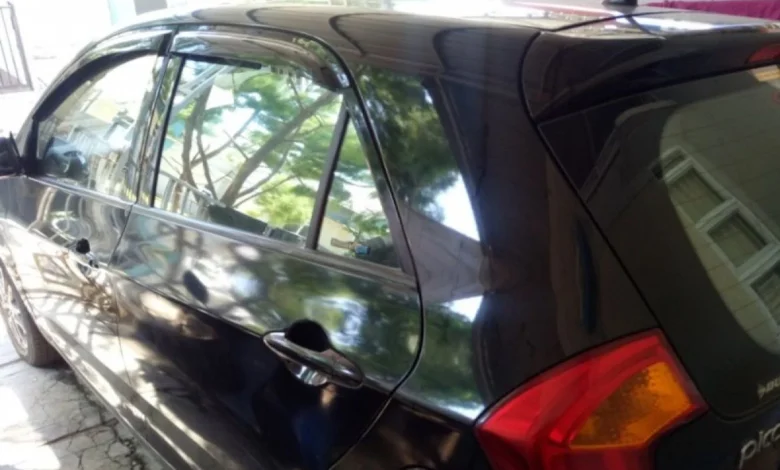
The arrival of the rainy season presents a significant operational challenge for vehicle owners, particularly regarding the maintenance of automotive glass clarity. Jakarta and other major urban centers often experience erratic weather patterns during these months, characterized by heavy precipitation followed by intense tropical sunlight. This cycle creates an environment where residual rainwater—laden with atmospheric pollutants, dust, and industrial particulate matter—rapidly evaporates on glass surfaces. The resulting residue, commonly referred to as water spots or mineral deposits, does more than degrade the aesthetic appeal of a vehicle; it poses a direct threat to driver safety by compromising visibility, especially during nocturnal transit or low-visibility storms.
The Science of Water Spot Formation and Visibility Risks
Water spots are primarily the result of mineral accumulation. Rainwater, while theoretically pure, collects suspended solids, exhaust fumes, and mineral salts as it falls through the atmosphere and makes contact with a vehicle’s exterior. When this water dries under the heat of the sun, the water molecules evaporate, leaving behind a concentrated residue of these minerals. Over time, these deposits bond chemically with the silica in the glass, forming a stubborn crust that is resistant to standard soap-and-water cleaning methods.
According to automotive safety data, reduced visibility is a contributing factor in approximately 15% to 20% of traffic accidents occurring during inclement weather. When glass is coated in layers of mineral deposits, light from oncoming headlights or streetlamps tends to refract or scatter across the windshield. This "starburst" effect, combined with the presence of streaks caused by degraded wiper blades, creates blind spots that can obscure pedestrians, cyclists, or sudden road hazards. Maintaining a pristine glass surface is therefore a matter of active accident prevention rather than mere cosmetic maintenance.
Chronological Maintenance Protocol for the Rainy Season
To mitigate the risk of permanent glass damage and ensure optimal visibility, vehicle owners should adopt a systematic approach to maintenance. This process can be divided into immediate, daily, and monthly intervals.
Immediate Post-Exposure Care
The most effective way to prevent mineral bonding is to neutralize the impact of rain exposure immediately. When a vehicle is subjected to rainfall, the accumulation of acid rain and pollutants begins the moment the water settles. Owners should, at a minimum, rinse the windshield and rear windows with clear, pressurized water as soon as the vehicle is parked. This process removes the bulk of the contaminants before they have the chance to dry and bake onto the surface.
Daily Routine and Proper Drying Techniques
Once the initial rinse is performed, the drying process is critical. Using a high-quality microfiber cloth is essential. Unlike standard cotton towels, which can trap abrasive particles and cause micro-scratches, clean microfiber is designed to lift and trap residues. The technique should involve a light, sweeping motion rather than aggressive scrubbing, which could push grit into the glass. If the vehicle has been exposed to heavy city pollution, a light application of an automotive-grade glass cleaner can help neutralize the pH levels of the residue.
Monthly Preventive Maintenance
Once a month, or more frequently during periods of incessant rain, a deeper cleaning cycle is required. This involves the use of specialized glass cleaning solutions that are free of ammonia—a chemical that can damage window tinting and rubber seals. These solutions are formulated to break down the surface tension of oils and mineral deposits. It is strongly advised to conduct this cleaning in a shaded area. If the glass is hot, the cleaning solution may evaporate too quickly, leading to new streaks or localized chemical staining.
The Critical Role of Wiper System Integrity
The wiper blade system is the primary mechanical defense against impaired visibility. Over time, the rubber components of the wiper blade lose their elasticity due to UV exposure and ozone, eventually becoming hardened or cracked. A degraded wiper blade no longer makes uniform contact with the windshield, leading to the "skipping" phenomenon or the leaving of streaks.
Industry experts recommend that wiper blades be inspected at least every six months. A simple test involves observing the blade during operation: if the wiper produces a squeaking sound, leaves streaks of water, or vibrates across the glass, it has reached the end of its functional life. Replacing these components before the peak of the rainy season is a proactive safety measure. Furthermore, the rubber edges should be wiped down with a damp cloth periodically to remove the buildup of road grime, which acts like sandpaper against the glass during every wipe cycle.
Advanced Protection: Rain Repellents and Coatings
In recent years, the automotive aftermarket has seen an increase in the adoption of chemical rain repellents. These products function by creating a hydrophobic layer on the glass surface. When water contacts the windshield, it forms tight, spherical beads that are easily swept away by wind resistance at speeds as low as 40 to 60 kilometers per hour.
While these products are highly effective at improving visibility, they are not a substitute for mechanical cleaning. Some manufacturers warn that if a repellent is applied over an already dirty or mineral-crusted surface, it will "lock in" the impurities, making them significantly harder to remove later. Therefore, the sequence of operations must always be: deep clean, decontaminate, and finally, apply the hydrophobic treatment.
Official Responses and Industry Guidance
Automotive service centers and detailing professionals emphasize that the damage caused by neglected water spots often requires professional intervention. When mineral deposits become etched into the glass, the use of harsh, non-automotive chemicals—such as vinegar or abrasive scouring pads—is strongly discouraged. These home remedies can permanently damage the anti-glare coatings found on modern windshields or create deep scratches that cannot be polished out.
"The industry perspective is clear," states a lead technician at a regional vehicle maintenance facility. "Many owners attempt to remove stubborn spots with steel wool or bathroom cleaners. This almost invariably leads to ‘hazing’ of the glass, which is a permanent condition. Professional glass polishing involves controlled mechanical abrasion that removes the deposit without damaging the structural integrity of the windshield. Prevention, through simple daily rinsing, remains the most cost-effective solution."
Broader Implications for Vehicle Safety and Resale Value
The accumulation of water spots is not merely a short-term nuisance; it has long-term economic and safety implications. A vehicle with etched, hazy glass is often flagged during mandatory safety inspections, potentially leading to failed certifications. Furthermore, from a financial perspective, poor exterior maintenance, including neglected glass, can reduce the resale value of a vehicle. Buyers often perceive poor window clarity as a symptom of a broader lack of vehicle care.
By integrating these six strategies—timely rinsing, routine cleaning, utilizing proper microfiber tools, monitoring wiper health, applying protective coatings, and avoiding abrasive DIY methods—vehicle owners can ensure that their equipment remains in peak condition. Ultimately, the objective of these maintenance protocols is to eliminate the variables that lead to driver distraction. In the context of modern traffic density, where reaction times are measured in fractions of a second, the clarity of a driver’s field of vision is a non-negotiable component of automotive safety. As the climate continues to present more intense rainfall events, the adoption of these maintenance habits will be essential for all motorists seeking to preserve their vehicles and ensure the safety of their passengers.