
Taiwanese American Voters Election
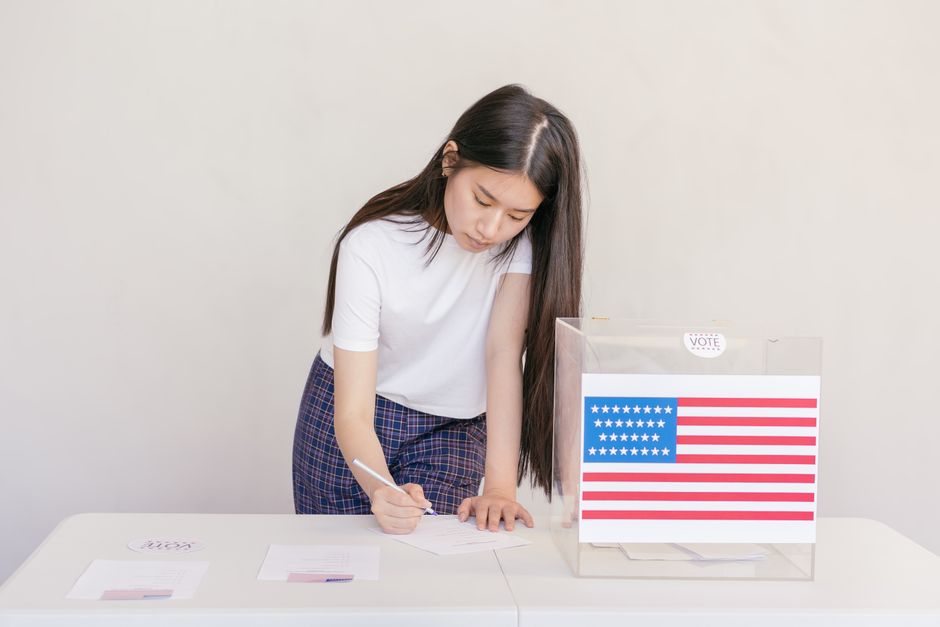
Taiwanese American Voters: Navigating Political Landscapes and Election Impact
The burgeoning influence of Taiwanese American voters in the American electoral landscape is a multifaceted phenomenon, driven by a complex interplay of heritage, political ideologies, and geopolitical concerns. As a demographic group, Taiwanese Americans, while not monolithic, are increasingly recognized for their active participation in local, state, and federal elections. Their voting patterns are shaped by a unique set of priorities, ranging from domestic economic policies and social issues to their deep-seated connection to Taiwan’s political status and its relationship with mainland China. Understanding this segment of the electorate is crucial for political strategists and analysts seeking to comprehend the evolving dynamics of American politics, particularly in swing states and districts with significant Taiwanese American populations.
The demographic profile of Taiwanese American voters reveals a diverse group. Predominantly originating from Taiwan’s educated and professional classes, many Taiwanese immigrants arrived in the United States as skilled workers, students, and entrepreneurs. This has resulted in a population with a relatively high median income and educational attainment. While early generations of Taiwanese immigrants often leaned more conservative, influenced by the authoritarian Kuomintang regime in Taiwan and a desire for economic stability, subsequent generations, particularly those born and raised in the U.S., exhibit a broader spectrum of political affiliations. This includes a growing presence within the Democratic Party, attracted by its emphasis on social justice, environmental concerns, and multilateral foreign policy. However, a significant segment continues to identify with Republican principles, often prioritizing fiscal conservatism, strong national defense, and a more assertive stance towards China. This internal diversity necessitates nuanced engagement strategies from political campaigns, moving beyond broad generalizations.
One of the most salient issues influencing Taiwanese American voters is the geopolitical tension between Taiwan and the People’s Republic of China (PRC). The PRC claims Taiwan as a renegade province and has not renounced the use of force to achieve unification. For many Taiwanese Americans, this existential threat to their ancestral homeland is a primary concern. Consequently, their voting decisions are often influenced by candidates’ stances on cross-strait relations, U.S. foreign policy towards Taiwan, and support for Taiwan’s democratic system and international space. Candidates who express strong support for Taiwan’s self-defense, advocate for increased U.S. diplomatic engagement with Taiwan, and condemn Beijing’s aggressive actions tend to resonate more deeply with this voter base. This issue transcends partisan lines, with both Democrats and Republicans acknowledging the strategic importance of Taiwan and the need to support its democratic aspirations. However, the intensity and specific policy prescriptions advocated by different candidates can create subtle but important distinctions for voters.
Beyond foreign policy, domestic issues play a significant role in shaping the electoral choices of Taiwanese American voters. As a community with a substantial proportion of entrepreneurs and professionals, economic policies that foster innovation, support small businesses, and promote job growth are highly valued. Issues such as taxation, healthcare affordability, education, and immigration reform also feature prominently. The Democratic Party’s platform often appeals to those seeking expanded social safety nets and government investment in infrastructure and renewable energy. Conversely, the Republican Party’s focus on lower taxes, deregulation, and free-market principles attracts voters prioritizing fiscal austerity and individual economic liberty. The growing presence of younger Taiwanese American voters, who may have different priorities concerning social equity, climate change, and technological advancement, further diversifies the domestic policy concerns within the community.
The impact of Taiwanese American voters, while perhaps not as numerically dominant as larger ethnic blocs, is increasingly significant in specific electoral contests. In areas with concentrated Taiwanese American populations, such as California, New York, Texas, and the greater Washington D.C. metropolitan area, their votes can be decisive. Political campaigns have begun to recognize this potential, investing in targeted outreach efforts, including language-specific advertising, community events, and engagement with prominent community leaders. The increasing sophistication of voter mobilization efforts within the Taiwanese American community, often facilitated by non-partisan civic organizations and advocacy groups, further amplifies their collective voice. These organizations play a crucial role in informing voters about candidate positions on issues relevant to their community and encouraging civic participation.
The electoral engagement of Taiwanese American voters is not solely driven by altruism or an abstract sense of civic duty; it is also deeply intertwined with their lived experiences and the evolution of their identity in the United States. Many Taiwanese Americans navigate a dual identity, feeling a strong connection to both their Taiwanese heritage and their American citizenship. This duality means that issues impacting Taiwan are not just abstract foreign policy matters but are often perceived as extensions of their family, culture, and personal values. Furthermore, the increasing assertiveness of China on the global stage has heightened concerns among Taiwanese Americans about potential repercussions for their community in the U.S., including instances of harassment or discrimination. This has galvanized some to become more politically active to advocate for policies that protect both Taiwan and their own community’s safety and well-being.
Analyzing voting trends within the Taiwanese American community requires a nuanced understanding of generational differences. First-generation immigrants, having experienced Taiwan’s transition from authoritarian rule to democracy, may hold distinct views on political freedoms and human rights compared to their American-born descendants. Younger generations, raised in a more globalized and digitally connected world, may be more exposed to diverse political perspectives and have different priorities concerning social issues and environmental sustainability. This generational divergence can lead to a broader range of voting patterns and ideological leanings within the broader Taiwanese American electorate. Political campaigns must therefore tailor their messages and engagement strategies to resonate with the specific concerns and values of different age cohorts within the community.
The role of social media and digital platforms in mobilizing Taiwanese American voters cannot be overstated. These platforms have become crucial tools for disseminating information, organizing events, and fostering political discourse within the community. Online forums, social media groups, and digital news outlets dedicated to Taiwanese American affairs provide spaces for discussion and debate, allowing voters to stay informed about elections and engage with political issues. This digital connectivity is particularly important for reaching younger voters who are highly engaged on these platforms. Furthermore, the use of targeted online advertising allows campaigns to reach specific segments of the Taiwanese American electorate with personalized messages on issues that matter most to them.
The impact of Taiwanese American voters extends beyond presidential elections. Their influence is often felt keenly in local and state races, particularly in areas with significant Taiwanese American populations. These local elections can address issues that have a direct impact on the daily lives of residents, such as school board policies, local development, and public safety. Candidates who demonstrate an understanding of and responsiveness to the concerns of Taiwanese American constituents in these local races can build trust and garner significant support. The cumulative effect of these local victories can also serve as a springboard for greater influence at the state and federal levels.
In conclusion, the Taiwanese American voter bloc represents a dynamic and increasingly influential segment of the American electorate. Their political engagement is shaped by a complex interplay of heritage, geopolitical concerns, domestic policy priorities, and evolving generational perspectives. As their numbers grow and their political consciousness deepens, Taiwanese American voters are poised to play an even more significant role in shaping election outcomes across the United States. Understanding their diverse perspectives and nuanced priorities is essential for any political campaign seeking to effectively engage this vital demographic. Their active participation underscores the evolving nature of American democracy and the increasing importance of ethnic and diasporic communities in the political process.
