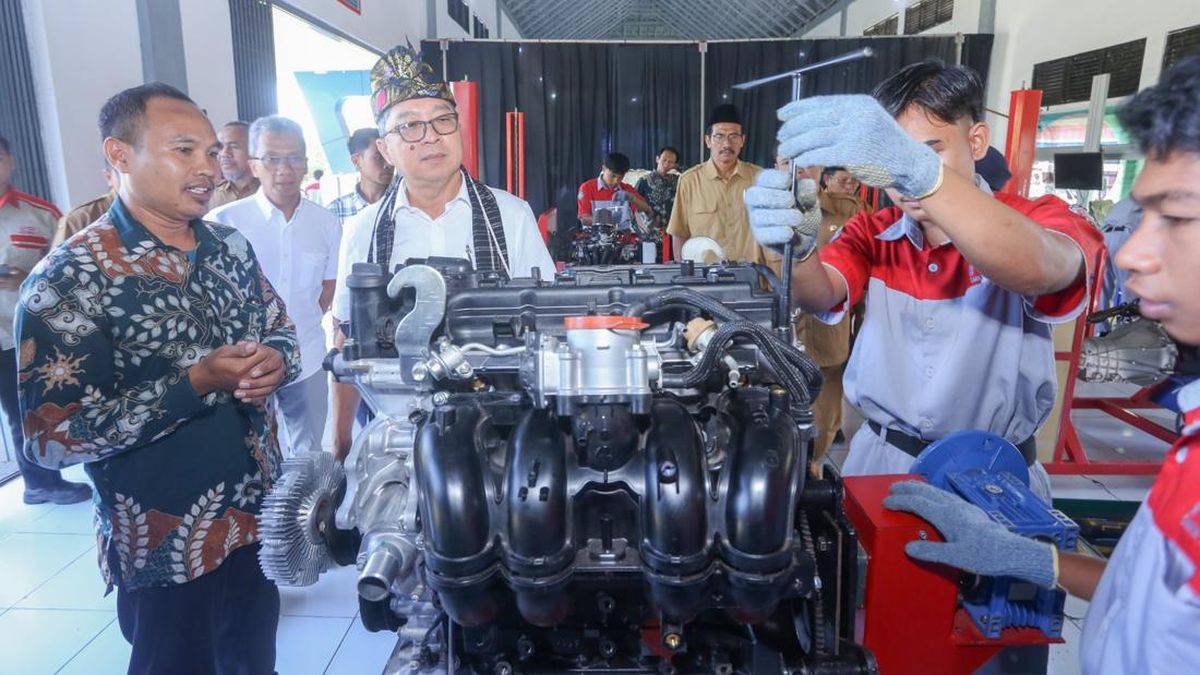
Jakarta, Indonesia – Toyota Motor Manufacturing Indonesia (TMMIN) has significantly expanded its vocational education initiative, bringing its esteemed program to the island of Lombok in West Nusa Tenggara (NTB). This expansion marks a crucial step in TMMIN’s ongoing commitment to enhancing the quality of technical education and preparing the next generation of automotive professionals. The company recently donated two complete automobile engines, vital practical learning tools, to two vocational high schools (SMKs) on the island.
The generous contributions were directed to SMKN 1 Jonggat in Central Lombok and SMKN 2 Kuripan in West Lombok. Each institution received a high-quality Toyota engine: SMKN 1 Jonggat was equipped with a gasoline engine, specifically the 2TR model, while SMKN 2 Kuripan received a diesel engine, the 2GD model. These engines are intended to serve as indispensable practical training aids, directly supporting the curriculum and hands-on learning experiences for students pursuing automotive engineering.
A Strategic Commitment to Vocational Development
The expansion of TMMIN’s vocational training program underscores a broader philosophy that elevating the standard of vocational education requires a concerted effort from multiple stakeholders, including industry leaders. Nandi Julyanto, President of TMMIN, articulated this sentiment during the handover ceremony. "This step may seem small, but we hope it becomes an integral part of their journey to grow, to create, and to contribute within their respective regions," Julyanto stated, emphasizing the long-term vision behind the initiative.
This initiative is a cornerstone of TMMIN’s corporate social responsibility (CSR) endeavors, with a particular focus on the education sector. By providing essential practical equipment, TMMIN aims to bridge the gap between academic learning and real-world industrial demands, thereby strengthening the technical competencies of students. The company believes that hands-on experience with industry-standard tools and machinery is paramount to developing a skilled workforce that can readily integrate into the automotive sector.
Beyond Equipment: A Holistic Approach to Skill-Building
TMMIN’s engagement with vocational schools extends beyond mere equipment donations. The company actively implements its "Vocational School Development" program in its partner schools. This comprehensive program encompasses several key areas designed to foster a robust learning environment aligned with industry needs.
- Industry-Centric Curriculum Development: TMMIN collaborates with educators to refine and update curricula, ensuring they reflect the latest technological advancements and operational practices prevalent in the automotive industry. This proactive approach guarantees that students are learning relevant skills that meet current and future job market demands.
- Provision of Learning Aids: Beyond the donated engines, the program involves the provision of various teaching and learning materials that enhance the effectiveness of instruction. This can include specialized tools, diagnostic equipment, and educational software, all aimed at providing students with a well-rounded practical education.
- Immersive Industrial Work Culture: A critical component of the program is the introduction and implementation of industrial work culture within the school environment. This involves instilling principles of discipline, teamwork, safety consciousness, and a commitment to quality – values that are fundamental to success in any professional setting.
President Julyanto further elaborated on the symbiotic relationship between education and industry. "The collaboration between the world of education and industry is a crucial factor in enhancing the competitiveness of vocational graduates," he remarked. "Schools prepare their competencies, and industry helps shape them. TMMIN wants to be a part of that process." This statement highlights TMMIN’s active role not just as a donor but as a partner in shaping the future workforce.
A Track Record of Expansion and Impact
The program’s extension to NTB is not an isolated event but part of a sustained and growing commitment by TMMIN. Prior to its arrival in Lombok, TMMIN’s vocational education development initiatives were already well-established across various regions, particularly on Java Island. The company currently supports 29 partner vocational schools scattered throughout Java.
The strategic decision to expand to NTB signifies a deeper effort to democratize access to high-quality learning facilities. The goal is to ensure that vocational schools in more remote or developing regions have access to learning resources that are directly aligned with the evolving needs of the automotive industry. This inclusivity is vital for fostering regional development and providing equitable opportunities for students across the archipelago.
Analyzing the Implications: Building a Future-Ready Workforce
TMMIN’s strategic investment in vocational education carries significant implications for several key areas:
- Bridging the Skills Gap: The Indonesian automotive industry, like many others globally, faces a persistent challenge in finding adequately skilled labor. By providing modern equipment and industry-relevant training, TMMIN is directly addressing this skills gap, producing graduates who are more job-ready and require less on-the-job training. This benefits not only the automotive companies but also the broader economy by increasing productivity and efficiency.
- Regional Economic Development: The expansion to Lombok is expected to have a positive impact on the local economy. By equipping SMK students with valuable technical skills, TMMIN contributes to the development of a local talent pool. This can lead to increased employment opportunities, attract further industrial investment to the region, and foster entrepreneurship in the automotive sector. Furthermore, a more skilled local workforce can support the growth of ancillary industries and services.
- Empowering Future Generations: The program’s emphasis on practical learning and industry culture aims to empower students. It provides them with the confidence and competence to pursue successful careers, contribute to their communities, and potentially become leaders and innovators within the automotive field. This investment in human capital is an investment in the long-term prosperity of the nation.
- Strengthening Industry-Education Linkages: TMMIN’s model serves as a strong example of effective industry-education collaboration. Such partnerships are crucial for ensuring that educational institutions remain relevant and responsive to the dynamic demands of the job market. This collaborative approach can be replicated and adapted by other industries, fostering a nationwide ecosystem of skilled professionals.
The donation of engines to SMKN 1 Jonggat and SMKN 2 Kuripan represents more than just material aid; it symbolizes TMMIN’s dedication to nurturing talent and building a sustainable future for the Indonesian automotive industry. As TMMIN continues to broaden its reach and deepen its impact, the company is playing a pivotal role in shaping a generation of skilled technicians and engineers equipped to meet the challenges and opportunities of the 21st century. The strategic foresight demonstrated by TMMIN in investing in vocational education is a testament to its commitment to not only its own business growth but also to the overall socio-economic development of Indonesia. This initiative, while focused on automotive skills, also instills valuable lessons in corporate responsibility and the profound impact of collaborative efforts between the private sector and educational institutions.