
Trump Haley Desantis Caucus
Trump, Haley, and DeSantis: Navigating the Complexities of the Republican Caucus Landscape
The Republican caucus landscape in the 2024 presidential primary season is a dynamic and multifaceted arena, primarily shaped by the strategic maneuvers and public appeal of three prominent figures: Donald Trump, Nikki Haley, and Ron DeSantis. Understanding the nuances of their respective caucus operations, their target demographics within these critical early states, and the evolving strategies employed to galvanize support is crucial for comprehending the trajectory of the Republican nomination. Caucuses, distinct from primary elections, involve a more direct and participatory form of candidate selection, often requiring attendees to publicly declare their allegiance or engage in open discussions and votes. This process presents unique challenges and opportunities for campaigns, demanding grassroots organization, dedicated volunteer networks, and the ability to connect with voters on a more intimate and granular level. The states of Iowa, Nevada, and potentially others that utilize the caucus system become battlegrounds where organizational strength and persuasive messaging can have an outsized impact, often setting the tone and momentum for subsequent primary contests.
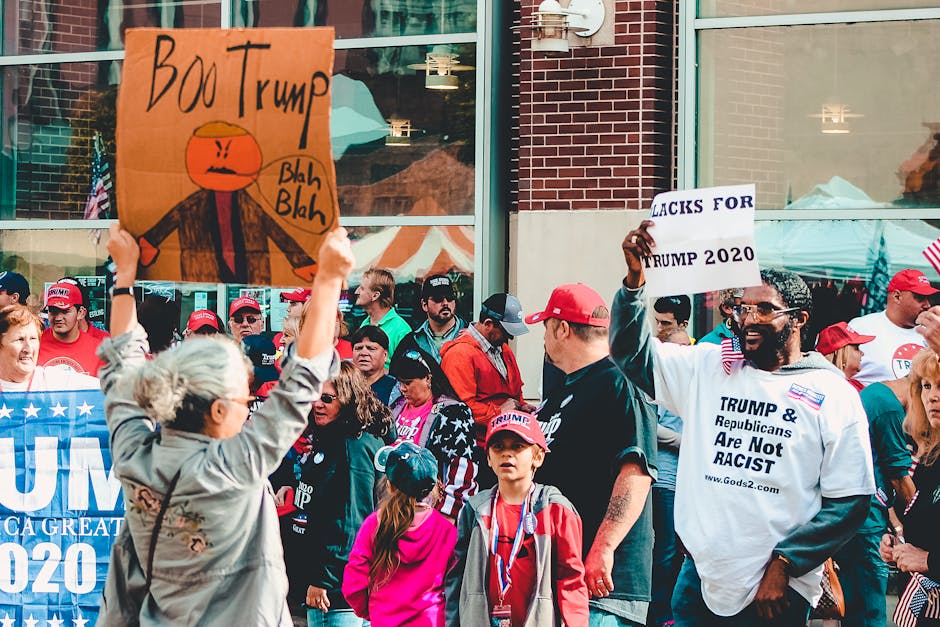
Donald Trump’s caucus strategy is deeply rooted in his established base of enthusiastic supporters. His approach leverages the loyalty and fervent engagement of his core followers, who are often highly motivated to participate in caucus events. This strategy relies on a robust ground game, energized by his consistent and often provocative rhetoric that resonates strongly with a significant portion of the Republican electorate. Trump’s campaign typically focuses on mobilizing these dedicated supporters through direct outreach, rallies, and strategic communication channels that bypass traditional media filters. The emphasis is on reinforcing existing allegiances and ensuring maximum turnout among those who have consistently supported him. His campaign’s success in caucuses hinges on its ability to translate this fervent base into tangible votes through disciplined organizational efforts. The “Make America Great Again” movement, a powerful socio-political force, functions as a built-in organizational structure for Trump’s caucus participation, with volunteers and activists often self-mobilizing to support his candidacy. This organic, grassroots energy is a significant asset, particularly in states where caucus participation requires a higher degree of personal commitment and activism than simply casting a ballot in a primary. Trump’s ability to tap into this reservoir of dedication is a cornerstone of his caucus campaign, aiming to overwhelm less organized opposition through sheer volume of committed participants.
Nikki Haley’s caucus strategy targets a more diverse coalition within the Republican party, aiming to attract moderate Republicans, independents, and disaffected Democrats, alongside traditional conservatives. Her approach emphasizes a more conventional political campaign, focusing on policy substance, executive experience as a former governor, and a more measured tone compared to Trump. In caucus states, this translates to a focus on building a broad coalition through extensive outreach and voter education. Haley’s campaign seeks to win over undecided caucus-goers by highlighting her preparedness for the presidency, her foreign policy credentials, and her vision for a fiscally responsible and strong America. The organization for Haley’s campaign typically involves a more traditional grassroots effort, with an emphasis on volunteer recruitment and training, voter registration drives, and direct engagement with community leaders and influential figures within caucus communities. The goal is to demonstrate a viable alternative to Trump that appeals to a wider spectrum of voters, including those who may be disillusioned with the former president’s style or policy stances. Her success in caucuses depends on her ability to persuade voters that she represents a more pragmatic and unifying path forward for the Republican party, appealing to those who prioritize experience and a steady hand in governance. The narrative she constructs is one of competence and electability, aiming to capture the imaginations of voters who seek a leader who can bridge divides and restore a sense of national unity. This strategy requires a sophisticated understanding of the local demographics within each caucus state and the ability to tailor her message to resonate with the specific concerns and priorities of those communities.
Ron DeSantis’s caucus strategy is characterized by a strong emphasis on organizational strength and a disciplined, issue-focused campaign. His approach often mirrors the successful model employed in his gubernatorial re-election campaign in Florida, which emphasized a data-driven approach to voter mobilization and a focus on conservative policy wins. In caucus states, this means a significant investment in building a robust ground game, identifying and energizing potential supporters, and ensuring they understand the mechanics of caucus participation. DeSantis’s campaign aims to appeal to the conservative base of the Republican party, highlighting his record on issues such as education, economic policy, and cultural conservatism. The strategy involves direct outreach, town hall meetings, and a concerted effort to communicate his policy agenda clearly and persuasively. The organizational infrastructure for DeSantis’s campaign is designed to be highly efficient, utilizing technology and trained volunteers to maximize voter contact and turnout. The goal is to present himself as a strong, principled conservative leader who can deliver on promises and enact meaningful change. His success in caucuses is contingent on his ability to effectively translate his policy platform into actionable support through a well-executed organizational plan. He seeks to distinguish himself as the most ideologically aligned conservative option, appealing to voters who prioritize deep-seated principles and a proven track record of implementing them. This requires a meticulous understanding of the voter universe within each caucus state, identifying those who are most receptive to his message and developing strategies to ensure their active participation on caucus day.
The interplay between these three candidates and their caucus strategies creates a complex and dynamic electoral environment. In Iowa, the first caucus state, the organizational prowess of all three campaigns is put to the test. Trump’s strategy relies on his established base, Haley’s on broader appeal, and DeSantis’s on disciplined organization. The outcomes in Iowa can have a significant ripple effect, boosting momentum for the winner and potentially signaling a declining path for others. Nevada, another caucus state, presents its own unique challenges and opportunities. The demographics and political landscape of Nevada require tailored approaches from each campaign, with Haley potentially seeking to leverage a broader coalition, DeSantis focusing on a strong conservative turnout, and Trump aiming to solidify his existing support. The unique nature of caucuses, where face-to-face interaction and public declaration of support are key, allows for different campaigning tactics. Candidates must not only convince voters of their merits but also empower them to navigate the caucus process. This involves comprehensive voter education on how caucuses work, the timing of events, and the specific procedures for voting or expressing support. The success of a caucus campaign is therefore a testament to both the candidate’s appeal and the effectiveness of their organizational machinery in translating that appeal into active participation.
The strategic differentiation in caucus operations is evident in the types of voters each campaign seeks to mobilize. Trump’s campaign has historically excelled at mobilizing a highly committed base of voters who are deeply loyal to him personally. This often includes working-class voters, those in rural areas, and individuals who feel disenfranchised by the political establishment. His rhetoric, which often champions populist sentiments and challenges conventional political norms, resonates strongly with this demographic. In caucuses, this translates to a focus on ensuring these dedicated supporters understand the caucus process and are motivated to attend and vote. Haley’s campaign, conversely, aims to broaden the Republican tent. She seeks to attract more moderate Republicans, suburban voters who may be concerned about the direction of the party under Trump, and potentially some independents. Her message often emphasizes fiscal conservatism, strong national security, and a more traditional approach to governance. In caucuses, this requires outreach to a wider range of voters, including those who may not be as ideologically driven but are seeking a pragmatic and experienced leader. The challenge for Haley is to convince these voters that caucuses are an accessible and effective way to support her candidacy. DeSantis’s campaign, while rooted in conservative principles, aims to capture a broad spectrum of the conservative electorate. He targets voters who are attracted to his strong stance on cultural issues, his focus on economic deregulation, and his “anti-woke” agenda. His organizational strategy is designed to appeal to deeply conservative individuals and families who are looking for a candidate who embodies their values and can deliver on conservative policy objectives. In caucuses, this means a strong emphasis on grassroots organizing within conservative communities and churches, ensuring that these voters are not only persuaded but also mobilized to participate.
The financial and logistical demands of caucus campaigns are also a significant factor. Unlike primaries, where candidates can rely heavily on advertising and broad outreach, caucuses require a more intensive, person-to-person effort. Campaigns must invest in building and training volunteer networks, organizing local meetings and events, and providing detailed information to potential caucus-goers. This often involves significant expenditure on staff, materials, and travel to ensure that candidates and their surrogates can reach as many voters as possible in the lead-up to caucus day. The resource allocation for each campaign, therefore, reflects their overarching strategy. Trump, with his established network of loyalists, may rely more on organic mobilization and less on direct campaign spending for ground operations, although his rallies still require substantial financial backing. Haley, seeking to build a broader coalition, might invest more heavily in targeted advertising and outreach to undecided voters in specific demographics. DeSantis, with his emphasis on organizational efficiency, would likely allocate significant resources to data analytics, voter identification, and training for his volunteer corps. The effectiveness of these investments is often judged by turnout rates on caucus night, as higher participation from a candidate’s targeted demographic can be a strong indicator of success. The complexities of the caucus system mean that campaigns must be agile and adaptable, prepared to shift resources and strategies based on evolving voter sentiment and the actions of their opponents.
The media narrative surrounding these candidates in caucus states is also crucial. Each campaign seeks to shape the public perception of their candidate’s viability and strengths. Trump often dominates headlines through his rallies and controversial statements, ensuring constant media attention, even if it is not always positive. His strategy is to remain the central figure in the political discourse, forcing other candidates to react to him. Haley’s campaign aims to present her as a serious and credible alternative, often focusing on policy debates and her executive experience to garner more substantive media coverage. Her challenge is to break through the noise generated by Trump and capture the attention of voters seeking a different kind of leadership. DeSantis’s campaign often seeks to highlight his policy achievements and his conservative bona fides, aiming for media coverage that reinforces his image as a strong leader and a champion of conservative values. The media’s portrayal of each candidate – whether it focuses on their organizational strength, their policy proposals, or their ability to connect with voters – can significantly influence public opinion and, consequently, caucus outcomes. The narrative of momentum, often fueled by media coverage of early state results, can become a self-fulfilling prophecy, boosting a candidate’s campaign and discouraging their rivals. Therefore, each campaign actively works to influence this narrative, using their communication strategies to their advantage.
Ultimately, the success of Donald Trump, Nikki Haley, and Ron DeSantis in the Republican caucus landscape will depend on their ability to effectively mobilize their respective bases, persuade undecided voters, and navigate the unique challenges and opportunities presented by these early state contests. The intricate interplay of grassroots organization, persuasive messaging, financial resources, and media engagement will determine which candidate emerges with the momentum to carry their campaign forward in the pursuit of the Republican presidential nomination. The caucus system, by its very nature, rewards candidates who can demonstrate not just broad appeal, but also the deep organizational capacity and unwavering commitment of their supporters. It is a process that tests the strength of a campaign’s infrastructure and its ability to translate voter enthusiasm into tangible electoral success. The outcomes in these early states will not only shape the trajectory of the nomination race but also offer valuable insights into the evolving priorities and preferences of the Republican electorate as a whole.
