
Apple Pie Ice Cream Topping
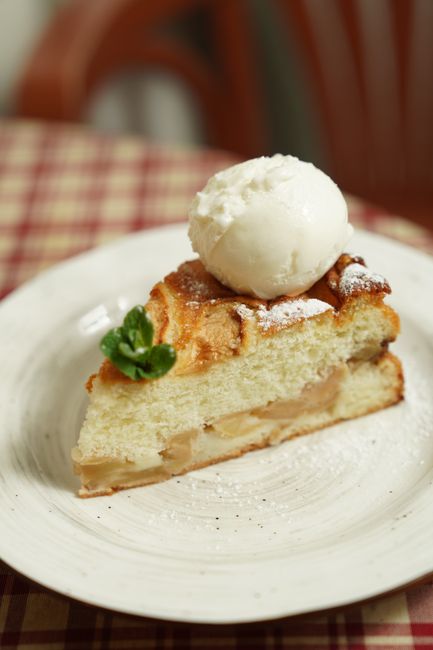
Apple Pie Ice Cream Topping: The Ultimate Guide to a Delectable Dessert Enhancement
The humble apple pie ice cream topping is far more than just a sweet condiment; it’s a culinary experience designed to elevate the simple pleasure of ice cream into a symphony of textures and flavors. This topping, when crafted with care, encapsulates the comforting essence of a freshly baked apple pie, translating its warm, spiced, and fruity notes into a cool, creamy context. Its versatility lies in its ability to be both a standalone indulgence and a perfect accompaniment to a myriad of ice cream bases, transforming vanilla, caramel, and even chocolate into something extraordinary. The magic of apple pie ice cream topping stems from the careful balance of its core components: tender, spiced apples and a luscious, often slightly thickened, liquid base. Achieving this balance requires an understanding of ingredient selection, cooking techniques, and flavor profiles, all of which contribute to a superior topping that tantalizes the taste buds and satisfies the craving for a truly satisfying dessert.
The fundamental building blocks of any successful apple pie ice cream topping are, unsurprisingly, apples themselves. The choice of apple variety plays a crucial role in determining the final texture and flavor profile of the topping. For a topping that retains a pleasant firmness and a balanced sweet-tartness, varieties like Honeycrisp, Granny Smith, or Fuji are excellent choices. Honeycrisp apples offer a satisfying crunch and a honey-like sweetness with a hint of tartness, making them ideal for those who prefer a less intensely sour apple. Granny Smith, on the other hand, are prized for their sharp, tart flavor that cuts through the sweetness of the ice cream and the topping’s base, providing a vibrant contrast. Fuji apples strike a happy medium, offering a good balance of sweetness and a firm texture that holds its shape well during cooking. It’s also beneficial to consider a blend of apple varieties. Combining a sweeter apple like Fuji with a tarter one like Granny Smith can create a more complex and nuanced flavor profile, preventing the topping from becoming overwhelmingly sweet or one-dimensionally tart. The size of the apple pieces is another critical consideration. Dicing the apples into small, uniform pieces, typically around ½-inch to ¾-inch cubes, ensures even cooking and a consistent texture throughout the topping. Overly large pieces may remain too firm, while overly small pieces can become mushy and lose their distinct apple identity. The goal is to achieve tender apple chunks that offer a satisfying bite without dissolving into the sauce.
Beyond the apples, the aromatic spices are paramount to evoking the quintessential apple pie experience. Cinnamon is the undisputed king of apple pie spices, providing warmth and a slightly sweet, woody aroma. A generous hand with ground cinnamon is essential, but it’s the supporting cast that truly elevates the flavor. Nutmeg, with its warm, slightly sweet, and pungent notes, complements cinnamon beautifully. A pinch of ground cloves adds a deeper, more intense warmth and a hint of spiciness, but should be used sparingly as its flavor can be overpowering. Allspice, which offers a complex blend of cinnamon, clove, and nutmeg flavors, can also be incorporated for an extra layer of complexity. For a brighter, more citrusy note that cuts through the richness, a touch of ground ginger or even a hint of cardamom can be introduced. The key to effective spice usage is layering and balance. Instead of simply dumping spices into the pot, toasting them lightly in the hot butter or liquid base before adding the apples can unlock their full aromatic potential, releasing their essential oils and intensifying their flavors. This subtle step significantly impacts the overall aroma and taste of the topping, making it more complex and inviting.
The liquid base of the apple pie ice cream topping serves to bind the ingredients, create a luscious sauce, and introduce additional layers of flavor. Butter is a foundational element, providing richness, a smooth mouthfeel, and a slightly nutty undertone when browned. Unsalted butter is generally preferred, allowing for greater control over the salt content of the final topping. Sugar is another non-negotiable ingredient, balancing the tartness of the apples and caramelizing to add depth and sweetness. Brown sugar, whether light or dark, is often the preferred choice over granulated sugar due to its molasses content, which imparts a richer, caramel-like flavor and a desirable chewy texture to the cooked apples. The type of brown sugar used can subtly influence the outcome; dark brown sugar will yield a more pronounced caramel note, while light brown sugar offers a milder sweetness. Other sweeteners, such as maple syrup or honey, can also be incorporated, each lending its unique flavor profile to the topping. Maple syrup, with its distinct woody and slightly smoky notes, pairs exceptionally well with apples and warm spices. Honey, on the other hand, offers a more floral sweetness that can be very appealing. The liquid itself can be water, apple cider, apple juice, or even a splash of bourbon or rum. Apple cider or juice will intensify the apple flavor, while water provides a neutral base. The inclusion of a small amount of alcohol, such as bourbon or rum, can add a sophisticated depth of flavor and a subtle warmth, with the alcohol largely evaporating during the cooking process, leaving behind its aromatic essence.
The cooking process for apple pie ice cream topping is where the magic truly happens, transforming raw ingredients into a harmonious blend of flavors and textures. The initial step often involves melting butter in a saucepan over medium heat. Once the butter is melted and slightly bubbling, the diced apples are added, along with the chosen sugar(s) and spices. It’s crucial to stir the ingredients frequently to ensure even cooking and to prevent sticking. The apples will begin to soften and release their juices. As the apples cook down, a thickening agent is often introduced to achieve the desired consistency. Cornstarch is a common and effective thickener, typically mixed with a small amount of cold water or apple juice to create a slurry before being added to the hot apple mixture. This slurry should be cooked for a few minutes until the topping thickens to a glossy, sauce-like consistency that coats the back of a spoon. Alternatively, a flour-based thickening agent can be used, though it may impart a slightly more opaque appearance. Lemon juice is a vital, though sometimes overlooked, ingredient. A squeeze of fresh lemon juice not only brightens the overall flavor profile by cutting through the sweetness but also helps to prevent the apples from browning excessively during cooking and contributes to a more appealing texture. The acidity of the lemon juice helps to break down some of the pectin in the apples, leading to a tenderer result. The cooking time will vary depending on the apple variety and the size of the dice, but generally, the apples should be tender but still hold their shape, offering a pleasant bite. Overcooking can lead to mushy apples, diminishing the textural appeal of the topping.
The versatility of apple pie ice cream topping extends far beyond its obvious pairing with vanilla. While vanilla ice cream serves as a pristine canvas, allowing the complex flavors of the apple topping to shine, other ice cream bases can also be transformed. A rich, buttery caramel ice cream acts as a natural complement, amplifying the caramel notes inherent in brown sugar and the cooked apples. The salty undertones of salted caramel ice cream create a delightful sweet and savory contrast that is highly addictive. For chocolate lovers, a dark chocolate or bittersweet chocolate ice cream provides a bold counterpoint to the sweet, spiced apples, creating a decadent and surprisingly harmonious combination. The bitterness of the chocolate can temper the sweetness of the topping, while the fruity notes of the apples offer a refreshing contrast to the deep chocolate flavor. Even simpler ice cream flavors like cream cheese ice cream can be enhanced, with the tangy cream cheese providing a delightful counterpoint to the sweet and spiced apples. The key is to consider the dominant flavor profile of the ice cream base and how it will interact with the apple pie topping. A well-chosen pairing will create a synergistic effect, where the combination is greater than the sum of its parts.
Beyond the direct topping application, apple pie ice cream topping can be incorporated into a wider array of dessert creations, showcasing its adaptability. It can be swirled into warm brownie batter before baking, creating pockets of spiced apple goodness within the rich chocolate. Layered with crumbled graham crackers and a dollop of whipped cream, it transforms into a quick and easy apple pie parfait, reminiscent of the flavors of a deconstructed dessert. It can also serve as a filling for crepes or as a decadent sauce for pancakes and waffles, extending its appeal beyond the realm of ice cream. For a more sophisticated presentation, it can be used as a filling for miniature tarts or as a component in a trifle, layered with custard and cake. The possibilities are truly limited only by imagination, making this topping a valuable asset in any dessert-maker’s repertoire.
Storage and shelf-life are practical considerations for any homemade topping. Once cooled, apple pie ice cream topping can be stored in an airtight container in the refrigerator for up to 5-7 days. The flavors tend to meld and deepen over time, making it even more delicious on the second or third day. For longer storage, it can be frozen. Allow the topping to cool completely, then transfer it to a freezer-safe container or heavy-duty freezer bags, pressing out as much air as possible. Frozen topping will retain its quality for up to 2-3 months. When ready to use, thaw it in the refrigerator overnight or gently reheat it on the stovetop or in the microwave. Reheating can be done slowly to avoid overcooking the apples and to ensure a smooth, luscious consistency. It’s advisable to stir the topping occasionally during reheating to prevent scorching and to redistribute the ingredients.
For those seeking to enhance the visual appeal and flavor complexity of their apple pie ice cream topping, a few garnishes can make a significant impact. A dollop of freshly whipped cream, light and airy, provides a cooling contrast and a creamy texture. A sprinkle of chopped toasted pecans or walnuts adds a welcome crunch and a nutty depth of flavor that complements the apple and spice notes. A dusting of extra cinnamon or a drizzle of caramel sauce can further amplify the dessert’s rich flavors. For a touch of elegance, a single candied ginger slice or a small sprig of fresh mint can add a visually appealing and aromatic flourish. These additions are not merely decorative; they contribute to the overall sensory experience, transforming a simple scoop of ice cream with topping into a restaurant-quality dessert.
The SEO implications of the term "apple pie ice cream topping" are significant. This phrase represents a high-intent search query from individuals actively looking for recipes, ideas, and information related to this specific dessert enhancement. Optimizing content around this keyword involves using it naturally and strategically throughout the article, particularly in headings, subheadings, and the introductory paragraphs. Related keywords, such as "homemade apple topping," "best ice cream toppings," "spiced apple sauce recipe," and "dessert topping ideas," should also be incorporated to broaden the search reach and capture a wider audience. Furthermore, providing detailed and comprehensive information, as demonstrated in this article, not only satisfies user intent but also signals to search engines that the content is valuable and authoritative. Including practical advice on ingredients, preparation, storage, and variations further strengthens the SEO profile by addressing a wider range of user needs and questions. The inclusion of descriptive language that appeals to the senses, such as "luscious," "warm," "spiced," and "tender," can also indirectly improve search rankings by attracting user engagement and time spent on the page, both of which are crucial SEO signals. Ultimately, creating a comprehensive and user-centric resource around "apple pie ice cream topping" is the most effective strategy for achieving high search engine visibility and attracting organic traffic.
