PT KCIC Records Over 450 Kites Interfering with Whoosh High-Speed Train Operations

Jakarta, Indonesia – The operational integrity of Indonesia’s first high-speed railway, Whoosh, has been significantly disrupted by an alarming number of kites, with PT Kereta Cepat Indonesia China (KCIC) reporting the retrieval of at least 452 kites and their strings from the tracks and surrounding infrastructure since the beginning of 2024. These incidents pose a serious threat to the safety and efficiency of the Jakarta-Bandung high-speed train service, leading to operational disruptions and delays that affect thousands of passengers.
Escalating Kite Incidents Threaten High-Speed Rail Safety
KCIC, the operator of the Whoosh high-speed train, has revealed a concerning trend of kite-related interference along its operational corridor. In the period spanning from early 2024 to May 2026, a total of 452 kites and their associated strings were recovered by the company. These findings are concentrated in areas near the Whoosh tracks, particularly in the regions of Padalarang, Cimahi, and Bandung, which lie along the high-speed line connecting Jakarta and the West Javanese capital.
Emir Monti, Manager of Corporate Communication at KCIC, detailed the escalating nature of these incidents. "The number of discoveries includes 25 kites found in 2024. This figure saw a substantial increase to 317 kites in 2025, and a further 110 kites were recorded in the period from January to May 2026," Monti stated on Friday, June 12th, as quoted by detikJabar.
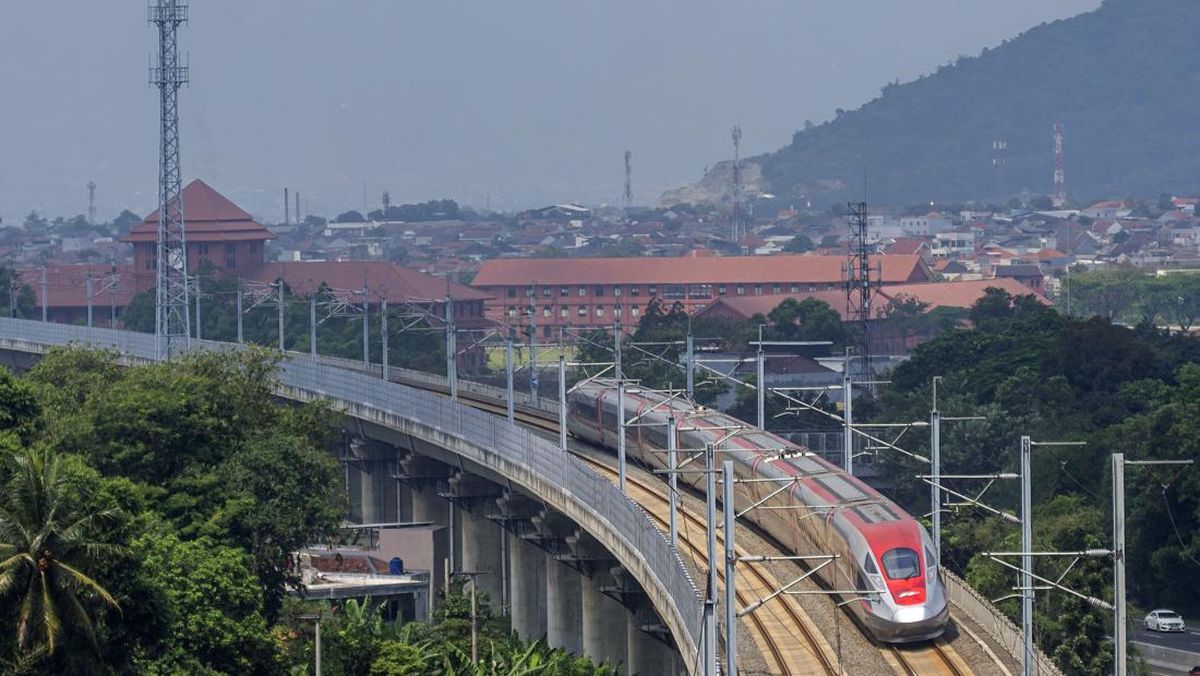
The primary concern stems from the potential for these kites, especially when they break free and are carried by the wind, to become entangled with the Overhead Catenary System (OCS). The OCS is the critical infrastructure that supplies high-voltage electricity to power the Whoosh trains. Entanglement with these high-tension wires can lead to severe damage to both the OCS itself and the pantographs on the trains, which are responsible for collecting electrical power.
"The impact is not only a potential threat to the safety of the journeys but also causes operational disruptions and travel delays, affecting thousands of passengers," Monti emphasized.
A Growing Menace: Chronology of Kite Incidents
The problem of kites interfering with the Whoosh line is not a new one, but the data released by KCIC highlights its increasing severity.
- 2024: The initial year saw 25 reported kite incidents. While seemingly a lower number, this marked the beginning of a documented trend that would escalate significantly in the following year.
- 2025: This year witnessed a dramatic surge in kite-related issues, with KCIC recovering 317 kites. This represents an over tenfold increase from the previous year, indicating a growing disregard for safety regulations or a lack of awareness among the public.
- January – May 2026: The trend continued into the first five months of 2026, with 110 kites being found. This pace suggests that the problem remains a persistent challenge for the Whoosh operation.
KCIC has identified the stretch of track between Padalarang and Bandung as the area most frequently affected by these kite-related disruptions. The company has had to resort to emergency stops of the Whoosh trains on multiple occasions to ensure passenger safety when kite debris poses an immediate threat.
"Many of these cases occur in the afternoon," Monti explained. "Even if people are playing kites two kilometers away from the high-speed train tracks, when a kite breaks free with its string dangling, it can be carried by the wind and end up on the Whoosh tracks."
Understanding the Risks: Technical Implications and Safety Concerns
The Whoosh high-speed train operates on electricity supplied by the OCS, a complex network of wires suspended above the tracks. These wires carry a substantial electrical current, crucial for the trains’ propulsion systems. The entanglement of a kite or its string with the OCS can trigger a cascade of dangerous events:
- Electrical Short Circuits: A conductive kite string or the kite itself can bridge the gap between the OCS and other components, leading to short circuits. This can cause immediate power outages along sections of the line, halting train operations.
- Damage to OCS Infrastructure: The physical force of a tangled kite or string can strain, break, or deform the OCS wires and supporting structures. Repairing such damage is costly and time-consuming, leading to prolonged service interruptions.
- Pantograph Damage: The pantograph, a device on the roof of the train that maintains contact with the OCS, is designed for precise electrical transfer. A tangled kite string can damage the pantograph, rendering it ineffective and potentially causing further damage to the OCS as the train continues to move.
- Fire Hazards: The high voltage involved in the OCS, combined with flammable kite materials, could potentially ignite, posing a severe fire risk along the rail corridor.
- Safety of Passengers and Crew: While KCIC emphasizes the proactive measures taken to halt trains, the possibility of unexpected entanglement leading to sudden stops or electrical malfunctions creates a risk to the safety and comfort of passengers and the train crew.
The implications of these disruptions extend beyond immediate safety concerns. Frequent delays can erode passenger confidence in the reliability of the Whoosh service, potentially impacting its ridership and economic viability. The economic cost of repairs, operational adjustments, and compensation for delayed passengers also adds to the burden on KCIC.
Regulatory Mandates and Public Awareness Campaigns
In response to this escalating problem, KCIC has issued a stern warning to the public, urging them to refrain from flying kites within a minimum radius of 3 kilometers on either side of the Whoosh operational jalur (track). This measure is crucial to mitigate the risk of kites drifting onto the sensitive railway infrastructure.
The company’s proactive stance is a necessary measure to safeguard its multi-billion dollar investment and ensure the continued smooth operation of this vital transportation link. The sheer volume of kites recovered underscores a significant gap in public awareness or adherence to safety protocols in the vicinity of critical infrastructure.
It is imperative that local authorities and community leaders in the affected regions actively participate in reinforcing these safety guidelines. Public awareness campaigns, potentially involving educational materials disseminated through local media, schools, and community centers, could be instrumental in conveying the serious consequences of kite flying near the Whoosh tracks.
Background and Context: The Whoosh High-Speed Railway
The Whoosh high-speed railway, a flagship project under the Belt and Road Initiative, represents a monumental achievement in Indonesia’s transportation development. The 142.3-kilometer line connects Jakarta’s Halim Perdanakusuma station to Bandung’s Tegalluar station, significantly reducing travel time between the two major cities from over three hours by conventional train to approximately 30-40 minutes.
Construction of the Whoosh line began in 2016, and the project involved substantial investment and technological collaboration between Indonesia and China. The high-speed trains, capable of speeds up to 350 kilometers per hour, are designed to boost economic activity, improve connectivity, and reduce congestion in the densely populated Java region.
The operational challenges faced by KCIC, such as kite interference, highlight the need for comprehensive public engagement and regulatory enforcement to protect such critical national infrastructure. As the Whoosh service expands and potentially connects to other regions in the future, addressing these seemingly minor but potentially catastrophic issues will remain a paramount concern.
Broader Implications and Future Outlook
The persistent issue of kites interfering with the Whoosh operation serves as a stark reminder that technological advancements in transportation must be complemented by robust public awareness and adherence to safety regulations. While KCIC is taking necessary steps to secure its infrastructure, the ultimate solution lies in fostering a culture of responsibility among the public.
The company’s plea for public cooperation is not merely a request; it is a critical component of ensuring the long-term viability and safety of one of Indonesia’s most significant infrastructure projects. Without widespread understanding and compliance, the risk of severe accidents, costly repairs, and prolonged service disruptions will continue to loom over the Whoosh high-speed railway.
KCIC’s ongoing efforts to document and remove these hazards, coupled with their public advisories, are crucial steps. However, a more integrated approach involving local government, community leaders, and educational institutions may be required to effectively address the root causes of this recurring problem and safeguard the future of high-speed rail in Indonesia. The success of Whoosh, beyond its technological prowess, hinges on the collective commitment of all stakeholders to its safe and uninterrupted operation.
Related posts: