The Meaning of Dreaming of Seeing Calm Murky Water, Deep Interpretations from Psychology to Spirituality


Dreams involving water are among the most universally reported nocturnal experiences across human cultures, signifying deep emotional currents and life’s flow. The specific imagery of "calm murky water" presents a particularly intriguing paradox, combining the unsettling obscurity of murkiness—often associated with confusion, hidden issues, or emotional turmoil—with the reassuring stillness of calmness, which typically signifies emotional stability, inner peace, or resolution. This unique juxtaposition within a dreamscape suggests a profound message for the dreamer, indicating a potential for underlying peace or clarity that can be accessed and cultivated even amidst seemingly perplexing life circumstances. The condition of water in dreams is frequently considered a direct reflection of an individual’s inner psychological and emotional state. When water, despite its turbidity, appears tranquil and undisturbed, it often points to an innate capacity for serenity that can be harnessed by the dreamer, even when their waking life appears fraught with confusion or uncertainty.
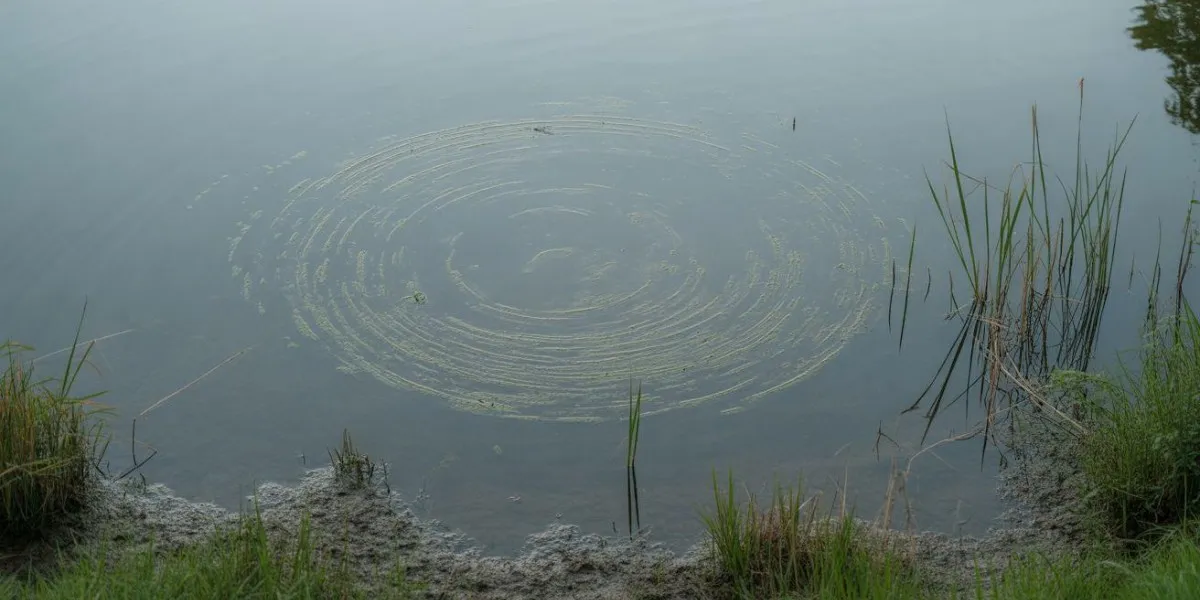
This complex dream motif has been a subject of extensive interpretation across various schools of thought, ranging from the structured frameworks of modern psychology and psychoanalysis to the spiritual tenets of Islamic dream interpretation and the ancient wisdom embedded in Javanese Primbon. Each perspective offers distinct insights into the potential meanings behind dreaming of calm murky water, collectively providing a rich tapestry for self-reflection. Understanding these diverse interpretations can empower individuals to engage in a deeper introspective analysis of their current emotional, psychological, and spiritual journeys, potentially uncovering hidden truths and guiding them towards greater self-awareness and personal growth. As cited by Dream Museum, the presence of calm, still murky water in a dream suggests that even when a person feels bewildered or overwhelmed, a fundamental sense of tranquility remains accessible and can be harnessed.
A Historical Glimpse into Dream Interpretation
The human fascination with dreams is as ancient as consciousness itself, with early civilizations viewing dreams as potent conduits to the divine, harbingers of the future, or profound insights into the self. In ancient Mesopotamia, particularly among the Sumerians and Babylonians, dreams were meticulously recorded and interpreted by specialized priests, believed to be messages from gods or omens. These "dream interpreters" held significant societal roles, their analyses often influencing political decisions and daily life. The Egyptians, renowned for their intricate spiritual beliefs, likewise considered dreams to be vital, often depicting dream interpretation in hieroglyphs and utilizing "dream books" to decipher their meanings, associating specific dream symbols with various deities or earthly events. Dreams were seen as a direct link to the afterlife or the realm of the gods.

Similarly, in ancient Greece and Rome, dreams were seen as prophecies or divine communications, with figures like Artemidorus of Daldis penning comprehensive guides to dream interpretation in his five-book work, Oneirocritica, classifying dreams into different categories and offering symbol-based explanations. He emphasized the subjective nature of dreams, suggesting interpretations varied based on the dreamer’s profession, social status, and personal circumstances—a precursor to modern psychological thought. This long-standing tradition underscores the universal human endeavor to find meaning in the nocturnal narratives spun by the subconscious mind. As societies evolved, so did the methodologies of dream interpretation, transitioning from purely spiritual or prophetic readings to more systematic and psychological analyses, laying the groundwork for the modern understanding of dreams as expressions of the inner psyche. The interpretation of water, in particular, has remained a consistent and powerful symbol throughout this historical evolution, universally recognized as representing emotions, life, and the subconscious.
The Psychological Landscape: Unpacking Calm Murky Water
In the realm of modern psychology, dreams are considered invaluable windows into the subconscious mind, revealing repressed feelings, unacknowledged thoughts, and unresolved conflicts. Carl Jung, a pioneering figure in analytical psychology, profoundly stated in The Archetypes and the Collective Unconscious that "water is the most common symbol for the unconscious." This foundational perspective underpins much of the psychological analysis of water-related dreams, including the intricate phenomenon of calm murky water. This dream image, within a psychological framework, often signifies a complex emotional stratum: superficial confusion or disturbance coexisting with a deep-seated, perhaps unconscious, stability. While Sigmund Freud, Jung’s contemporary, focused on dreams as wish fulfillment and symbols of repressed desires, Jung expanded on the idea of a collective unconscious and archetypes, where water often represents the primordial, undifferentiated aspect of the psyche, the anima mundi or world soul.

According to the Centre of Excellence, dreams featuring dirty or murky water are frequently linked to feelings of confusion, negativity, or ongoing emotional struggles. They may indicate that the dreamer is grappling with uncertainty, internal conflicts, or a pervasive lack of clarity, suggesting a need for resolution before significant decisions can be made. The presence of such turbid water can symbolize the influence of negative external factors, unresolved past emotions, or debilitating self-doubt that obscures judgment. However, the crucial element of calmness in this dream introduces a nuanced layer of meaning. Psychiatrist Greg Mahr, MD, author of The Wisdom of Dreams, noted in YourTango that "dirty water dreams are common, perhaps reflecting fear of being soiled by instinctual material. Such dreams may remind us that such fears are misplaced." This suggests that while the murky elements represent perceived ‘impurities’ or challenges, the tranquility implies that the fear or distress associated with them might be unwarranted or manageable, or that the dreamer possesses an innate ability to maintain composure amidst these perceived threats.
A particularly compelling psychological concept relevant to calm murky water is the idea of the shadow self. As explored by World of Dreams, dirty water in a dream can symbolize the imperative to confront and integrate the shadow self—the repressed, darker aspects of the psyche that, if ignored, can impede personal growth and spiritual evolution. These are the parts of ourselves we deny or deem unacceptable, yet they hold significant energy. Just as turbid water requires exposure to light and filtration to become clear, the shadow self demands recognition and integration to achieve psychological equilibrium and holistic well-being. This perspective aligns with the understanding that not all murky water dreams are inherently negative; rather, they can be calls to engage with overlooked aspects of oneself, transforming them from hidden liabilities into sources of strength.

This concept finds a powerful parallel in Eastern symbolism, particularly with the metaphor of the lotus flower. The lotus, which famously blossoms in muddy, murky waters, rises above its impure origins to unfold into a magnificent, pristine flower. This serves as a powerful metaphor for spiritual growth, purity, and enlightenment in Buddhism and Hinduism, signifying the potential for beauty and transcendence even from challenging or "unclean" circumstances. In the context of dreams, murky water can thus be interpreted as a symbol of latent potential and transformative possibility. When this murky water is calm, it subtly suggests that a process of emotional healing or internal transformation is gently unfolding beneath the surface, even if the external situation appears less than ideal or fully resolved. This underscores that the meaning of murky water in a dream is not always negative; it can signify the raw material from which profound personal and spiritual development emerges, a quiet process of purification and growth.
Spiritual Depths: The Islamic Perspective on Calm Murky Water
In Islamic tradition, dreams hold significant spiritual weight and are categorized into three types: Ru’ya Sadiqah (true dreams from Allah, often prophetic or guiding), Hulum (bad dreams from Shaytan/Satan, meant to cause distress), and Hadith al-Nafs (daydreams or reflections of one’s thoughts and daily experiences). The teachings of Prophet Muhammad (peace be upon him) emphasize that good dreams are from Allah, while bad dreams are from Shaytan (Hadith narrated by Bukhari). Within this framework, interpreting a dream of calm murky water takes on a profound spiritual dimension, often serving as a call for introspection and moral rectification.
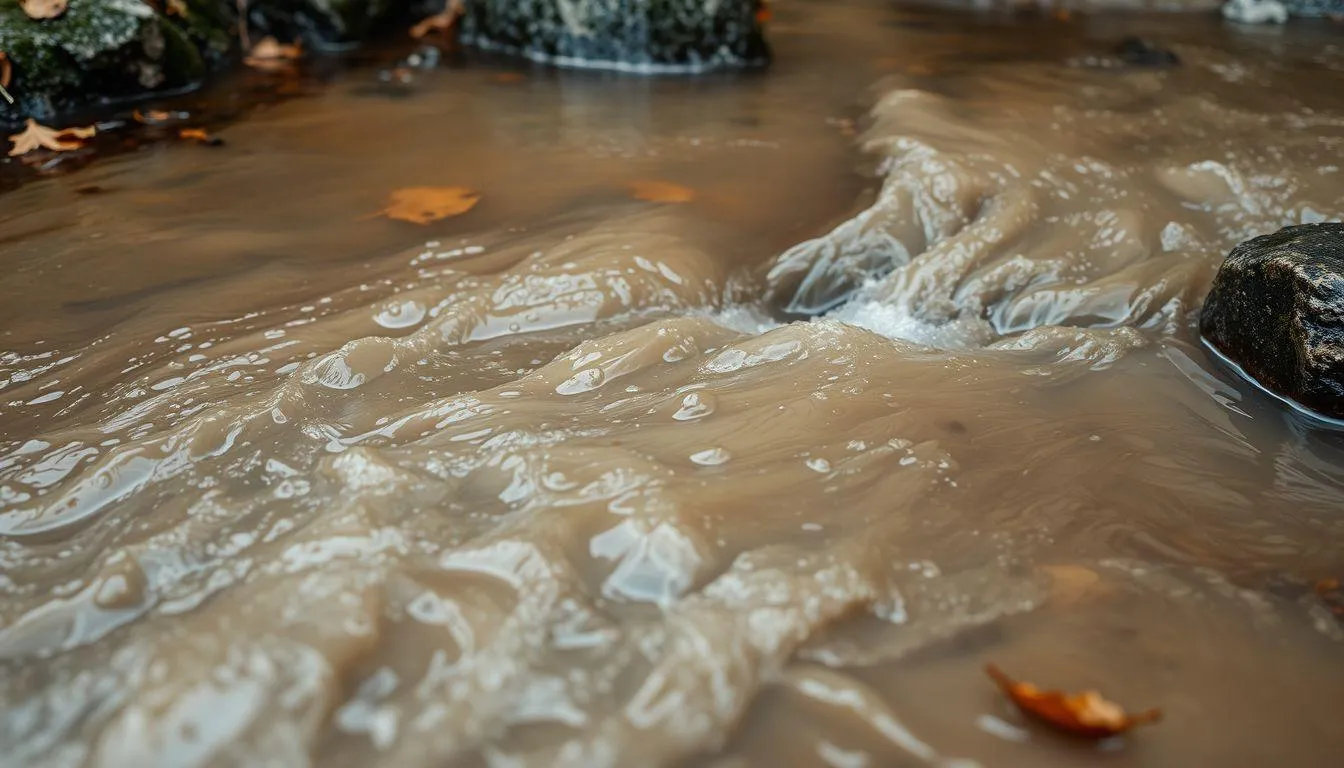
According to the esteemed Islamic dream interpreter Ibnu Sirin, whose comprehensive works on dream interpretation, such as Tafsir al-Ahlam al-Kabir, are highly regarded, murky water in a dream can signify several spiritual