Indonesia Concludes Landmark 700 MHz and 2.6 GHz Spectrum Auction, Paving Way for Advanced Mobile Broadband and 5G Expansion by 2026

The Ministry of Communication and Digital (Komdigi) of Indonesia has officially concluded all stages of the selection process for users of the 700 MHz and 2.6 GHz radio frequency bands, critical for the deployment of cellular mobile networks starting in 2026. This significant milestone marks a pivotal moment in Indonesia’s ambitious digital transformation agenda, aiming to bolster national connectivity, accelerate 5G adoption, and bridge the persistent digital divide across the archipelago. The process, which generated substantial revenue for the state and laid out stringent development obligations for the winning operators, saw major telecommunications players secure crucial spectrum assets.
Background: The Strategic Importance of Spectrum
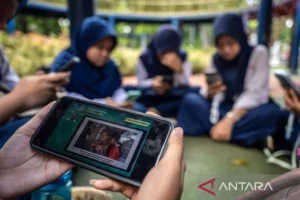
Radio frequency spectrum is the invisible backbone of modern telecommunications. It is a finite public resource that enables wireless communication, from basic phone calls to high-speed mobile internet. For a vast archipelagic nation like Indonesia, with over 17,000 islands and a population exceeding 280 million, equitable access to robust mobile broadband is not merely a convenience but a fundamental driver of economic growth, social inclusion, and national cohesion.
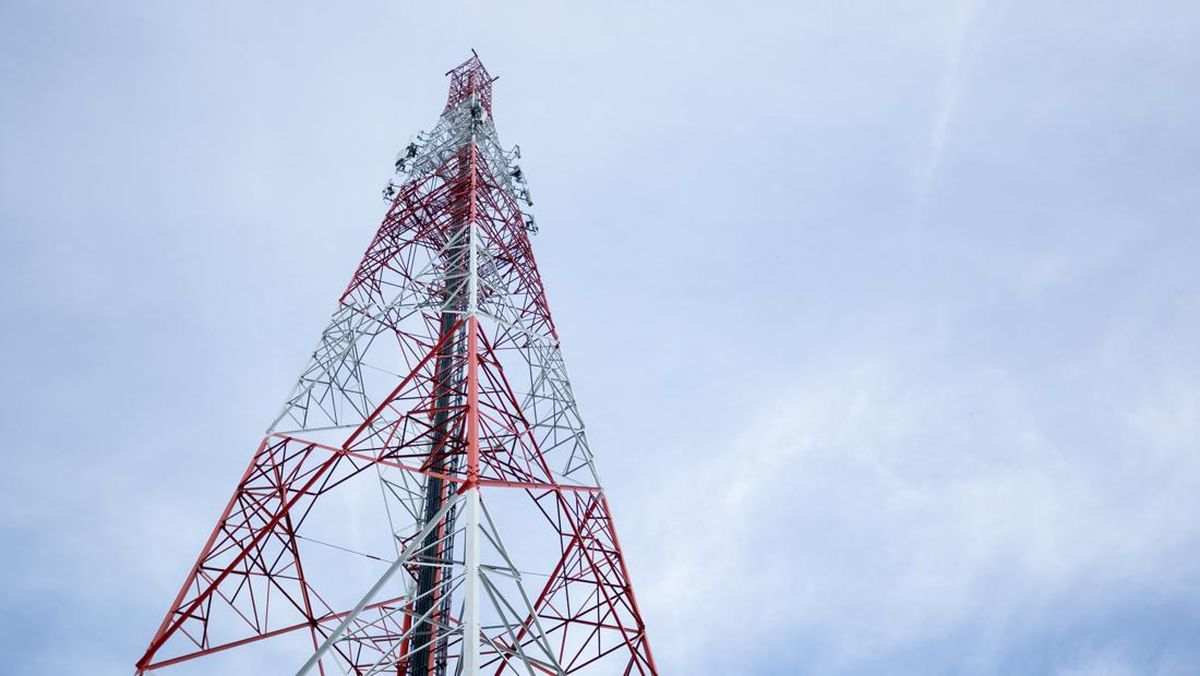
The specific bands auctioned, 700 MHz and 2.6 GHz, hold distinct strategic values. The 700 MHz band, often referred to as the "digital dividend" spectrum, became available after Indonesia’s transition from analog to digital terrestrial television broadcasting. Its low frequency characteristics grant it superior propagation capabilities, meaning signals can travel further and penetrate buildings more effectively than higher frequencies. This makes 700 MHz ideal for providing extensive coverage, particularly in rural and remote areas where infrastructure deployment can be challenging and costly. It is considered "beachfront property" for mobile operators dueating to its efficiency in covering large geographical areas with fewer base stations, thereby reducing capital expenditure (CAPEX) and operating expenses (OPEX) for network expansion. For Indonesia, this band is instrumental in achieving universal broadband access and closing the digital gap between urban and rural populations, a core objective of the government’s digital agenda.
Conversely, the 2.6 GHz band is a higher frequency spectrum primarily valued for its capacity. While its signals do not travel as far or penetrate as well as those in the 700 MHz band, it offers significantly more bandwidth, enabling faster data speeds and greater network capacity, especially in densely populated urban centers. This band is crucial for the deployment of advanced 5G services, supporting applications that demand ultra-high speeds, low latency, and massive connectivity, such as augmented reality, virtual reality, smart city solutions, and industrial IoT (Internet of Things). The combination of these two bands provides operators with a powerful toolkit: the 700 MHz for expansive foundational coverage and the 2.6 GHz for high-capacity, high-speed services, particularly in urban and suburban areas.
Indonesia’s government has long articulated a vision for a digitally empowered nation. Initiatives like "Indonesia Digital 2045" underscore the commitment to leverage digital technology for socio-economic development. Previous spectrum allocations and auctions have often focused on optimizing existing bands or introducing new technologies like 4G LTE. However, the 2026 auction for 700 MHz and 2.6 GHz is uniquely positioned to address both foundational coverage gaps and future-proof capacity requirements, setting the stage for the next decade of digital growth. The transparent and competitive auction process itself reflects Komdigi’s commitment to fostering a healthy and dynamic telecommunications market, ensuring that spectrum resources are allocated efficiently and responsibly.
A Rigorous and Transparent Selection Chronology
The entire selection process for the frequency bands was meticulously planned and executed, emphasizing transparency and fairness. The journey began with the government’s announcement of the upcoming auction, outlining the available spectrum blocks, the eligibility criteria for participants, and the overarching objectives of the allocation. Prospective bidders, comprising Indonesia’s leading telecommunication companies, underwent a rigorous qualification phase, demonstrating their technical capabilities, financial robustness, and commitment to the national digital agenda.
The core of the selection process involved two critical phases:
- Price Auction (July 7, 2026): This stage involved competitive bidding where qualified participants vied for the available spectrum blocks by submitting their financial offers. The objective was to secure the highest possible value for the state while ensuring a fair market mechanism. The substantial bids received underscore the strategic importance operators place on these frequency assets for their future business growth and market positioning.
- Block Selection (July 8-10, 2026): Following the price auction, winning bidders were then given the opportunity to select their specific frequency blocks within the allotted band. This step is crucial as the exact placement of a block within the spectrum can impact network planning and interference management. The process was carefully managed to ensure an orderly selection based on the results of the price auction.
Komdigi’s official statement, released in Jakarta on Friday, July 10, 2026, confirmed the successful completion of these two phases. To uphold the integrity of the process, Komdigi has also incorporated a crucial feedback mechanism. All participants were granted a window until July 14, 2026, at 15:00 WIB (Western Indonesian Time) to submit any written objections, accompanied by supporting evidence, via the e-Auction system. This post-auction review period is a standard practice designed to address any potential discrepancies or concerns, thereby reinforcing the fairness and accountability of the entire procedure. Should no valid objections be raised, Komdigi will then proceed to submit a comprehensive report and recommendation to the Minister of Communication and Digital. The final, legally binding declaration of the winners will be made through a Ministerial Decree, officially cementing the allocation of these vital spectrum resources.
Auction Results: A Snapshot of Market Dynamics
The auction saw a competitive scramble among Indonesia’s telecommunications giants, reflecting the high stakes involved. The results provide insights into the strategic priorities of each operator and their vision for future network development.
700 MHz Band Allocation:
- PT XLSMART Telecom Sejahtera Tbk emerged as the top bidder for the 700 MHz band, securing a substantial 30 MHz block (2×15 MHz). Their winning bid of Rp 1.06 trillion (approximately USD 72 million, based on prevailing exchange rates at the time) highlighted their aggressive strategy to expand coverage and improve service quality, particularly in underserved regions. This significant acquisition positions XLSMART to enhance its rural footprint and strengthen its competitive standing against larger rivals.
- PT Telekomunikasi Selular (Telkomsel), Indonesia’s largest mobile operator, secured the second position with a 20 MHz block (2×10 MHz), offering Rp 642.5 billion (approximately USD 44 million). This acquisition reinforces Telkomsel’s already extensive network and allows it to further optimize its 4G and future 5G services, particularly for wider reach.
- PT Indosat Tbk took the third spot, also acquiring a 20 MHz block (2×10 MHz) with a bid of Rp 507.48 billion (approximately USD 35 million). This strategic addition to Indosat’s spectrum portfolio will be crucial for improving its service quality and expanding its coverage, maintaining its competitive presence in the market.
2.6 GHz Band Allocation:
- For the higher frequency 2.6 GHz band, Telkomsel asserted its dominance, claiming the largest share with an 80 MHz block. Their winning bid of Rp 545.84 billion (approximately USD 37 million) underscores their commitment to leading the charge in 5G deployment and high-capacity services. This significant allocation provides Telkomsel with ample bandwidth to deliver premium 5G experiences in urban centers.
- PT Indosat Tbk followed closely, securing a 60 MHz block with a bid of Rp 372 billion (approximately USD 25 million). This allocation is vital for Indosat to enhance its 5G capabilities and offer competitive data speeds and services, particularly in metropolitan areas where demand for high-bandwidth applications is soaring.
- PT XLSMART Telecom Sejahtera Tbk secured the third position in this band, acquiring a 50 MHz block with an offer of Rp 231.6 billion (approximately USD 16 million). While a smaller allocation compared to its 700 MHz win, this still provides XLSMART with critical capacity for urban 5G services, allowing them to complement their wider coverage strategy with targeted high-speed offerings.
In total, the auction generated over Rp 3.36 trillion (approximately USD 229 million) in bids, a substantial injection of non-tax revenue for the state treasury. This financial outcome not only highlights the commercial value of these spectrum assets but also provides resources that can be reinvested into national development initiatives, including further digital infrastructure projects.
Operator Commitments: Beyond Commercial Gain
The allocation of these vital spectrum resources comes with significant responsibilities that extend far beyond mere financial contributions. Komdigi has clearly stipulated that the winning operators are not only obligated to fulfill the payment of Biaya Hak Penggunaan Spektrum Frekuensi Radio untuk Izin Pita Frekuensi Radio (BHP IPFR), or Spectrum Usage Fees for Radio Frequency Band Licenses, in accordance with prevailing laws and regulations. More profoundly, they are entrusted with the crucial mission of realizing "inclusive digital sovereignty" for Indonesia.
This mandate translates into concrete, measurable obligations designed to ensure that the benefits of advanced mobile technology reach every corner of the nation:
-
Bridging the Digital Divide with 4G: The winning operators are required to provide mobile broadband internet access, utilizing at least Long Term Evolution (4G) technology, in a specified number of villages and sub-districts. Komdigi has identified a total of 538 desa/kelurahan (villages/sub-districts) that currently lack adequate connectivity. This targeted deployment is crucial for empowering rural communities, facilitating access to online education, healthcare services, e-commerce, and financial inclusion, thereby directly addressing socio-economic disparities. This commitment is a cornerstone of the government’s effort to ensure that technological advancement is not confined to urban centers but serves as a catalyst for progress across the entire country.
-
Accelerating 5G Adoption and Coverage: In parallel with rural 4G expansion, the operators are also tasked with deploying mobile broadband internet access using International Mobile Telecommunications-2020 (5G) technology in committed cities and districts. The ambitious target set is to achieve at least 51 percent national population coverage for 5G. This aggressive rollout schedule aims to position Indonesia as a leader in 5G adoption within Southeast Asia, unlocking new opportunities for innovation, industrial transformation, and the development of smart cities. Widespread 5G availability will support emerging technologies like the Internet of Things (IoT), artificial intelligence (AI), and advanced analytics, driving productivity and competitiveness across various sectors.
Komdigi’s emphasis on "inclusive digital sovereignty" signifies a comprehensive approach. It implies not only ensuring widespread access to digital infrastructure but also fostering a secure, resilient, and independent digital ecosystem. This includes aspects of data governance, cybersecurity, and the development of local digital talent and content, ensuring that Indonesia can harness the full potential of its digital future on its own terms.
Komdigi’s Vision and Future Implications
The Ministry of Communication and Digital articulated that this spectrum selection is far more than just an exercise in expanding signal coverage. It represents a concerted governmental effort to enhance the overall quality of life for Indonesian citizens. "The Ministry of Communication and Digital is committed to ensuring that this technological leap is not only enjoyed in major cities but becomes a bridge of equitable progress from Sumatera to Papua," Komdigi stated. This powerful declaration underscores the government’s determination to foster inclusive growth, ensuring that no region or community is left behind in the digital era.
The commitment to a transparent and fair selection process was repeatedly emphasized by the Ministry, highlighting its dedication to serving the public interest and promoting sustainable industry growth. This approach aims to create a predictable and stable regulatory environment, encouraging further investment and innovation from telecommunications operators.
Broader Impact and Future Outlook:
The successful conclusion of this spectrum auction and the subsequent deployment of 4G and 5G networks are expected to yield profound and multifaceted impacts on Indonesia:
- Economic Growth: Enhanced connectivity is a known catalyst for economic development. Broader and faster internet access can stimulate e-commerce, facilitate digital entrepreneurship, improve productivity in various sectors, and attract foreign investment in the digital economy. The mandated rural 4G expansion will unlock new economic opportunities for remote communities.
- Social Inclusion: Bridging the digital divide will democratize access to information, education, healthcare, and financial services. This can lead to improved educational outcomes, better health management, and greater financial literacy among previously underserved populations.
- Technological Innovation: The accelerated deployment of 5G will provide the foundational infrastructure for cutting-edge technologies and services. This includes advancements in smart agriculture, remote healthcare, autonomous systems, and immersive entertainment, positioning Indonesia at the forefront of digital innovation in the region.
- Strengthened Competition: The allocation of spectrum to multiple operators, including a mix of dominant players and challengers, is likely to foster healthy competition in the market. This can lead to more innovative services, competitive pricing, and improved customer experience for consumers.
- Government Revenue and Investment: The substantial auction proceeds provide the government with additional funds that can be channeled into other critical infrastructure projects or social programs, further supporting national development objectives.
- Challenges Ahead: While the outlook is largely positive, operators face significant challenges in meeting their ambitious deployment targets. These include the substantial capital expenditure required for network rollout, particularly in geographically challenging areas, securing permits for infrastructure development, and managing the operational complexities of maintaining advanced networks across a vast and diverse landscape. Komdigi’s ongoing oversight and supportive regulatory framework will be crucial in helping operators navigate these hurdles.
In conclusion, the 2026 spectrum auction for the 700 MHz and 2.6 GHz bands represents a monumental step for Indonesia. It is not merely a commercial transaction but a strategic investment in the nation’s digital future, embodying a clear vision for inclusive growth, technological leadership, and enhanced quality of life for all its citizens. The journey ahead involves diligent execution by the winning operators and continued stewardship from Komdigi, but the foundation for a truly connected Indonesia has now been firmly laid.