Understanding the 2026 Shift in Vehicle Ownership Transfer Regulations: Why Second-Hand Car Ownership Costs Have Changed

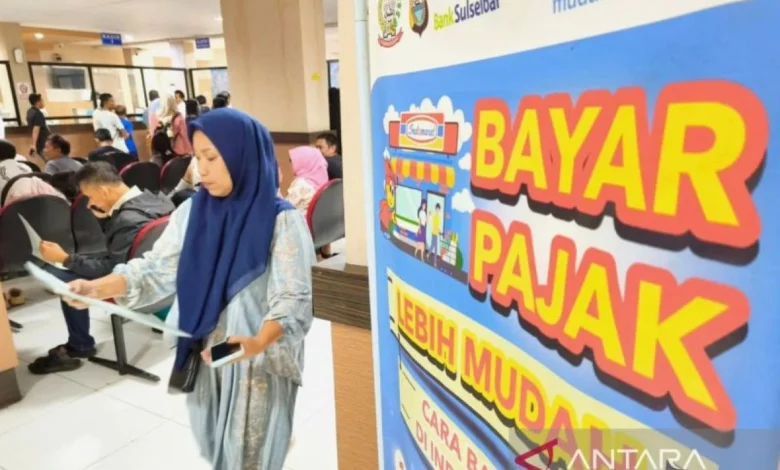
The Indonesian automotive landscape has undergone a significant regulatory shift in 2026 regarding the transfer of vehicle ownership, commonly referred to as Balik Nama Kendaraan Bermotor (BBNKB). Under the mandate of Law Number 1 of 2022 concerning Financial Relations between the Central Government and Regional Governments (HKPD), the BBNKB levy—which was previously a primary revenue stream for regional administrations during the transfer of second-hand vehicles—has been officially eliminated. This policy marks a transition toward a more streamlined administrative process for vehicle owners, though it has sparked widespread public debate regarding the interpretation of "free" transfer costs. While the BBNKB component has been removed, owners must remain cognizant of other mandatory administrative fees and taxes that remain in full effect.
The Legislative Framework: Understanding Law No. 1 of 2022
The core of this policy change lies in the implementation of the HKPD Law, which was designed to standardize regional fiscal policies and reduce the administrative burden on citizens. Historically, the BBNKB for second-hand vehicles (known as BBNKB II) functioned as a tax paid by the buyer upon purchasing a used vehicle. By reclassifying BBNKB as a tax applicable only to the "first transfer" of a new vehicle, the government has essentially removed the legal basis for charging a transfer tax on subsequent transactions.
This move is intended to encourage formal ownership registration. In the past, the high cost of BBNKB—often reaching 1% of the vehicle’s sale value—served as a deterrent for many buyers to officially transfer the vehicle into their own names. By removing this barrier, the government expects a surge in the accuracy of the national vehicle database, which is vital for law enforcement, traffic management, and the implementation of electronic traffic law enforcement (ETLE).
Dispelling the Myth of "Free" Transfers
Despite the removal of BBNKB, it is critical for the public to understand that the process is not entirely free of charge. Confusion often arises because the term "BBNKB" is frequently used colloquially to refer to the entire "balik nama" process. In reality, the administrative costs associated with vehicle registration remain intact and are classified under Non-Tax State Revenue (PNBP).
When a new owner visits a Samsat (Sistem Administrasi Manunggal di Bawah Satu Atap) office, they are still required to pay for the issuance of:
- STNK (Surat Tanda Nomor Kendaraan): The vehicle registration certificate.
- BPKB (Buku Pemilik Kendaraan Bermotor): The proof of ownership title.
- TNKB (Tanda Nomor Kendaraan Bermotor): The license plates.
These fees are mandatory and are collected by the National Police to cover the operational costs of document production and verification. Furthermore, if a vehicle is purchased from a different province, the owner must still account for the costs associated with the "mutation" process—the administrative shifting of vehicle registration from one regional jurisdiction to another.
The Role of Regional Governments and Samsat
While the central government sets the framework through the HKPD Law, the operational details are managed by regional authorities. Provinces such as East Java and DKI Jakarta have been at the forefront of clarifying these regulations. For instance, in August 2026, the East Java Regional Revenue Agency (Bapenda) explicitly notified taxpayers that while the BBNKB levy for used vehicles is zero, the obligation to settle outstanding Pajak Kendaraan Bermotor (PKB) remains.
The PKB is an annual tax that must be paid to the regional government. If a buyer purchases a used car that has expired tax, the buyer is liable for both the current tax and any arrears accumulated by the previous owner. Consequently, the total cost of a "balik nama" transaction is highly variable, depending on the vehicle’s age, engine capacity, regional tax rates, and whether the vehicle requires a change of license plate or a change of address (mutation).
Why Prompt Ownership Transfer is Essential
The Korlantas (Traffic Corps) of the Indonesian National Police has repeatedly urged the public to prioritize the transfer of ownership immediately following a transaction. Beyond the legal requirement, there are significant practical benefits to this process:
- Accurate Tax Administration: When a vehicle is registered under the current owner’s name, tax notifications become more reliable, ensuring that the owner can easily access digital payment platforms.
- Protection for Previous Owners: A crucial, yet often overlooked, step is the "blocking" of the previous owner’s STNK. Once a vehicle is sold, the seller should report the sale to the Samsat. This prevents the seller from being held liable for traffic violations committed by the new owner and ensures that the seller is not subject to progressive tax rates on future vehicle purchases.
- Law Enforcement: In cases of accidents or criminal activity, having an accurate database ensures that authorities can contact the actual operator of the vehicle, rather than the previous owner who may have sold the vehicle years prior.
Procedural Steps for Second-Hand Ownership Transfer
To facilitate a smooth transfer in the current regulatory environment, owners should adhere to the following standard procedure:
- Physical Inspection (Cek Fisik): The vehicle must be brought to a Samsat office or a designated mobile service point for a mandatory physical inspection. This involves checking the vehicle’s engine and chassis numbers to ensure they match the BPKB and STNK records.
- Document Verification: Owners must provide the original BPKB, STNK, the vehicle purchase receipt (kuitansi) with a stamp duty (meterai), and the owner’s KTP (Resident ID).
- Data Processing: Once the documents are verified, the Samsat system will update the ownership details. If the vehicle is being transferred between different regions, the applicant must first undergo the mutation process to withdraw the vehicle’s records from the original Samsat office.
- Fee Settlement: The owner will receive a payment slip detailing the required PNBP fees for the new documents and any outstanding PKB.
Implications and Future Outlook
The policy change represents a broader trend in Indonesia’s digital transformation of public services. By lowering the financial barriers to ownership transfer, the government is incentivizing the population to exit the "gray market" of informal vehicle sales. The ultimate goal is a comprehensive, real-time national vehicle registration system that can support future policy initiatives, such as the gradual removal of fuel subsidies for specific vehicle types or the implementation of smart traffic management systems.
From an economic perspective, the reduction in transfer costs may stimulate the second-hand automotive market. A more fluid transfer process typically increases consumer confidence, as buyers are more likely to purchase used vehicles if they know the legal transfer process is affordable and transparent.
However, the transition has not been without challenges. Public perception remains a hurdle; the assumption that "balik nama is free" often leads to frustration at the service counters when fees for PNBP and annual taxes are presented. Authorities are therefore tasked with the ongoing challenge of public communication—clearly distinguishing between tax (which has been removed) and administrative service fees (which remain).
Conclusion
As of late 2026, the Indonesian government’s decision to eliminate the BBNKB for second-hand vehicles serves as a significant administrative relief for citizens. While it does not represent a complete removal of all costs associated with owning a vehicle, it drastically lowers the entry point for legal compliance. Prospective buyers are encouraged to treat the vehicle transfer as a vital step in their purchase process, ensuring that they verify the tax status of the vehicle and set aside funds for the necessary document production fees. By following the official procedures and ensuring all administrative obligations are met, vehicle owners can avoid future legal complications and contribute to a more efficient and transparent national vehicle registry.
As the policy matures, it is expected that regional governments will continue to digitize these services, further reducing the physical burden on the public. Until then, vigilance in checking local Samsat regulations remains the best practice for any consumer participating in the second-hand automotive market.