Silver’s Rising Prominence: A Strategic Investment Amidst Technological Advancement and Market Evolution

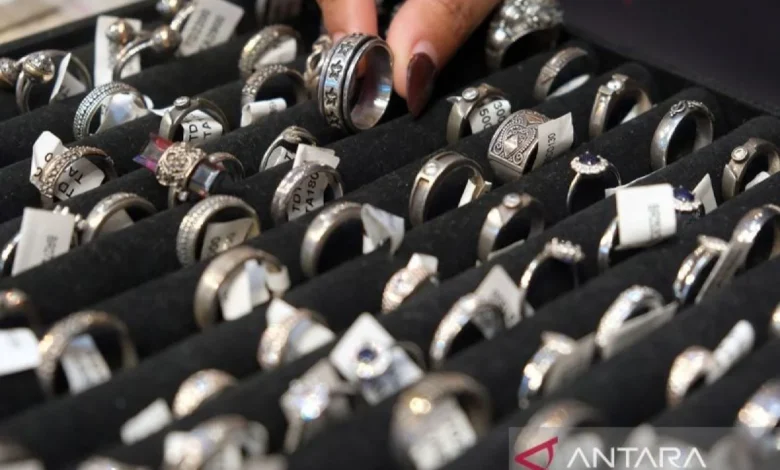
Beyond the glittering allure of gold, silver has steadily emerged as another precious metal of significant strategic value, increasingly recognized as a robust investment instrument. This growing popularity is fueled by a heightened public awareness of its future profitability potential, a trend further amplified by its indispensable role in the rapidly expanding technology sector. For investors considering diversification into this luminous asset, opportunities abound through official channels, including established financial institutions and reputable precious metal vendors, ensuring secure and credible transactions.
Understanding the Intrinsic Value of Silver
Historically and intrinsically, silver possesses a unique set of characteristics that underpin its enduring appeal. Known for its distinctive, brilliant metallic gray hue, silver is far more than just an aesthetically pleasing element. It is a valuable asset characterized by its high economic worth and exceptional electrical conductivity. Its malleability and ductility make it a vital component in a wide array of global trade and industrial applications.
The historical significance of silver cannot be overstated. From its ancient use as a medium of exchange, facilitating commerce across civilizations, to its status as a symbol of opulence and nobility, adorning the regalia of royalty in the form of exquisite jewelry and elaborate household furnishings, silver has consistently held a coveted position in human society.
In the contemporary era, defined by the accelerating pace of digitalization, silver has transcended its traditional roles to become a highly liquid and strategically important financial asset. The insatiable demand for silver is intrinsically linked to the burgeoning development of smart devices and robotics. As these technological frontiers expand, so too does the requirement for silver as a critical material component. This escalating demand is a primary driver behind the surge in investment interest, with projections indicating a sustained and robust growth trajectory, mirroring the world’s deepening reliance on future technological innovations.
Navigating Investment-Grade Silver: A Guide for the Prudent Investor
For both seasoned and novice investors, a crucial understanding is that not all forms of silver are equally suited for investment purposes. The most universally recommended investment instruments are those comprising pure silver, often referred to as "fine silver." This category encompasses silver in the form of bullion bars, coins, and grains, all boasting an impressive purity level of 99.9%. This high degree of purity makes fine silver exceptionally valuable as an investment asset, appreciated for its intrinsic worth and minimal adulteration.
However, it is important to note that due to its exceptionally high concentration of silver and the absence of other alloying metals, fine silver exhibits a relatively soft texture and is prone to scratching. This characteristic makes it less practical for direct use in the manufacturing of everyday jewelry, where durability is paramount.
Conversely, the silver commonly encountered in jewelry pieces is typically an alloy, incorporating other metals such as copper or nickel. This admixture enhances the metal’s strength and longevity. This alloyed form is known as "sterling silver," possessing a purity of approximately 92.5%. While sterling silver jewelry can be collected and appreciated for its aesthetic and craftsmanship value, its efficacy as a primary investment instrument is generally considered lower than that of fine silver. This diminished investment value stems from several factors, including the added costs associated with manufacturing and design, as well as the inherent reduction in purity compared to its unalloyed counterpart.
Therefore, the fundamental principle for maximizing investment potential in silver, much like gold, is that higher purity levels equate to a more ideal investment asset. While jewelry can offer some returns, particularly if it possesses unique design elements or historical significance, the consensus among financial advisors and precious metals experts is that silver bars generally offer superior stability and value retention for long-term investment objectives. This is not to discount the potential for jewelry to appreciate, but rather to highlight the distinct advantages of bullion for wealth preservation.
Investment Avenues: Direct Ownership vs. Indirect Holdings
Investors seeking to capitalize on the silver market typically have two primary methods of engagement available:
Direct Physical Ownership: The Tangible Investment
This method involves the direct acquisition of physical silver assets. The most prevalent forms include:
- Silver Bars (Bullion): These are minted by reputable refiners and assayers, often bearing hallmarks that attest to their weight and purity. They are a popular choice for investors seeking to hold tangible assets and benefit from economies of scale, as larger bars often command a lower premium per ounce. The global market for silver bars is robust, with recognized brands and mints providing a benchmark for quality and authenticity.
- Silver Coins: Similar to bars, investment-grade silver coins are struck by sovereign mints or recognized private mints. They are typically produced to high purity standards and come in various denominations. Coins can offer a degree of liquidity and are often favored by smaller investors or those who prefer the portability and divisibility of coins. Well-known examples include the American Silver Eagle, the Canadian Maple Leaf, and the Australian Kangaroo.
- Silver Grains: These are small, precisely weighed units of fine silver, often used by jewelers and small-scale investors. While less common for large-scale investment, they offer flexibility for those looking to invest in smaller increments.
The primary advantage of direct physical ownership lies in the investor’s complete control over their assets. There is no counterparty risk, and the investor possesses a tangible store of value that can be held securely. However, this method also entails responsibilities such as secure storage, insurance, and potentially higher transaction costs (premiums over the spot price) and the need to account for assay fees.
Indirect Investment: Leveraging Financial Markets
For investors who prefer not to manage physical assets directly, several indirect investment avenues exist:
- Exchange-Traded Funds (ETFs) backed by physical silver: These financial instruments trade on stock exchanges and are designed to track the price of silver. The ETF issuer typically holds physical silver in secure vaults, ensuring that the fund’s value is directly correlated with the market price of the underlying commodity. This offers a convenient and liquid way to gain exposure to silver prices without the logistical challenges of physical ownership. Examples include the iShares Silver Trust (SLV) and the Aberdeen Standard Physical Silver Shares ETF (SIVR).
- Silver Mining Stocks: Investing in companies that are involved in the exploration, extraction, and processing of silver can provide exposure to the silver market. The performance of these stocks is influenced by silver prices, but also by company-specific factors such as management efficiency, operational costs, and exploration success. This form of investment carries higher risk due to the inherent volatility of the mining sector.
- Futures and Options Contracts: These are derivative instruments that allow investors to speculate on the future price movements of silver. They are complex and carry significant risk, making them more suitable for experienced traders.
The choice between direct and indirect investment hinges on an individual investor’s risk tolerance, capital availability, desired level of control, and familiarity with financial markets. For those prioritizing tangible assets and long-term value preservation, direct ownership of high-purity silver bars remains a cornerstone strategy.
The Economic and Industrial Nexus: Driving Silver Demand
The multifaceted utility of silver extends far beyond its role as a precious metal. Its unique physical properties make it indispensable in numerous industrial applications, creating a robust and consistent demand that complements its investment appeal.
Industrial Applications: A Growing Dependence
- Electronics: Silver’s superior conductivity makes it the metal of choice for a vast array of electronic components. It is used in printed circuit boards, connectors, switches, and semiconductors found in everything from smartphones and computers to advanced medical devices. The proliferation of smart devices, the Internet of Things (IoT), and artificial intelligence systems directly translates into increased demand for silver.
- Renewable Energy: Solar panels, a cornerstone of the global transition to sustainable energy, rely heavily on silver. Silver paste is used to create conductive pathways on photovoltaic cells, enabling the conversion of sunlight into electricity. As global investments in solar power infrastructure continue to surge, so too does the demand for silver. According to the Silver Institute, the solar energy sector is projected to be a significant driver of silver demand in the coming years.
- Automotive Industry: Modern vehicles incorporate a growing number of electronic components, many of which utilize silver. Advanced driver-assistance systems (ADAS), electric vehicle (EV) components, and infotainment systems all contribute to this demand.
- Medical and Healthcare: Silver possesses antimicrobial properties, making it valuable in wound dressings, medical implants, and sterilization equipment. Its use in healthcare applications is expected to grow as awareness of its therapeutic benefits increases.
- Photography (Historical and Niche): While digital photography has largely replaced traditional film, silver halide crystals remain essential in some niche photographic applications and in certain scientific imaging processes.
The increasing integration of silver into these critical and expanding industries creates a structural demand that is less susceptible to the speculative whims that can affect other commodities. This industrial underpinning provides a foundational layer of value that supports silver’s investment potential.
Market Dynamics and Investor Considerations
The price of silver, like any commodity, is subject to the interplay of supply and demand, as well as broader macroeconomic factors.
Factors Influencing Silver Prices:
- Global Economic Growth: A robust global economy typically leads to increased industrial production and consumer spending, both of which drive demand for silver. Conversely, economic downturns can dampen demand and exert downward pressure on prices.
- Inflationary Pressures: Historically, precious metals like silver have been considered a hedge against inflation. As the purchasing power of fiat currencies erodes, investors often turn to tangible assets like silver to preserve their wealth.
- Geopolitical Stability: Uncertainty and instability can lead investors to seek safe-haven assets, which can include precious metals.
- Interest Rates: Higher interest rates can make interest-bearing investments more attractive, potentially drawing capital away from non-yielding assets like silver. Conversely, low interest rates can make silver a more appealing investment.
- Supply Dynamics: The supply of silver comes from both primary mining operations and byproduct recovery from base metal mining (e.g., lead, zinc, copper). Factors affecting mining output, such as labor disputes, environmental regulations, and new discoveries, can influence supply levels.
- Central Bank Policies: While gold is more commonly held by central banks, shifts in their reserve policies can indirectly influence the precious metals market.
Analytical Perspectives:
Recent analyses from market research firms and financial institutions highlight the growing institutional interest in silver. For instance, reports from the World Platinum Investment Council (WPIC) and the Silver Institute frequently point to a tightening physical market, with demand consistently outpacing newly mined supply. This persistent deficit suggests a supportive environment for price appreciation, particularly as industrial applications continue to expand.
Furthermore, the silver-to-gold ratio, which measures the number of silver ounces required to purchase one ounce of gold, often serves as a gauge for potential investment opportunities. When this ratio is historically high, it suggests that silver may be undervalued relative to gold, potentially indicating a future opportunity for silver to outperform. This ratio has historically fluctuated, offering a dynamic perspective for investors comparing the two precious metals.
Conclusion: Silver’s Enduring Appeal in a Dynamic World
In conclusion, silver’s position as a strategic investment asset is firmly established, bolstered by its rich history, intrinsic properties, and increasingly vital role in technological innovation. As the world navigates an era of rapid technological advancement and evolving economic landscapes, silver offers a compelling combination of a safe-haven asset and a growth-oriented commodity. Investors who understand the nuances of its different forms, the drivers of its market value, and the diverse avenues for acquisition are well-positioned to capitalize on the enduring appeal and rising prominence of this luminous precious metal. The prudent approach involves thorough research, a clear understanding of investment objectives, and a diversified strategy that aligns with individual financial goals and risk tolerance.