Indonesia Pioneers Sustainable Energy with Revolutionary Biofuel "Bobibos" Derived from Agricultural Waste

Jakarta, Indonesia – Indonesia is once again at the forefront of renewable energy innovation, unveiling a groundbreaking alternative fuel named Bobibos, poised to redefine the nation’s energy landscape with its eco-friendly properties and ingenious utilization of agricultural byproducts. This significant development, introduced by PT Inti Sinergi Formula, represents a pivotal step towards reducing the country’s reliance on fossil fuels and fostering a more sustainable energy future.
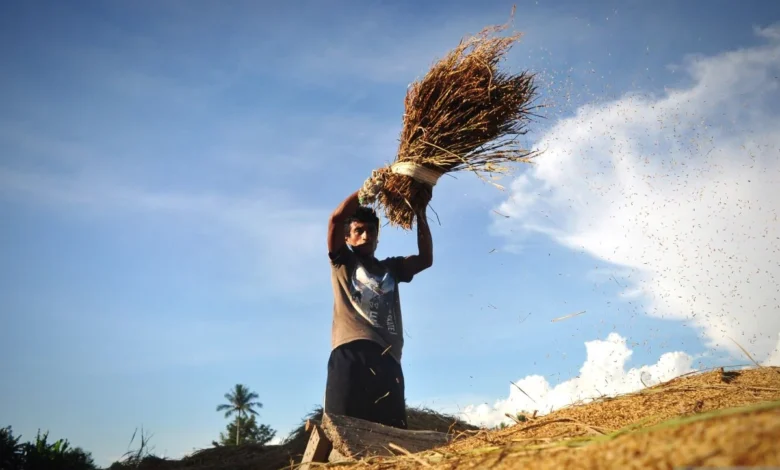
Bobibos, a portmanteau of "Bahan Bakar Original Buatan Indonesia Bos" (Indonesian Original Fuel Boss), emerged from a decade of dedicated research and development led by M. Ikhlas Thamrin and his dedicated research team. The fuel was formally introduced on Sunday, November 2nd, at an event held in Jonggol, Bogor Regency, West Java. Its primary feedstock is agricultural waste, specifically rice straw, a material historically burned post-harvest, contributing to air pollution. This innovative approach transforms a problematic waste stream into a high-value, environmentally conscious energy source.
From Straw to Sustainable Power: The Science Behind Bobibos
At its core, Bobibos falls under the category of Biofuel (Bahan Bakar Nabati – BBN). The production process involves a sophisticated bio-energy conversion method, enhanced by the proprietary injection of a "special serum." This advanced treatment effectively converts rice straw into a high-performance fuel. Crucially, Bobibos boasts a Research Octane Number (RON) of 98, placing its performance on par with premium fossil fuels.
Beyond its impressive octane rating, Bobibos offers a significant environmental advantage: a dramatic reduction in exhaust emissions. The developers claim that its combustion process emits virtually zero greenhouse gases, presenting a stark contrast to the environmental impact of traditional fossil fuels. This near-zero emission profile is a critical factor in its classification as an environmentally friendly alternative.
Addressing Energy Independence: The Genesis of Bobibos
The inception of Bobibos is deeply rooted in Indonesia’s long-standing objective to achieve greater energy independence. For over a decade, Ikhlas Thamrin has been engaged in self-funded, independent research to identify viable energy alternatives sourced from readily available domestic raw materials. The choice of rice straw as the primary input was strategic. Indonesia is a major rice-producing nation, ensuring a consistent and abundant supply of this agricultural residue. Furthermore, the efficiency of its production process promises to keep manufacturing costs down, a key factor in making Bobibos economically competitive.
Economic Empowerment for Farmers: A Circular Economy in Action
The introduction of Bobibos extends beyond energy benefits, creating a new economic paradigm for Indonesian farmers. Waste materials that were previously discarded or burned, often incurring costs or contributing to environmental degradation, are now being transformed into a valuable commodity. This process allows farmers to generate additional income streams from their agricultural byproducts. By valorizing straw, Bobibos is instrumental in fostering a circular economy within the agricultural sector, where waste is minimized, and resources are maximized.
Versatile Applications: Powering a Nation
Bobibos is being produced in two primary variants: gasoline and diesel. This dual-product offering ensures broad applicability across a wide spectrum of Indonesian machinery and transportation. The fuel is designed to be compatible with various engines, including those in motorcycles, cars, tractors, fishing boats, and even smaller industrial machinery commonly used by local businesses. This versatility is a critical factor in its potential for widespread adoption and impact.
Key Advantages of Bobibos: A Multifaceted Solution
The advantages of Bobibos are manifold and address several critical national priorities:
- Environmental Sustainability: Near-zero emissions significantly reduce air pollution and carbon footprint, contributing to national climate change mitigation goals.
- Energy Independence: Reduced reliance on imported fossil fuels strengthens national energy security and stabilizes energy prices.
- Economic Competitiveness: Targeted lower production costs aim to make Bobibos competitively priced against conventional fuels, promoting affordability.
- Farmer Empowerment: Creates new revenue streams for farmers by monetizing agricultural waste, enhancing rural economies.
- Resource Efficiency: Transforms agricultural residue, often considered waste, into a valuable energy resource.
- Potential for Byproduct Generation: The production process yields valuable co-products such as animal feed and organic fertilizer, further enhancing its economic and environmental appeal.
Endorsement and Early Trials: A Promising Beginning
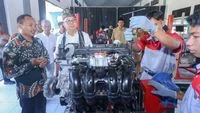
The potential of Bobibos has already garnered significant attention and support from various stakeholders. Governor of West Java, Dedi Mulyadi, personally conducted a trial of Bobibos using a diesel tractor engine at Lembur Pakuan. His assessment highlighted optimal engine performance, a lighter feel during operation, and notably cleaner exhaust emissions, underscoring the fuel’s practical efficacy.
Further demonstrating its promising trajectory, H. Amir Mahpud, owner of PT Primajasa, a prominent transportation company, has expressed his readiness to collaborate and integrate Bobibos as the fuel for his bus fleet operating in the Greater Jakarta and West Java regions. This commitment from a major industry player signifies a crucial step towards scaling up the adoption of Bobibos and validating its capabilities in commercial applications.
Such collaborations are anticipated to pave the way for broader national implementation, accelerating Indonesia’s transition towards a high-impact, competitive green energy sector.
Broader Economic and Environmental Implications: A Sustainable Cycle
The economic ripple effects of Bobibos production are substantial. It is estimated that each hectare of paddy field can yield up to 3,000 liters of biofuel. This remarkable output, coupled with the generation of valuable co-products like animal feed and organic fertilizer, positions Bobibos as a catalyst for a truly sustainable economic cycle within the agricultural sector. Farmers can transition from merely producing food to becoming integral contributors to the national supply of energy, animal feed, and fertilizers.
This holistic approach aligns with global trends in sustainable development, where agricultural practices are increasingly integrated with renewable energy production and resource management. The potential for Bobibos to create such a closed-loop system is a testament to its innovative design and its capacity to address multiple societal needs simultaneously.
Looking Ahead: Challenges and Opportunities
While the introduction of Bobibos is a momentous achievement, the path to widespread adoption will likely involve navigating several challenges. These may include scaling up production facilities to meet national demand, ensuring consistent quality control across various production sites, and establishing robust distribution networks. Furthermore, policy support and regulatory frameworks will be crucial in incentivizing the transition from fossil fuels to biofuels like Bobibos.
However, the inherent advantages of Bobibos – its environmental benefits, its contribution to energy independence, and its economic empowerment of local communities – provide a strong foundation for overcoming these hurdles. The successful demonstration of its performance and the growing interest from industry and government officials suggest a bright future for this Indonesian-made biofuel.
Indonesia’s commitment to renewable energy is underscored by initiatives like Bobibos, which not only address environmental concerns but also unlock significant economic potential. As the nation continues to explore and develop innovative solutions, Bobibos stands as a beacon of what can be achieved when ingenuity meets the urgent need for sustainable energy alternatives. The journey from agricultural waste to a high-performance, eco-friendly fuel is a compelling narrative of innovation and a testament to Indonesia’s growing prowess in the global green energy arena.
Related posts: