Pindad Confirms Focus on National Car Project, Exits National Electric Motorcycle Initiative

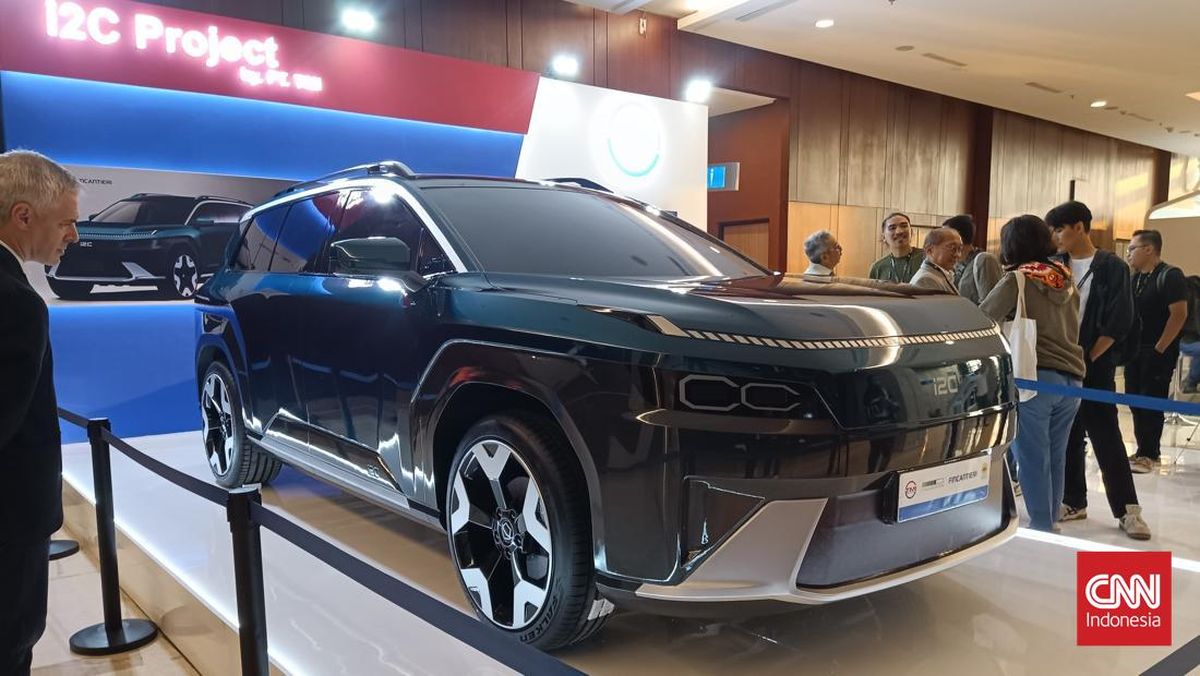
State-owned defense manufacturer PT Pindad (Persero) has officially confirmed its non-involvement in the government’s national electric motorcycle project, asserting its strategic commitment to the development and production of a national car. The company’s primary focus remains steadfastly on its automotive ambitions, while the electric motorcycle initiative will be undertaken by a separate entity designated by the government.
Sigit Puji Santoso, President Director of PT Pindad (Persero) and concurrently President Director of the Danantara Development Management Fund, articulated Pindad’s distinct governmental mandate. Speaking at the Presidential Palace complex, as reported by Antara on Thursday, July 23rd, Santoso stated, "Pindad is focused on cars. Well, for electric motorcycles, there will be another assignment." This declaration unequivocally delineates Pindad’s operational scope, signaling a strategic pivot away from broader electric vehicle ventures to concentrate its resources and expertise on the national car program.
Pindad’s Strategic Rationale and Governmental Mandate
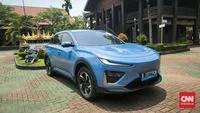
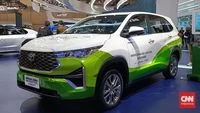
The decision by Pindad to concentrate on the national car project stems from a clear directive from the government. This strategic alignment aims to optimize the utilization of state-owned enterprise resources and expertise. Pindad, with its extensive experience in engineering, manufacturing, and defense technology, is well-positioned to contribute significantly to the complex undertaking of developing a competitive and domestically produced automobile. The national car project, often referred to as "mobnas," has been a long-standing aspiration for Indonesia, aiming to foster local industrial capabilities, reduce reliance on imported vehicles, and stimulate economic growth through the automotive sector.
National Electric Motorcycle Project Set for Near-Future Launch
Despite Pindad’s withdrawal from direct involvement, Santoso revealed that the national electric motorcycle is slated for a launch by President Prabowo Subianto in the near future. However, he remained circumspect regarding specific details, indicating that the President himself would be the primary source of information concerning the project’s specifics. This approach suggests a carefully orchestrated rollout, likely intended to maximize public anticipation and underscore the government’s commitment to sustainable transportation solutions.
A key aspect of the national electric motorcycle project, as highlighted by Santoso, is its commitment to indigenous design and branding. He emphasized that the vehicle would not adopt any existing market brands, but rather emerge with a novel marque developed entirely by Indonesian engineers. "No, there will be a new brand and the design will be by Indonesian engineers, designed by us. Design and production by us," he stated. This underscores a nationalistic agenda, aiming to showcase and cultivate local talent and innovation in the burgeoning electric vehicle industry.
The Broader Landscape of Indonesia’s Automotive Ambitions
Indonesia has been actively pursuing policies to bolster its domestic automotive industry and transition towards more sustainable transportation. The development of both a national car and a national electric motorcycle are integral components of this larger strategy. The nation possesses a vast and growing population, presenting a significant domestic market for automobiles. Furthermore, as a major producer of raw materials like nickel, a key component in electric vehicle batteries, Indonesia is strategically positioned to become a significant player in the global EV supply chain.
Background Context: A History of National Automotive Initiatives
The concept of a "national car" in Indonesia is not new. In the mid-1990s, the Timor national car project, a collaboration with South Korea’s Kia, aimed to create an affordable car for the Indonesian market. While initially met with enthusiasm, the project faced numerous challenges and ultimately did not achieve sustained success. This history likely informs the current government’s approach, emphasizing a more robust and sustainable development process, potentially with a greater emphasis on indigenous technology and long-term viability.
Similarly, the push for electric vehicles is a global trend driven by environmental concerns and the need to reduce reliance on fossil fuels. Indonesia, with its commitment to climate targets, sees electric vehicles as a crucial pathway to cleaner air and reduced carbon emissions. The development of a national electric motorcycle is particularly relevant given the high prevalence of motorcycle ownership in Indonesia, where they are a primary mode of transportation for millions.
Economic and Environmental Implications
The success of both the national car and electric motorcycle projects holds significant economic implications for Indonesia. A thriving domestic automotive industry can create substantial employment opportunities, foster the growth of ancillary industries, and contribute to the nation’s export potential. Furthermore, reducing the import of vehicles and automotive parts can lead to significant savings in foreign exchange.
Environmentally, the widespread adoption of electric vehicles, powered by increasingly renewable energy sources, can lead to a substantial reduction in air pollution in urban centers and a decrease in greenhouse gas emissions. This aligns with Indonesia’s national environmental goals and its commitments under international climate agreements.
Official Statements and Future Outlook
President Joko Widodo has previously expressed strong support for the development of electric vehicles in Indonesia. His administration has focused on creating an ecosystem that encourages investment in EV manufacturing, battery production, and charging infrastructure. The current government, under President Prabowo Subianto, appears to be building upon this foundation, with a clear vision for domestic automotive innovation.
The announcement regarding the national electric motorcycle’s upcoming launch, and Pindad’s clarified role, signals a phased approach to these ambitious projects. While Pindad dedicates its efforts to the four-wheeled sector, other state-backed or private entities are being tasked with spearheading the two-wheeled electric revolution. This division of labor is intended to ensure focused execution and specialized expertise are applied to each initiative.
The timeline for the national electric motorcycle’s official unveiling has been hinted at by Santoso, with a mention of "the 13th," though the specific month and year were not elaborated upon. This suggests that preparations are in advanced stages, and the public can anticipate further announcements in the coming weeks or months.
Analysis of Pindad’s Strategic Decision
Pindad’s decision to prioritize the national car project is a strategic move that leverages its core competencies. Developing a car is a significantly more complex undertaking than a motorcycle, involving intricate engineering, safety standards, and a more extensive supply chain. By focusing on this area, Pindad can concentrate its resources on building a robust foundation for a long-term automotive manufacturing capability. This also aligns with the government’s broader industrial development goals, which often see the automotive sector as a key driver of technological advancement and economic diversification.
The separation of responsibilities for the national car and national electric motorcycle projects allows for tailored approaches. The electric motorcycle, while still requiring significant development, may have a shorter gestation period and potentially a different set of technological and manufacturing challenges compared to a full-fledged national car. This allows the government to pursue multiple avenues of automotive innovation concurrently, maximizing the potential for success across different segments of the market.
Broader Implications for the Indonesian Automotive Sector
The clear articulation of Pindad’s focus and the impending launch of the national electric motorcycle signal a dynamic period for Indonesia’s automotive industry. It indicates a strong governmental commitment to fostering indigenous manufacturing capabilities and embracing sustainable technologies. The success of these initiatives will depend on a multitude of factors, including effective policy implementation, robust private sector participation, investment in research and development, and the cultivation of a skilled workforce.
Furthermore, the development of new national brands, designed and produced by Indonesians, has the potential to instill national pride and boost the perception of Indonesian technological prowess on the global stage. As the nation navigates the transition to electric mobility and seeks to establish a stronger presence in the global automotive market, these projects represent significant steps forward. The coming months will likely see further details emerge regarding the entities responsible for the electric motorcycle project, the specific models planned, and the broader strategies to integrate these new vehicles into the Indonesian transportation landscape.