A Legacy of Infamy: The Borden Case Revisited
The case of Lizzie Borden is perhaps the most famous unsolved mystery in American legal history. On August 4, 1892, the quiet, industrial city of Fall River, Massachusetts, was rocked by the discovery of the mutilated bodies of Andrew Jackson Borden and his wife, Abby Durfee Gray Borden. Andrew, a wealthy bank president and real estate mogul known for his extreme frugality and stoic demeanor, was found dead in his living room, his face unrecognizable due to repeated strikes from a sharp, heavy object—later determined to be a hatchet. His wife, Abby, was discovered in the guest bedroom, having met an equally horrific fate.
For over a century, the Borden murders have served as a macabre cultural touchstone. The nursery rhyme—"Lizzie Borden took an axe, gave her mother forty whacks…"—has persisted in the American consciousness, though historians note the rhyme is factually inaccurate. The actual number of strikes, as determined by the coroner, was significantly lower, yet the myth surrounding the "spinster daughter" has only grown more potent with time. This new Netflix production, spearheaded by writer Ian Brennan, seeks to move beyond the folklore to examine the psychological environment of the Borden household.
The Domestic Powder Keg: Contextualizing the Conflict
To understand the tragedy, one must examine the fractured dynamics of the Borden home. Born in 1860, Lizzie was the youngest daughter of Andrew and Sarah Anthony Morse Borden. Her childhood was marked by early loss; her mother passed away when Lizzie was only three years old. The subsequent marriage of Andrew to Abby Durfee Gray in 1866 introduced a stepmother into a household that was already prone to tension.
Historical records indicate that as Lizzie entered adulthood, the atmosphere within the family residence became increasingly toxic. Lizzie’s disdain for her stepmother was an open secret among neighbors and staff. She reportedly refused to call Abby "Mother," instead addressing her formally as "Mrs. Borden." This personal friction was exacerbated by Andrew’s financial choices. As a man who had pulled himself out of poverty, Andrew was famously parsimonious. However, Lizzie perceived his generosity toward his wife’s relatives as a direct threat to her own inheritance. The suspicion that Abby had married Andrew solely for his wealth created an environment of surveillance and resentment that served as the catalyst for the eventual carnage.
Chronology of a Tragedy: August 4, 1892
The timeline of the murders remains the focal point of the series’ narrative structure. On the morning of August 4, the household included Andrew, Abby, Lizzie, her sister Emma, and the live-in maid, Bridget "Maggie" Sullivan.
- Early Morning: The day began with a breakfast that would be the final meal for the senior Bordens. John Morse, Lizzie’s uncle, had arrived the previous evening, adding another layer of complexity to the house’s occupancy.
- Late Morning: Following the departure of Morse and Andrew for business, the house settled into a routine. The staff, Sullivan, was engaged in domestic chores, while Lizzie and Emma were purportedly occupied with household duties.
- The Discovery: Around 11:15 AM, Andrew returned home. When he found the door locked, the ensuing confusion and the subsequent discovery of his body by Lizzie created a chaotic scene. When the police were summoned, they discovered that Abby had been dead for significantly longer than her husband, suggesting the killer had remained in the house between the two slayings.
Lizzie’s behavior in the immediate aftermath was described by witnesses as detached and inconsistent. She provided conflicting accounts of her whereabouts during the windows of time in which the murders occurred. This lack of a solid alibi, combined with the discovery of a burned dress in the days following the crime, formed the backbone of the prosecution’s case against her.
Production and Creative Vision
The fourth season of Monster marks a significant departure in its creative oversight. While Ian Brennan returns as the sole writer, the directorial duties have been handed to Max Winkler and Sarah Adina Smith. This shift in vision is intended to bring a more intimate, claustrophobic aesthetic to the series, focusing on the stifling nature of 19th-century gender roles.
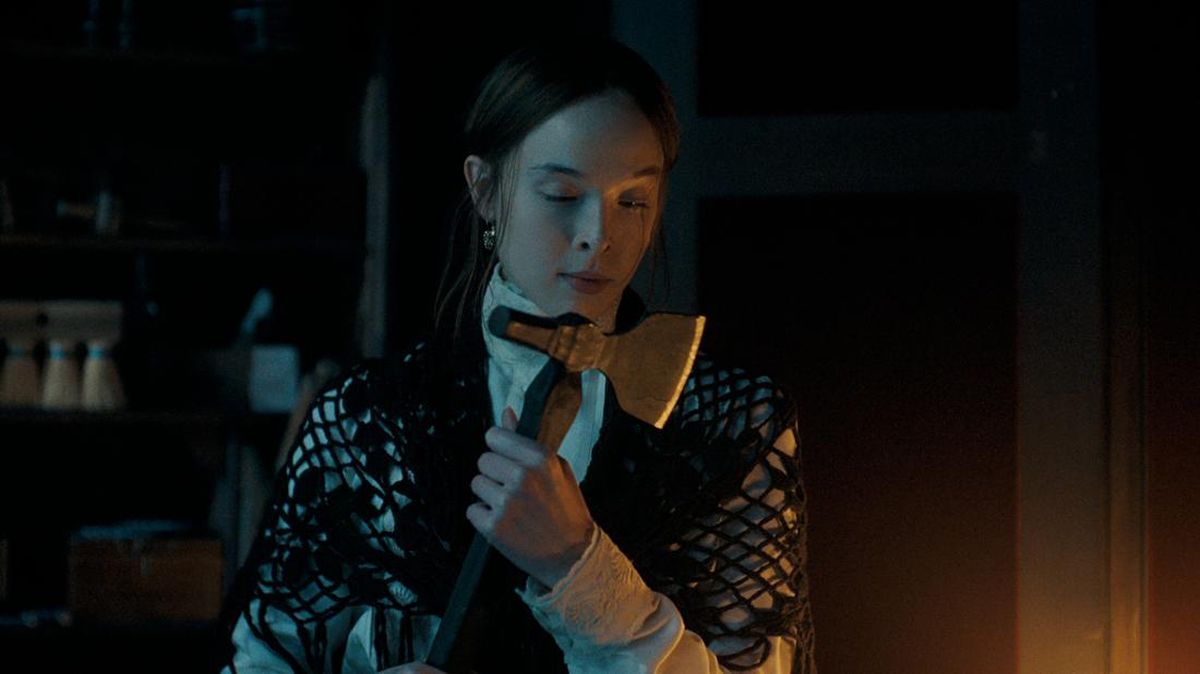
The casting reflects the production’s ambition to lend gravitas to the historical drama. Vicky Krieps leads the ensemble as the enigmatic Lizzie Borden, supported by an impressive lineup including Charlie Hunnam, Rebecca Hall, Jessica Barden, Joey Pollari, Billie Lourd, and Sarah Paulson. The series aims to balance the period-accurate reconstruction of 1890s Massachusetts with the modern, high-intensity storytelling that has become the hallmark of the Monster brand.
Forensic Analysis and Historical Implications
From a legal standpoint, the trial of Lizzie Borden remains a masterclass in the limitations of 19th-century forensics. The lack of blood-spattered clothing on the suspect, the absence of a weapon, and the sheer ferocity of the attacks led to an acquittal that many at the time found difficult to reconcile with the evidence. Modern forensic analysts who have reviewed the case records suggest that while the physical evidence was circumstantial, the societal refusal to believe that a woman of Lizzie’s social standing could commit such a heinous act likely played a role in the jury’s verdict.
The implications of the case extended far beyond the courtroom. It highlighted the intersection of class, gender, and violence in post-Civil War America. By framing the series through the lens of a "monster," the production invites viewers to consider whether Lizzie was the architect of her own fate or a victim of a patriarchal system that left her with few avenues to claim agency over her life and wealth.
Public and Critical Anticipation
As the release date approaches, the anticipation for Monster: The Lizzie Borden Story is palpable. True-crime enthusiasts and historians alike are eager to see how the series navigates the fine line between historical accuracy and dramatic license. The shift toward a female-centric narrative has been praised as a necessary evolution for the anthology, providing a fresh perspective on the "monster" archetype.
Netflix has maintained a tight lid on the final episodes, but early screenings suggest that the series does not offer a definitive "whodunit" answer. Instead, it focuses on the ambiguity of the human condition. In a climate where true crime has become a staple of streaming consumption, the Borden story offers a unique opportunity to explore the roots of American macabre obsession.
The production is expected to spark renewed interest in the Lizzie Borden House, which currently operates as a museum and bed-and-breakfast in Fall River. The intersection of history and entertainment has often fueled tourism in the region, and the release of this series will likely see an influx of visitors seeking to walk the halls where the infamous events of 1892 took place.
As the industry looks toward the release, the consensus is clear: Monster is not merely recounting a crime; it is interrogating the mythology of an American icon. Whether or not Lizzie Borden was a murderer, she remains a figure of profound historical interest—a woman whose life, and the blood spilled in her home, continues to defy easy explanation. With a runtime of eight episodes, the series promises a deep dive into the Victorian underworld, ensuring that the legend of the axe-wielding daughter remains as sharp and dangerous as the weapon that made her famous.