Hari Olahraga Nasional: A Historical Retrospective on Indonesia’s Sporting Identity and Evolution

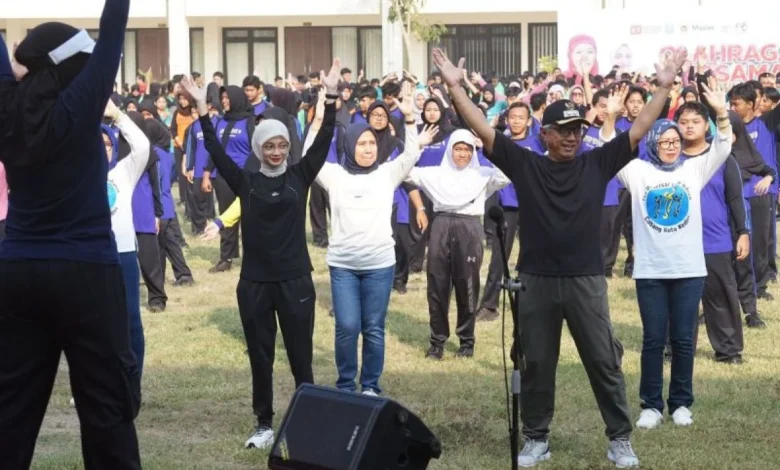
Every September 9, Indonesia observes Hari Olahraga Nasional (Haornas), a day dedicated to celebrating the nation’s athletic heritage and promoting the vital role of physical activity in the life of its citizens. While the date serves as a reminder of the country’s progress in the global arena, its origins are deeply rooted in the struggle for national recognition and identity shortly after independence. As the nation marks the 43rd anniversary of the official declaration of Haornas in 2026, the occasion serves as both a historical reflection and a forward-looking mandate to cultivate a healthier, more disciplined, and unified society.
The Genesis of National Pride: The First PON
The story of Haornas begins not in a boardroom, but on the field of competition in the city of Solo, Central Java. In 1948, the Republic of Indonesia was still in its infancy, grappling with the immense challenges of post-colonial state-building and international diplomatic isolation. Seeking to assert its sovereignty on the global stage, Indonesia set its sights on the 1948 London Olympic Games. However, the international community remained hesitant to recognize the fledgling nation’s independent status, leading to insurmountable administrative hurdles that prevented the Indonesian contingent from participating under its own flag.
Refusing to be sidelined, the government and visionary leaders in the sporting community decided that if they could not showcase Indonesian talent in London, they would bring the spirit of the Olympics home. From September 9 to 12, 1948, the inaugural Pekan Olahraga Nasional (PON) was held in Solo. This event was far more than a sporting competition; it was a defiant statement of national existence. It signaled to the world that Indonesia possessed the organizational capacity, the athletic talent, and the national unity to host a multi-sport event. The date of the opening ceremony, September 9, was etched into the national consciousness as a cornerstone of Indonesian sports history.
Formalizing the Tradition: From 1983 to the Present
While the spirit of September 9 had been celebrated informally for decades, it was not until 1983 that it was formally recognized as a national day. During the inauguration of the renovated Sriwedari Stadium in Surakarta, President Soeharto officially proclaimed September 9 as Hari Olahraga Nasional. This act was designed to institutionalize the culture of physical fitness and to create a structured approach to national sports development.
The legal framework was solidified shortly thereafter with the issuance of Presidential Decree (Keppres) Number 67 of 1985. This decree served as the official mandate for the government to foster, promote, and sustain the development of sports across all regions of the archipelago. Since that time, Haornas has evolved from a symbolic date into a strategic mechanism for the Ministry of Youth and Sports (Kemenpora) to drive national initiatives aimed at improving public health and athletic competitiveness.
Chronology of National Sporting Development
To understand the trajectory of Indonesian sports, one must view it through a chronological lens that balances grassroots development with elite performance:
1948: The first PON is held in Solo, establishing the fundamental link between national identity and sports.
1962: Indonesia hosts the Asian Games in Jakarta, marking the country’s emergence as a significant player in regional sports infrastructure and event management.
1983: President Soeharto formally establishes Haornas, institutionalizing the promotion of sports culture.
1985: Presidential Decree No. 67/1985 is enacted, providing the legal foundation for the annual commemoration.
2000s–Present: The focus shifts toward "Sport Tourism" and the integration of digital technology in athlete training and scouting.
2028: Upcoming initiatives, such as the plan to position Sumba Timur as a hub for sport tourism during the 2028 PON, indicate a shift toward utilizing sports to drive economic growth in rural areas.
The Multi-Faceted Impact of Sports on Society
The contemporary significance of Haornas transcends the mere celebration of professional victories or medal tallies. In the current policy landscape defined by the Ministry of Youth and Sports, Haornas is framed as a catalyst for social engineering. The ministry’s 2025 guidelines emphasize that sports are a reflection of a nation’s character—nurturing discipline, fostering resilience, and promoting unity in a diverse country.
From a public health perspective, the movement is critical. With shifting lifestyle patterns in urban Indonesia, the rise of sedentary behavior has become a policy concern. Haornas acts as an annual "call to action," encouraging citizens to incorporate physical activity into their daily routines. By democratizing access to sports, the government aims to reduce the long-term burden on the national healthcare system, viewing physical fitness as a preventative measure against chronic illness.
Economic and Infrastructure Implications
The evolution of the sports sector has also led to a growing emphasis on its economic potential. Recent discussions within the Kemenpora have highlighted the necessity for significant investment in infrastructure. For instance, the proposed budget of Rp1.5 trillion to build modern academies and training centers reflects a strategic shift toward long-term talent cultivation. By creating centralized hubs, the government hopes to standardize training methods and improve the country’s performance in international rankings.
Moreover, the intersection of sports and tourism—often termed "sport tourism"—has become a vital component of local economic development. The decision to leverage the 2028 PON as a means to turn Sumba Timur into an "etalase" or showcase for sport tourism serves as a blueprint for other regions. By hosting major events in areas that are not traditional urban centers, the government hopes to distribute economic benefits more equitably, encouraging tourism spending and infrastructure improvement in under-developed regions.
Challenges and Future Outlook
Despite the progress made since 1948, the path forward is not without challenges. The primary hurdle remains the disparity in sporting infrastructure between the major cities and the outer islands. While Jakarta and Java have historically benefited from the concentration of facilities, the government’s current policy objective is to decentralize these assets.
Furthermore, the professionalization of the sports industry requires a continuous influx of funding and private sector collaboration. The Kemenpora has noted that government funding alone is insufficient to sustain the high costs of world-class athlete development, international event hosting, and the maintenance of sophisticated sports facilities. This realization has triggered efforts to incentivize private sector sponsorship and public-private partnerships.
The 2026 Observance: A Call to Action
As the nation commemorates the 43rd anniversary of Haornas on September 9, 2026, the focus is squarely on the duality of participation and excellence. The Kemenpora has called on all levels of society—from schools and community organizations to corporate entities—to treat the day not just as a holiday, but as an opportunity to reignite the national passion for physical movement.
For the individual, the commemoration is an invitation to engage in community sports, support local athletes, and integrate exercise into family life. For policymakers, it is a time to review the efficacy of current programs and ensure that the spirit of the 1948 PON remains alive: that Indonesia, through its athletes and its citizens, remains a resilient and determined force on the world stage.
In summary, the journey from the modest fields of Solo in 1948 to the modern, tech-driven sports landscape of 2026 highlights a transformation that mirrors the nation’s own growth. Hari Olahraga Nasional is a testament to the fact that while the context of the struggle has changed, the underlying need for a strong, healthy, and disciplined nation remains constant. As the cycle of sports development continues, the legacy of those early pioneers in Solo remains the heartbeat of Indonesia’s enduring commitment to excellence, health, and national unity. Whether through the professional achievement of elite athletes or the simple, daily activity of a citizen walking in a local park, the spirit of Haornas continues to define the collective character of the Indonesian people.