Toyota Kijang Innova Zenix Receives Major Technology Upgrade with Advanced T-Intouch Remote Features and Enhanced Digital Ecosystem

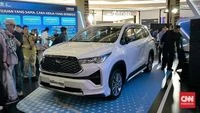
Jakarta, CNN Indonesia — Toyota has officially rolled out a comprehensive technology update for its popular multi-purpose vehicle (MPV) lineup, the Kijang Innova Zenix, spanning both gasoline and hybrid electric vehicle (HEV) variants. The latest upgrade introduces a sophisticated suite of telematics features under the banner of T-Intouch with Toyota Remote, seamlessly integrating the vehicle’s core functions into the user’s smartphone. This technological leap reflects the broader automotive industry shift toward connected vehicle ecosystems, where software integration and remote accessibility are becoming standard expectations for modern car buyers.
The newly enhanced telematics system empowers owners to operate several vital vehicle functions directly from a dedicated mobile application. Among the most prominent capabilities is the ability to remotely start the engine, adjust the cabin air conditioning (AC) temperature, and lock or unlock the vehicle doors from virtually anywhere with a cellular connection. This integration is designed to enhance convenience, security, and overall comfort, marking another milestone in Toyota’s ongoing efforts to digitize the driving experience for Indonesian consumers.
Convenience Meets Comfort: Remote Cabin Conditioning and Security
The introduction of smartphone-based remote operation is more than a mere novelty; it serves practical daily use cases for drivers navigating tropical climates. By allowing users to pre-cool the cabin before entering the vehicle, the remote AC adjustment feature ensures that passengers are greeted by a comfortable environment the moment they step inside. This capability is particularly beneficial in dense urban settings across Indonesia, where vehicles are frequently parked under direct sunlight for extended periods.
Furthermore, the remote door-locking function addresses a common source of anxiety for many motorists. Vehicle owners can now verify and secure their car doors directly from their smartphones, eliminating the need to physically return to the vehicle to double-check if it was locked. These functionalities operate through the T-Intouch Remote Control service, representing a substantial upgrade to the vehicle’s embedded connectivity architecture.
Beyond climate and access controls, Toyota has integrated a comprehensive Dashboard Status feature into the mobile application. This tool enables owners to monitor critical vehicle metrics remotely, including the current odometer reading, fuel level status, and average fuel consumption as recorded by the Multi-Information Display (MID). By putting real-time diagnostic data into the hands of the driver, Toyota aims to foster proactive vehicle maintenance and better trip planning.
Prioritizing Safety with In-Car SOS Integration
While connectivity and convenience are central to the new update, safety remains a critical pillar of Toyota’s engineering philosophy. The refreshed Kijang Innova Zenix models now come equipped with an In-Car SOS Button, designed to assist occupants during critical or unexpected roadside emergencies.
Strategically positioned near the cabin lighting cluster for quick and intuitive access, the physical SOS button allows users to connect directly with Toyota Customer Care. Through this dedicated channel, drivers can request immediate assistance, including Emergency Roadside Assistance (ERA), in the event of a mechanical breakdown, accident, or medical emergency while on the road. This proactive safety net provides an added layer of security for families and frequent long-distance travelers who rely heavily on the Innova Zenix for their mobility needs.
Digital Transformation of the Automotive Retail and After-Sales Landscape
The deployment of advanced telematics inside the cabin is mirrored by an equally robust digital transformation in Toyota’s sales and after-sales ecosystem. Alongside the vehicle updates, the company continues to leverage comprehensive digital platforms such as Auto2000 Digiroom to streamline the customer journey.
Developed by Auto2000, the largest official Toyota dealer network in Indonesia, the Digiroom platform serves as a centralized digital hub for automotive needs. From exploring vehicle specifications and configuring purchases to booking periodic maintenance schedules, the platform provides uninterrupted access to services without requiring physical visits to a dealership showroom.
Nur Imansyah Tara, Marketing Division Head of Auto2000, emphasized that the Digiroom application was intentionally engineered to serve as an integrated ecosystem. According to Tara, the platform offers personalized and holistic services tailored to meet the evolving demands of tech-savvy modern consumers who prioritize digital efficiency and transparency.
Background Context: The Evolution of the Kijang Innova Zenix
The introduction of advanced telematics to the Kijang Innova Zenix builds upon the vehicle’s rich historical legacy and recent revolutionary platform shift. Originally introduced in Indonesia decades ago as a rugged, utility-focused commercial and family vehicle, the Kijang nameplate has undergone a profound metamorphosis over generations.
In late 2022, Toyota completely redesigned the vehicle from the ground up, transitioning the traditional ladder-frame chassis to the modern Toyota New Global Architecture (TNGA-C) unibody platform. This structural shift allowed for a front-wheel-drive layout, significantly improved driving dynamics, maximized interior space, and paved the way for the introduction of a fifth-generation hybrid electric powertrain.
As the Innova Zenix rapidly gained market share as one of Indonesia’s best-selling electrified vehicles, customer expectations regarding in-car technology scaled accordingly. The integration of advanced telematics like T-Intouch represents a natural progression in Toyota’s strategy to keep the model competitive against an influx of technologically advanced rivals entering the domestic market, particularly from emerging global EV manufacturers.
Chronology of Digital Integration in Toyota Vehicles
The rollout of smartphone-based remote connectivity did not happen overnight; it is part of a phased technological roadmap implemented by PT Toyota-Astra Motor (TAM) across its vehicle lineup.
Initial phases of the T-Intouch system focused primarily on basic telematics, such as stolen vehicle tracking, geo-fencing alerts, and basic vehicle inquiry services like location tracking. Over the subsequent model years, Toyota progressively expanded these capabilities to include more interactive features, culminating in the remote engine start and climate control functions currently deployed on the latest Innova Zenix gasoline and hybrid variants.
Industry analysts note that this phased integration allows automakers to test software stability, server infrastructure, and user adoption rates before deploying complex features at scale. The current iteration reflects a mature connected-car architecture capable of handling real-time data exchange between the vehicle’s electronic control units (ECUs) and cloud-based mobile applications.
Market Implications and Economic Analysis
The integration of advanced telematics and robust digital after-sales platforms carries significant implications for the Indonesian automotive sector. As vehicle ownership increasingly intertwines with mobile technology, brands that successfully offer seamless digital ecosystems are positioned to secure higher customer loyalty and retention rates.
For Toyota, equipping high-volume models like the Kijang Innova Zenix with connected-car features democratizes technology that was previously restricted to luxury or premium vehicle segments. This strategy not only enhances the perceived value of the vehicle but also encourages consumer acceptance of electrified powertrains, as hybrid buyers gain access to the latest convenience and safety innovations.
Furthermore, digital platforms like Auto2000 Digiroom streamline dealership operations by shifting routine administrative tasks, service bookings, and initial sales consultations into digital channels. This optimization allows dealership staff to focus on delivering high-touch physical experiences during vehicle delivery and complex mechanical servicing.
Looking ahead, industry experts anticipate that connected-car services will evolve beyond remote controls and basic diagnostics. Future updates may incorporate over-the-air (OTA) software updates, predictive maintenance algorithms powered by artificial intelligence, and deeper integration with smart home devices. By continuously expanding the capabilities of the T-Intouch ecosystem and strengthening digital retail touchpoints, Toyota is laying a durable foundation for the future of personal mobility in Indonesia, ensuring that its most iconic family vehicle remains relevant, competitive, and technologically empowered for years to come.