
Boeing Max 9 Plane Grounded
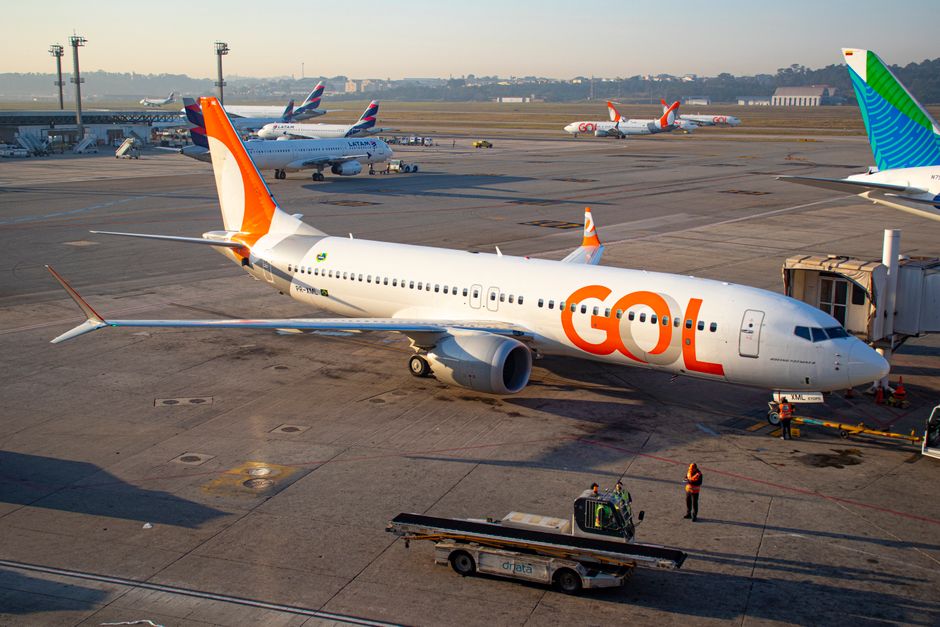
Boeing 737 MAX 9 Grounded: Unpacking the Latest Crisis for the Stalled Aircraft
The grounding of the Boeing 737 MAX 9 fleet, a direct consequence of a terrifying mid-air incident involving an Alaska Airlines flight on January 5, 2024, has plunged the already embattled aircraft back into a deepening crisis. A significant plug door panel detached from the fuselage shortly after takeoff, exposing the cabin to depressurization and prompting an emergency landing. While no fatalities or serious injuries were reported, the event has triggered immediate regulatory action, extensive investigations, and renewed scrutiny of Boeing’s manufacturing and quality control processes, once again casting a long shadow over the future of the 737 MAX program and the reputation of its manufacturer.
The incident itself, involving Alaska Airlines Flight 1282, a Boeing 737 MAX 9, was a stark and highly publicized demonstration of potential catastrophic failure. As the aircraft ascended to cruising altitude, a section of the fuselage, specifically a rear emergency exit door plug, violently detached. This resulted in a sudden and extreme loss of cabin pressure, accompanied by the chaotic suction of loose items from the cabin. Oxygen masks deployed, and the pilots, exhibiting commendable skill and quick thinking, were able to safely return the aircraft to Portland International Airport. The visual evidence – images and videos of the gaping hole in the aircraft’s side – circulated globally, instantly igniting fears and concerns among passengers and aviation professionals alike. The immediate aftermath saw the Federal Aviation Administration (FAA) issue an emergency airworthiness directive (AD), mandating the grounding of all Boeing 737 MAX 9 aircraft operating in the United States. This directive was swiftly followed by similar actions from aviation authorities in other countries, including Canada and Mexico, demonstrating a unified global response to the perceived safety risk.
The FAA’s emergency AD placed a temporary operating limitation on Boeing 737 MAX 9 aircraft. This grounding specifically affected approximately 171 aircraft in the United States. The directive mandated that operators conduct thorough inspections of door plugs, their surrounding structures, and related components. The primary focus of these inspections was to identify any missing or improperly installed hardware, such as bolts, rivets, or locking mechanisms, which could have contributed to the failure of the plug door. The FAA emphasized that the grounding would remain in effect until operators had completed these detailed inspections and confirmed that the door plug was properly secured and compliant with all applicable safety standards. This rigorous inspection process, while necessary for safety, introduced significant operational and financial disruptions for airlines that rely heavily on the MAX 9 for their route networks.
The Alaska Airlines incident immediately led to an intensive investigation by the National Transportation Safety Board (NTSB). The NTSB’s primary objective was to determine the root cause of the door plug failure. Early indications and subsequent investigations pointed towards potential manufacturing and assembly defects. Specifically, the focus has been on the process by which the door plug was installed at Boeing’s Renton, Washington, factory. Reports and preliminary findings from the NTSB suggested that the door plug in question was not properly secured, with evidence of missing components and improper alignment of certain fastening mechanisms. The investigation has delved into the specific procedures followed during the manufacturing process, the quality control checks in place, and the training and oversight provided to the personnel involved in the installation of these critical fuselage components.
This latest crisis for the 737 MAX 9 is inextricably linked to the aircraft’s troubled past. The original 737 MAX 8 faced a devastating period following two fatal crashes in 2018 and 2019: Lion Air Flight 610 and Ethiopian Airlines Flight 302. These accidents, which claimed the lives of 346 people, were ultimately attributed to a flawed flight control software system, the Maneuvering Characteristics Augmentation System (MCAS). The MCAS, designed to prevent the aircraft from stalling, had a tendency to repeatedly push the nose down, overriding pilot input. The subsequent global grounding of the entire 737 MAX fleet lasted for nearly two years, severely damaging Boeing’s reputation and leading to significant financial losses. While the MAX 8 was eventually recertified after extensive software modifications and pilot training enhancements, the MAX 9, which shares many design similarities with the MAX 8, including the same MCAS system, has remained under a microscope. The Alaska Airlines incident has unfortunately reignited those deeply embedded concerns about the overall design integrity and manufacturing quality of the 737 MAX family.
The implications of the 737 MAX 9 grounding extend far beyond the immediate operational disruptions. For Boeing, it represents a severe blow to its efforts to rebuild trust and regain market confidence. The company has been on a long road to recovery since the MAX 8 crashes, striving to demonstrate that it has learned from its past mistakes and implemented robust quality control measures. This new incident directly challenges those assertions and will likely lead to increased pressure from regulators, customers, and the flying public. The financial ramifications for Boeing are substantial, encompassing potential compensation claims from airlines, costs associated with rectifying manufacturing issues, and the ongoing reputational damage that could affect future aircraft orders.
Airlines operating the 737 MAX 9 have been forced to scramble to mitigate the impact of the grounding on their flight schedules. This has involved reconfiguring aircraft assignments, utilizing other aircraft in their fleets, and in some cases, canceling or delaying flights. The financial burden on these carriers is significant, encompassing lost revenue, increased operating costs due to the need for alternative aircraft, and potential compensation for affected passengers. For carriers that have invested heavily in the 737 MAX 9 as a core component of their fleet strategy, this grounding represents a substantial setback, forcing them to re-evaluate their capacity planning and operational resilience.
The grounding has also placed an intensified spotlight on the oversight role of the FAA and other aviation regulatory bodies. While the FAA’s swift action in issuing the emergency AD is commendable, it also raises questions about the effectiveness of its previous certification processes and ongoing oversight of Boeing’s manufacturing operations. Critics argue that regulatory bodies may have become too close to the manufacturers they are tasked with overseeing, potentially leading to a relaxation of scrutiny. This incident will undoubtedly fuel calls for more stringent oversight and potentially a re-evaluation of the certification framework for new aircraft models.
The ongoing investigations are crucial for determining the precise failures in Boeing’s manufacturing and quality assurance systems. Potential areas of focus include: the supply chain for components, the training and competency of assembly line workers, the effectiveness of in-process inspections, and the final quality control checks before an aircraft is delivered to an airline. The NTSB’s findings, along with any parallel investigations by other international bodies, will be instrumental in identifying systemic issues that need to be addressed to prevent similar incidents from occurring in the future. The NTSB will likely examine the roles of both Boeing and its supplier, Spirit AeroSystems, which manufactures the fuselage sections for the 737 MAX, including the door plugs.
The recovery path for the Boeing 737 MAX 9 will be arduous and heavily dependent on the outcomes of the ongoing investigations and Boeing’s demonstrated ability to implement meaningful and lasting improvements. The company will need to not only fix the immediate manufacturing issue but also fundamentally reassure regulators, airlines, and the public that its commitment to safety is unwavering and that its quality control processes are exceptionally robust. This will likely involve significant investment in training, technology, and personnel dedicated to quality assurance. Transparency throughout the investigation and remediation process will be paramount for rebuilding trust.
The future of the 737 MAX program, and by extension, Boeing’s standing in the global aerospace market, hangs in the balance. While the MAX 9 grounding is a significant setback, it is not necessarily an insurmountable obstacle. However, the company must navigate this crisis with a level of diligence, transparency, and commitment to safety that demonstrably surpasses its past performance. The aviation industry as a whole will be watching closely, seeking to understand the lessons learned and the corrective actions implemented to ensure the continued safety of air travel. The long-term impact of this event will be determined by the thoroughness of the investigations, the effectiveness of the implemented solutions, and Boeing’s sustained dedication to upholding the highest standards of safety and quality in aircraft manufacturing. The immediate focus remains on the safe return of the grounded aircraft to service, but the broader implications for Boeing’s reputation and the future of the 737 MAX family are profound and will be felt for years to come.
