Donna Agnesia’s Appearance in Hijab at Rachmat Gobel’s Tahlil Event Sparks Discussion on Interfaith Harmony and Public Respect

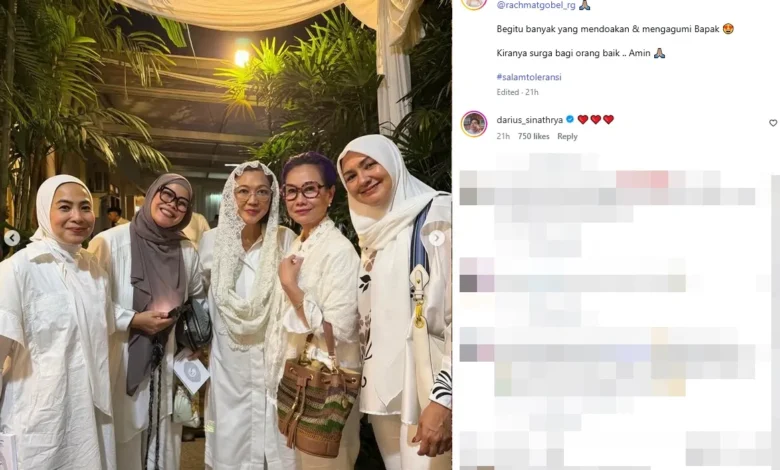
Jakarta, Indonesia – Prominent Indonesian television presenter Donna Agnesia garnered significant public attention on Friday, July 17, 2026, when she attended the seven-day tahlil prayer ceremony for the late businessman and politician H. Rachmat Gobel. Her decision to don a white hijab, paired with an all-white ensemble, marked a notable departure from her usual public appearance, drawing widespread commendation for her gesture of interfaith respect and tolerance. The event, held at the residence of the esteemed departed, became a poignant moment of collective remembrance and a quiet testament to Indonesia’s cherished values of unity in diversity.
A Gesture of Respect Amidst National Mourning
The tahlil ceremony, a traditional Islamic ritual performed to pray for the deceased, particularly significant in Indonesian Muslim culture, was held to commemorate the seventh day since the passing of H. Rachmat Gobel. A towering figure in both the business and political landscapes of Indonesia, Gobel’s demise had sent ripples across the nation, prompting an outpouring of condolences from various sectors. Donna Agnesia, a devout Catholic, chose this solemn occasion to demonstrate profound respect for the departed and his grieving family by adhering to the Islamic dress code for women. Her attire, featuring a neatly draped white triangular hijab and a modest white outfit, was meticulously documented in a series of photographs she shared on her personal Instagram account later that day. The images quickly went viral, eliciting a wave of positive reactions from her millions of followers and the broader Indonesian public, many of whom expressed admiration for her poise and the powerful message conveyed through her actions. Netizens frequently used terms like "pangling," meaning strikingly different or unrecognisable, to describe her transformed appearance, underscoring the impact of her sartorial choice.
The Legacy of H. Rachmat Gobel: A Multifaceted Leader
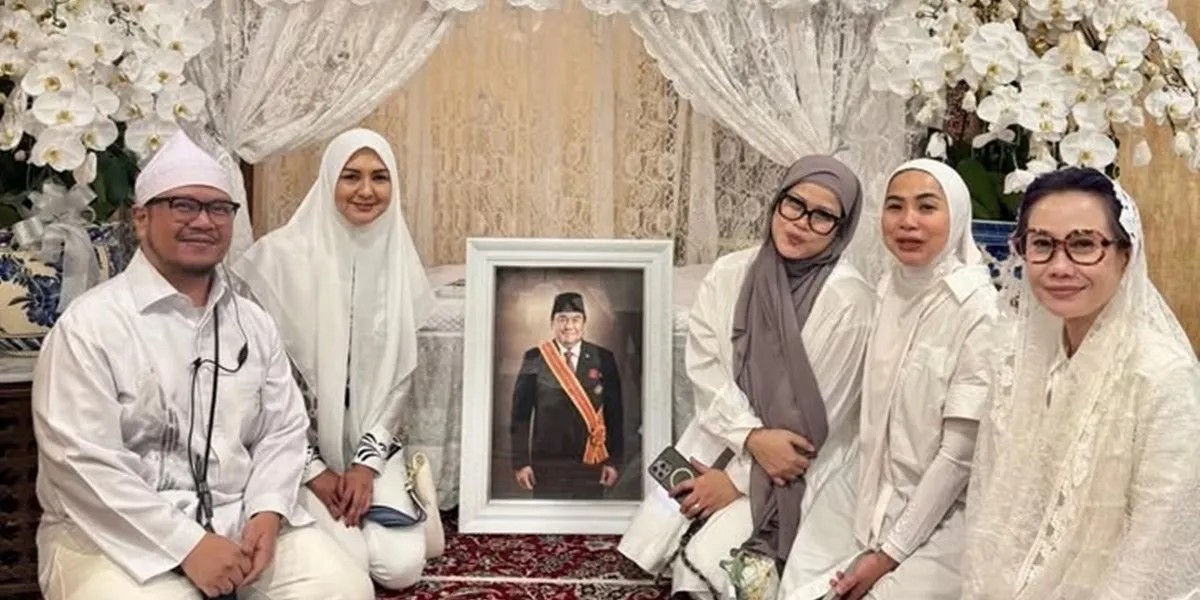
To fully appreciate the significance of the event and the attendance of prominent figures like Donna Agnesia, it is crucial to understand the stature of H. Rachmat Gobel. Born on September 3, 1962, Gobel was a scion of the influential Gobel Group, a conglomerate with deep roots in Indonesia’s electronics industry, famously associated with Panasonic. His father, Thayeb Mohammad Gobel, founded the company, making Rachmat a second-generation leader who significantly expanded its reach and influence. Beyond his corporate achievements, Gobel carved out a distinguished career in public service. He served as the Minister of Trade of Indonesia from 2014 to 2015 under President Joko Widodo’s first cabinet, a role where he championed domestic industry and navigated complex international trade agreements. Following his ministerial tenure, he was elected as a member of the House of Representatives (DPR) for the 2019-2024 period, representing Gorontalo. In the DPR, he held key positions, including Deputy Speaker, where he continued to advocate for economic development, regional autonomy, and social welfare. His contributions extended to numerous national and international business councils, cementing his reputation as a visionary leader committed to Indonesia’s progress. His passing on July 11, 2026, at the age of 63, after a period of illness, left a void in both the private and public sectors, making the tahlil ceremony a widely observed event for those wishing to pay their last respects.
The Cultural and Religious Significance of Tahlil
The tahlil ceremony is a deeply embedded practice within the Islamic traditions of Indonesia, particularly among adherents of the Nahdlatul Ulama (NU) and other traditionalist Muslim communities. It typically involves the collective recitation of specific verses from the Quran (such as Surah Yasin), various dhikr (remembrance of Allah), and prayers (doa) for the deceased. The gathering serves multiple purposes: to offer spiritual solace to the grieving family, to pray for forgiveness and blessings for the departed soul, and to foster communal solidarity. Often held on specific days following a death – usually the 3rd, 7th, 40th, 100th day, and then annual anniversaries – these ceremonies are not merely religious rites but also significant social events that reinforce community bonds and cultural identity. For guests of different faiths, attending a tahlil is seen as an act of profound empathy and respect for the host family’s customs and beliefs, a testament to the pluralistic fabric of Indonesian society. Donna Agnesia’s attendance, therefore, transcended a mere social visit; it was a deliberate embrace of these cultural nuances.
Chronology of an Act of Tolerance
The timeline surrounding this event highlights its spontaneous yet impactful nature. H. Rachmat Gobel passed away on July 11, 2026. According to Islamic tradition in Indonesia, the seven-day tahlil ceremony would typically be held on July 17, 2026. On this day, Donna Agnesia, accompanied by several other prominent media personalities, attended the solemn gathering at the Gobel family residence. Later that evening, on the same day, she shared a series of photographs from the event on her Instagram account, captioning them with an explanation of her motivation. The post quickly gained traction, and by Saturday, July 18, 2026, when major news outlets like Kapanlagi.com published articles on the matter, the story had already become a significant talking point across social media platforms and traditional media, amplifying the message of tolerance and respect. Her explicit use of the hashtag "#salamtoleransi" (greetings of tolerance) in her caption was a clear and unambiguous statement of intent, leaving no room for misinterpretation of her gesture.
Donna Agnesia’s Articulation of Interfaith Harmony
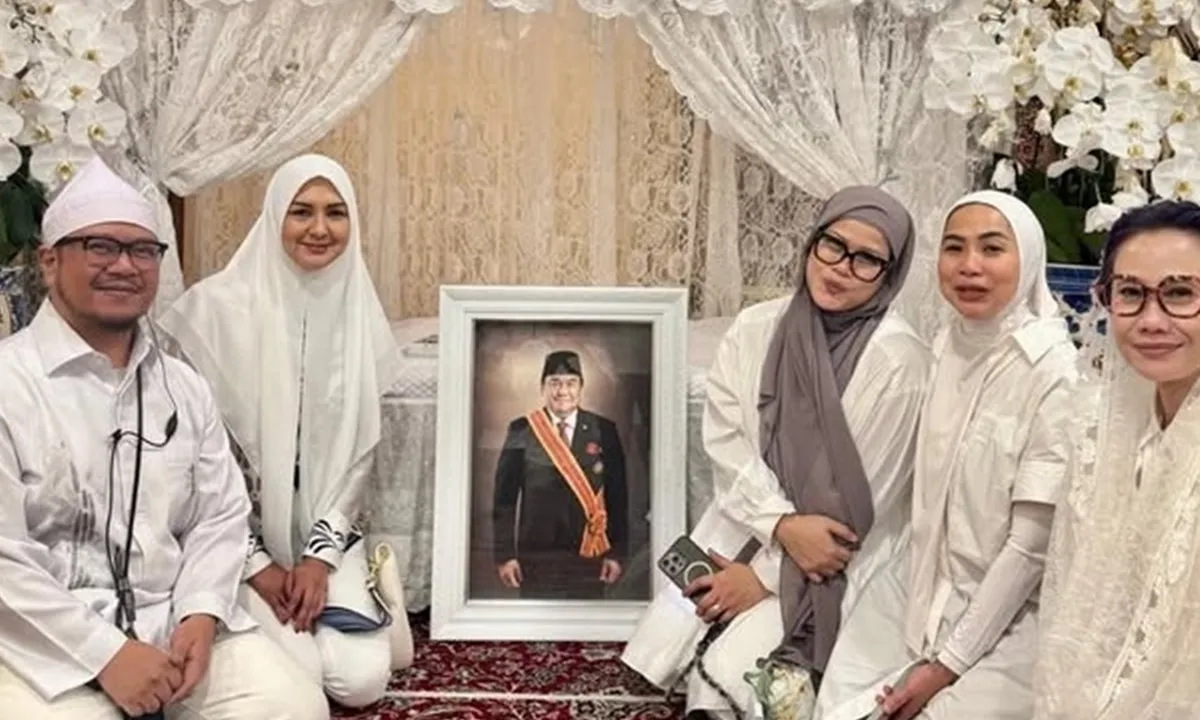
In her widely shared Instagram post, Donna Agnesia, known for her candid and articulate communication, directly addressed her choice to wear the hijab. She explained that her decision was a conscious act of reverence for the family hosting the tahlil ceremony. "Melalui unggahan yang sama, Donna menjelaskan bahwa pilihannya mengenakan hijab merupakan bentuk penghormatan kepada keluarga yang menggelar acara tahlil," (Through the same post, Donna explained that her choice to wear a hijab was a form of respect for the family holding the tahlil event) read a translated portion of her statement. She further elaborated that despite being a Catholic, she felt it was important to demonstrate mutual respect in society. This statement resonated deeply with many, particularly in a nation that often grapples with complex interfaith dynamics. Her public declaration served not only to clarify her actions but also to actively promote a message of religious coexistence and understanding, reinforcing the principles of Pancasila, Indonesia’s state ideology which champions unity and religious pluralism.
A Gathering of Notable Personalities
Donna Agnesia was not alone in attending the tahlil ceremony. She was accompanied by a cohort of esteemed friends and colleagues from the media industry, all of whom also shared connections with the late Rachmat Gobel. Among those present were Feni Rose, a veteran presenter known for her talk shows; Oki Lukman, a beloved comedian and television host; and Rosiana Silalahi, an award-winning journalist and news anchor. Their collective presence, all dressed in matching white attire, underscored the wide-reaching respect and affection held for Rachmat Gobel across different professional spheres. The group took time to capture moments of their shared attendance, further amplifying the public visibility of the event. Donna’s caption further reflected on Gobel’s character, stating, "Doa & Tahlil 7 Hari Wafatnya Bapak H. @rachmatgobel_rg. Begitu banyak yang mendoakan & mengagumi Bapak. Kiranya surga bagi orang baik .. Amin. #salamtoleransi" (Prayers & Tahlil 7 Days after the passing of Mr. H. @rachmatgobel_rg. So many are praying for & admiring Bapak. May heaven be for good people.. Amen. #salamtoleransi). This sentiment echoed the widespread public perception of Gobel as a figure who touched many lives positively.
Public Reception and Media Discourse
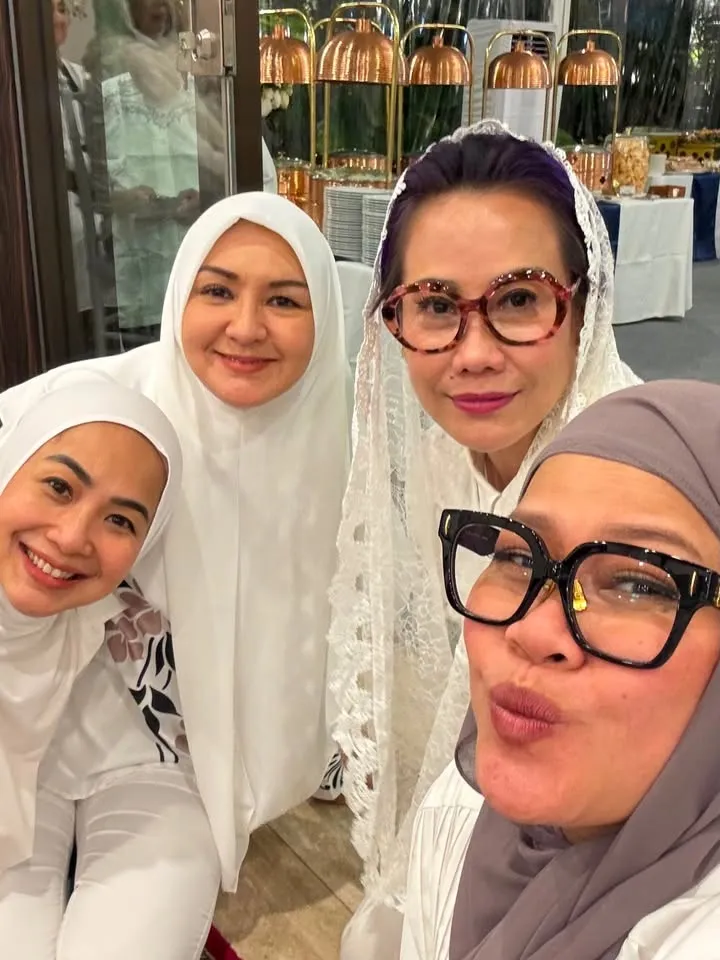
The public’s reaction to Donna Agnesia’s appearance was overwhelmingly positive. Social media platforms were abuzz with comments praising her beauty in the hijab, her humility, and most importantly, her exemplary display of tolerance. Many users lauded her as a role model, particularly for younger generations, in fostering harmony amidst religious diversity. News outlets, including Kapanlagi.com, quickly picked up on the story, highlighting the "pangling" aspect of her appearance and her clear message of interfaith respect. The narrative consistently framed her action as a commendable instance of "toleransi beragama" (religious tolerance), a cornerstone value in Indonesia. This positive media coverage further amplified the message, transcending the immediate social media sphere and reaching a broader audience, contributing to a constructive national dialogue on religious coexistence. The absence of significant negative or critical commentary underscored the general acceptance and appreciation for such gestures within Indonesian society, especially when performed with genuine intent and respect.
Broader Implications: Celebrity Influence on Social Cohesion
Donna Agnesia’s actions at the tahlil ceremony carry broader implications for social cohesion and interfaith relations in Indonesia. Public figures, by virtue of their visibility and influence, often serve as cultural arbiters and role models. When a celebrity like Donna Agnesia, who is known for her mainstream appeal and non-Muslim background, publicly engages in a religious ceremony of another faith with such overt respect, it sends a powerful message. It normalizes and celebrates interfaith engagement, making it accessible and aspirational for the general populace. In a country as diverse as Indonesia, where religious pluralism is a constitutional principle but sometimes faces challenges, such visible acts of tolerance by prominent individuals are invaluable. They reinforce the idea that respect for different beliefs is not merely an abstract concept but a living, practiced value that can be expressed through simple, heartfelt gestures. This incident serves as a subtle yet potent reminder of the unifying power of empathy and mutual understanding, demonstrating how personal actions, especially from those in the public eye, can contribute significantly to strengthening the social fabric of a nation. It highlights the potential for public figures to transcend their entertainment roles and become ambassadors for national values, fostering an environment where differences are acknowledged and celebrated rather than becoming sources of division.
In conclusion, Donna Agnesia’s decision to wear a hijab at the tahlil ceremony for Rachmat Gobel was more than just a fashion statement or a personal choice; it was a profound declaration of respect, empathy, and interfaith tolerance. It resonated deeply with the Indonesian public, reaffirming the nation’s commitment to unity in diversity and showcasing how public figures can lead by example in promoting harmony and understanding across religious boundaries. The legacy of Rachmat Gobel, combined with Donna Agnesia’s thoughtful gesture, created a memorable moment that transcended the immediate context of grief, offering a beacon of hope for continued peaceful coexistence in the archipelago.