Green SM Launches Electric Motorcycle Ride-Hailing Service in Jakarta to Transform Urban Mobility

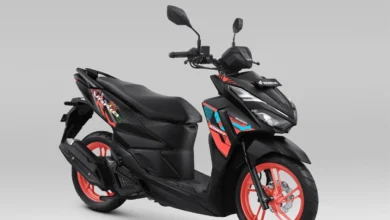
The landscape of urban transportation in Indonesia’s capital underwent a significant shift on September 16, 2026, as Green SM, the Vietnamese ride-hailing giant, officially introduced its electric motorcycle taxi service, Green SM Bike, to the streets of Jakarta. This strategic expansion marks a milestone for the company, as Indonesia becomes the first international market to host Green SM’s two-wheeled electric fleet. By deploying VinFast electric scooters—specifically the Evo and Feliz II models—the company aims to provide a sustainable, efficient, and cost-effective alternative to traditional gasoline-powered motorcycle taxis while simultaneously creating new economic opportunities for local drivers through innovative ownership models.
A Strategic Entry into the Indonesian Market
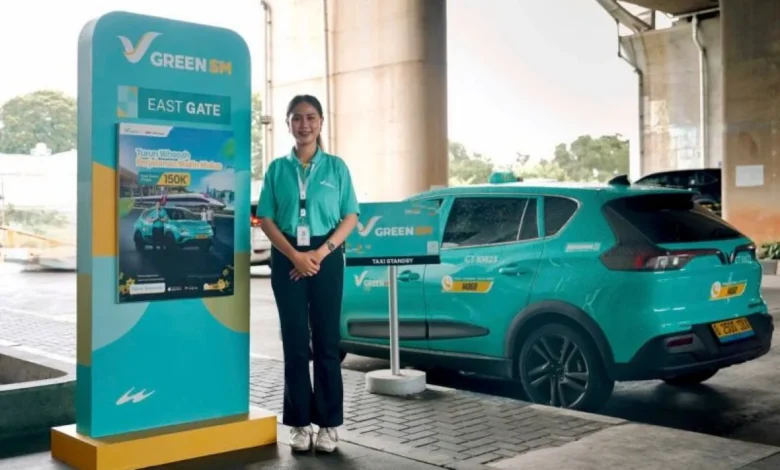
Green SM’s entry into the Indonesian market is not a debut but an expansion of its existing footprint. Having previously established a presence through its electric taxi service, the company’s decision to pivot toward motorcycles reflects a deeper understanding of Jakarta’s unique traffic dynamics. In a city where motorcycles account for the vast majority of private transport, the transition to electric mobility is viewed as essential for reducing carbon emissions and improving urban air quality.
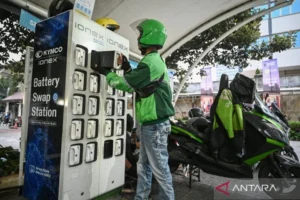
The rollout began in selected high-traffic zones, specifically across South, West, and Central Jakarta. By focusing on these hubs, Green SM aims to optimize its logistics and charging infrastructure, which is currently being scaled up through the construction of dedicated battery-swapping stations. This infrastructure is critical for the long-term success of the fleet, as it minimizes downtime for drivers and ensures a continuous flow of services during peak commuting hours.
The Financial Mechanics of Driver Partnership
One of the most notable aspects of the Green SM Bike launch is the introduction of a "rent-to-own" business model, designed to lower the barrier to entry for prospective drivers. Recognizing that the upfront cost of high-quality electric motorcycles can be prohibitive for many, Green SM has structured a daily payment plan starting at IDR 39,000.
This scheme allows drivers to eventually take full ownership of the vehicle after a two-year period of consistent participation, provided they adhere to the program’s terms and conditions. For drivers who prefer not to commit to long-term ownership, the company offers more flexible rental contracts with terms of three, six, or 12 months. These contracts require a nominal security deposit of IDR 150,000, ensuring a low-friction onboarding process for new recruits.
To further incentivize participation, Green SM has introduced a guaranteed daily income program of up to IDR 160,000 during the first two months of service, alongside performance-based bonuses. This move is designed to provide financial stability to drivers while they navigate the learning curve of operating electric vehicles and familiarizing themselves with the company’s digital platform.
Recruitment Standards and Operational Rigor
The recruitment process for Green SM Bike is rigorous, reflecting the company’s emphasis on safety and service quality. Candidates must be between the ages of 21 and 54 years and six months, possessing a valid SIM C (motorcycle driver’s license), national ID, family card, and a clean criminal record (SKCK).
Beyond these administrative requirements, drivers are expected to demonstrate proficiency in navigation and a working knowledge of Jakarta’s complex road network. Prior to hitting the road, all accepted partners must undergo comprehensive training modules that cover two core areas: standard operating procedures for customer service and the technical nuances of operating electric scooters. This training is particularly vital given the differences in torque, maintenance requirements, and safety protocols between internal combustion engine vehicles and the VinFast electric fleet.
The Role of Infrastructure and Safety
The integration of VinFast’s Evo and Feliz II models into the Jakarta ecosystem is supported by a broader vision of sustainability. Both scooter models are designed for agility in dense urban environments, offering sufficient range and speed for short-to-medium distance trips. However, the success of this fleet is tethered to the availability of supporting infrastructure.
The company is currently under public scrutiny regarding its commitment to safety. Following previous incidents involving its taxi fleet—such as the recent investigation by the Ministry of Transportation into a pool facility in Bekasi—Green SM has signaled a heightened focus on safety compliance. Collaboration with organizations like the Indonesian National Police (Korlantas Polri) has become a pillar of their operational strategy. Recent workshops conducted by the police in partnership with Green SM highlight a proactive approach to driver training, focusing on defensive riding and emergency procedures specifically tailored for electric vehicle (EV) riders.
Economic and Environmental Implications
The introduction of Green SM Bike carries broad implications for the Indonesian transportation sector. From an environmental perspective, replacing a significant portion of the city’s motorcycle taxi fleet with electric alternatives could lead to a measurable reduction in nitrogen oxides and particulate matter emissions in the Jakarta metropolitan area.
Economically, the "rent-to-own" model disrupts the traditional gig-economy structure in Indonesia, which often relies on drivers providing their own vehicles. By providing the asset, Green SM effectively lowers the barrier to employment, potentially tapping into a large demographic of underemployed youth or those seeking to transition from informal sectors into the structured ride-hailing economy.
However, the model also places a significant burden on the company to maintain a fleet of thousands of vehicles. The long-term viability of the program will depend on the durability of the VinFast scooters and the efficiency of the battery-swapping network. If successful, this model could serve as a blueprint for other Southeast Asian nations grappling with similar challenges of rapid urbanization and pollution.
Chronology of Expansion
The timeline of Green SM’s operations in Indonesia reflects a rapid, deliberate strategy:
- Initial Entry: The company enters the Indonesian market with an electric taxi service, setting up operations and maintenance infrastructure.
- Safety Audit (2026): Following external safety challenges, the company engages with regulators and law enforcement to standardize training protocols.
- Green SM Bike Launch (September 16, 2026): The formal debut of the two-wheeled electric fleet in Jakarta.
- Scaling Phase (Ongoing): Deployment of charging and battery-swapping infrastructure across key districts, with plans for regional expansion based on the success of the initial Jakarta pilot.
Challenges and Future Outlook
While the launch has been met with interest, challenges remain. Competition in the Indonesian ride-hailing market is fierce, with established players already commanding significant market share. Green SM must differentiate itself not only through the "green" nature of its fleet but also through reliability and price competitiveness.
Furthermore, public perception regarding the safety of EVs—particularly concerning battery fires and sudden power loss—remains a topic of discussion among experts. Green SM’s commitment to transparency, as evidenced by its cooperation with regulatory bodies during investigations, will be a critical factor in building consumer trust.
As the company looks toward expanding beyond Jakarta, the scalability of its infrastructure will be the ultimate test. The success of the Green SM Bike program will likely hinge on the balance between providing competitive earnings for drivers and maintaining the financial sustainability of the rental and ownership schemes.
In conclusion, Green SM’s foray into the motorcycle taxi market is a bold experiment in sustainable urban mobility. By combining technological innovation with a flexible financial model for drivers, the company is attempting to redefine the commuter experience in one of the world’s most congested cities. Whether this model can achieve long-term profitability while simultaneously driving the adoption of electric vehicles at scale remains to be seen, but the initiative undoubtedly represents a significant shift in the future of transportation in Indonesia.