Jakarta’s Provincial Government to Introduce Fiscal Incentives for Electric Vehicles Amidst New Tax Regulations


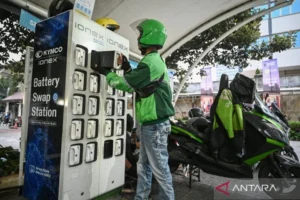
The Provincial Government of DKI Jakarta, through its Regional Revenue Agency (Bapenda DKI Jakarta), is actively developing a strategic framework to mitigate the impact of a new Ministerial Regulation that will impose taxes on electric vehicles. This proactive measure aims to balance national policy adjustments with the city’s commitment to fostering a sustainable urban environment and encouraging the adoption of clean energy transportation.
Background: Shifting Tax Landscape for Electric Vehicles
The new regulation, Ministerial Regulation (Permendagri) Number 11 of 2026 concerning the Basis for Imposing Motor Vehicle Tax, Motor Vehicle Name Transfer Fees, and Heavy Equipment Tax, marks a significant shift in the taxation of electric vehicles. Previously, under Permendagri No. 7 of 2025, Battery-Based Electric Motor Vehicles (KBLBB) were explicitly exempted from Motor Vehicle Tax (PKB) and Motor Vehicle Name Transfer Fees (BBNKB). This exemption was part of a broader push to incentivize the adoption of renewable energy-based transportation, including electric, biogas, and solar-powered vehicles, as well as vehicles converted from fossil fuels to renewable energy sources.
However, Permendagri No. 11 of 2026 alters this landscape. While the regulation lists specific exemptions for PKB, such as railways, vehicles for national defense and security, diplomatic vehicles, and other renewable energy vehicles as stipulated by regional regulations, Battery-Based Electric Motor Vehicles (KBLBB) are no longer automatically included in this list. This means that, by default, electric vehicles will now be subject to PKB and BBNKB.
Jakarta’s Commitment to Sustainable Mobility
Despite the nationwide regulatory change, Bapenda DKI Jakarta has reiterated its dedication to supporting the public’s contribution to the clean energy transition. In a statement released on their official website on Thursday, April 16th, the agency acknowledged the public’s role in promoting electric vehicle adoption.
"The Provincial Government of DKI Jakarta understands that the public has contributed to supporting the clean energy transition through the use of electric vehicles," the statement read. "Therefore, even though there are policy adjustments at the national level, the regional government is committed to continuing to prioritize the public’s interests and ensure that electric vehicles remain an affordable choice."
This commitment underscores Jakarta’s broader vision of becoming a sustainable city, where reducing emissions and improving air quality are paramount. The increased adoption of electric vehicles is seen as a critical component of achieving these environmental goals.
Developing Fiscal Incentive Schemes
In response to the new Permendagri, Bapenda DKI Jakarta is actively developing fiscal incentive schemes. These incentives are designed to leverage the policy space provided within the new ministerial regulation to cushion the financial burden on vehicle owners. The aim is to reduce the tax amount payable by the public without contravening existing laws and regulations.
The development of these incentives is also closely aligned with Jakarta’s long-term vision for a sustainable urban ecosystem. By ensuring that electric vehicles remain an attractive and affordable option, the provincial government seeks to maintain the positive momentum of electric vehicle adoption and further bolster the city’s environmental initiatives.
"The Provincial Government of DKI Jakarta wants to ensure that this regulatory change does not dampen public interest in electric vehicles," Bapenda stated. "On the contrary, with well-targeted incentives, it is hoped that the electric vehicle ecosystem in Jakarta will continue to grow positively."
Key Provisions of Permendagri No. 11 of 2026
The new ministerial regulation, Permendagri No. 11 of 2026, establishes a new basis for calculating PKB and BBNKB across all regions in Indonesia. One of the most significant changes is the removal of the automatic exemption for electric vehicles.
Under the previous Permendagri No. 7 of 2025, the following were explicitly excluded from PKB and BBNKB:
- Vehicles powered by renewable energy, including electric, biogas, and solar power.
- Vehicles converted from fossil fuels to renewable energy sources.
Permendagri No. 11 of 2026, however, revises the list of exemptions. Article 3, paragraph (3) of the new regulation specifies the following exclusions from PKB:
- Railway vehicles.
- Motor vehicles solely used for national defense and security purposes.
- Motor vehicles of embassies, consulates, foreign representative bodies with reciprocal principles, and international organizations that receive tax exemption facilities from the government.
- Renewable energy motor vehicles.
- Other motor vehicles determined by regional regulations concerning regional taxes and levies.
Crucially, Battery-Based Electric Motor Vehicles (KBLBB) are not explicitly mentioned in this updated list of exemptions.
Understanding the New Tax Implications and Potential Incentives
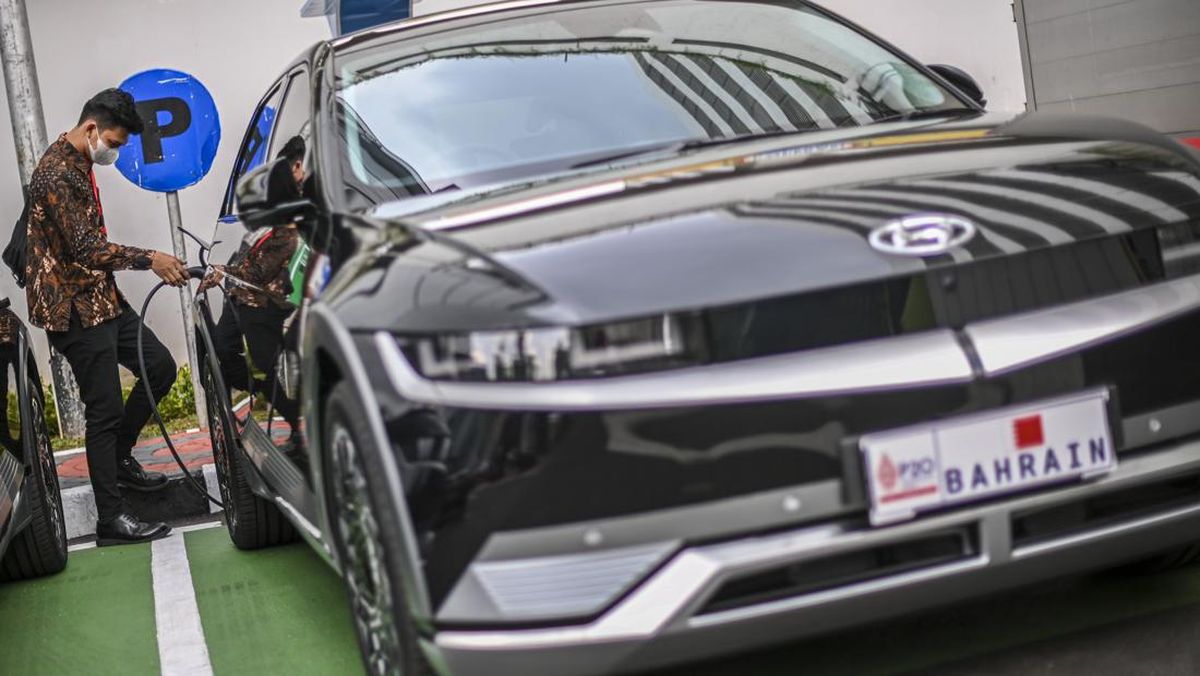
While electric vehicles are no longer automatically exempt, the new regulation does provide a pathway for regional governments to offer incentives. Article 19 of Permendagri No. 11 of 2026 states that the imposition of PKB and BBNKB for battery-based electric vehicles may be granted incentives in the form of exemption or reduction, in accordance with applicable laws and regulations.
Furthermore, the regulation specifies that for electric vehicles manufactured before 2026, including those converted from fossil fuels to electric power, incentives for exemption or reduction of PKB and/or BBNKB will be provided. This provision aims to acknowledge and support existing electric vehicle owners and those who have invested in conversion technologies.
Analysis of Implications
The shift in policy from explicit exemption to a framework allowing for regional incentives has several potential implications:
- Increased Revenue for Local Governments: The imposition of PKB and BBNKB on electric vehicles could generate new revenue streams for regional governments. This revenue could potentially be reinvested in public transportation infrastructure, EV charging networks, or other sustainability initiatives.
- Potential Impact on EV Adoption Rates: While Jakarta is committed to maintaining affordability through incentives, a nationwide application of these taxes without similar support mechanisms in other regions could potentially slow down the overall adoption of electric vehicles in Indonesia.
- Importance of Targeted Incentives: The success of Jakarta’s strategy hinges on the effectiveness and scope of its fiscal incentive schemes. Well-designed incentives that significantly reduce the tax burden will be crucial in ensuring that electric vehicles remain competitive with their internal combustion engine counterparts.
- Clarity and Predictability for Consumers: Clear communication from Bapenda DKI Jakarta regarding the specific incentive packages will be vital for consumers to make informed purchasing decisions. Uncertainty about future tax liabilities could deter potential buyers.
- Alignment with National Goals: While the immediate impact might seem like an added cost, the underlying principle of taxation is often to ensure that all forms of transportation contribute to public services and infrastructure. The challenge lies in balancing this with the imperative to accelerate the transition to cleaner technologies.
Looking Ahead: Jakarta’s Proactive Approach
The DKI Jakarta Provincial Government’s proactive stance in preparing fiscal incentive schemes demonstrates a commitment to navigating the evolving regulatory landscape while staying true to its sustainability objectives. By acknowledging the public’s contribution and actively seeking to mitigate the financial impact of the new tax regulations, Jakarta aims to ensure that the growth of its electric vehicle ecosystem remains robust. The success of this approach will be closely watched as other regions in Indonesia grapple with the implementation of Permendagri No. 11 of 2026. The coming months will reveal the specific details of Jakarta’s incentive packages and their effectiveness in maintaining the momentum towards a greener transportation future.
The transition to electric mobility is a complex undertaking, requiring a delicate balance between national policy, regional implementation, and public acceptance. Jakarta’s current strategy appears geared towards fostering a supportive environment for this transition, recognizing that sustained growth in electric vehicle adoption is essential for achieving its ambitious environmental and urban development goals. The effectiveness of these incentives will be a key determinant in whether electric vehicles continue to be an attractive and accessible option for Jakarta’s residents.