
Quick And Easy British Fruitcake
The Ultimate Guide to Quick and Easy British Fruitcake: A Recipe for Success
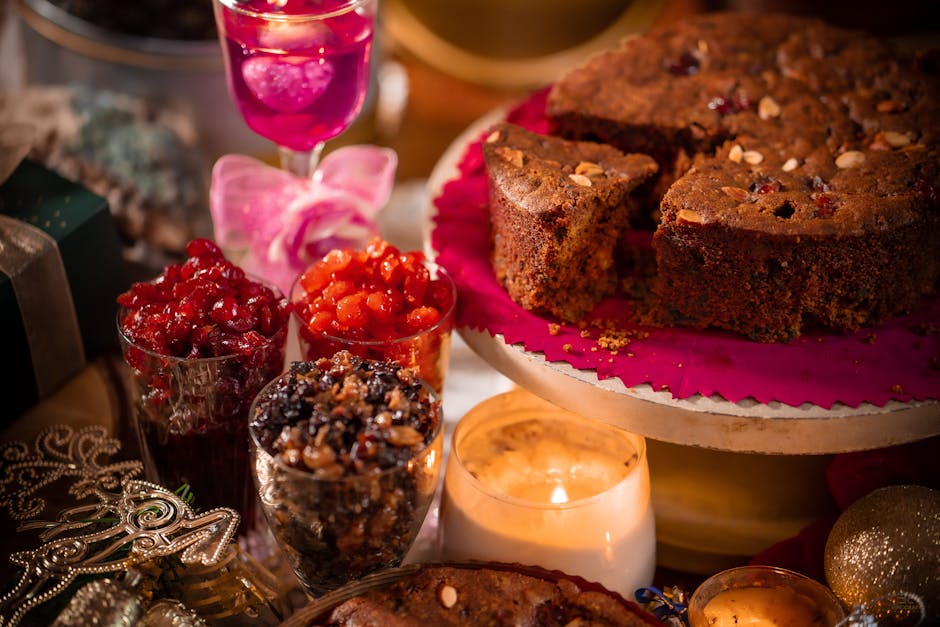
The allure of a classic British fruitcake, rich with plump dried fruits and fragrant spices, often conjures images of lengthy preparation times and complex techniques. However, this perception doesn’t have to be reality. This comprehensive guide demystifies the process, offering a quick and easy approach to achieving a delectable, traditional British fruitcake that’s perfect for any occasion, from festive gatherings to a comforting afternoon tea. We’ll delve into the essential ingredients, outline a streamlined method, and explore tips for achieving optimal texture and flavor, ensuring your homemade fruitcake is a resounding success. Forget the weeks of soaking and complex marinating; this recipe is designed for immediate gratification without sacrificing authentic taste.
The foundation of any good fruitcake, quick or traditional, lies in its fruit component. For our easy British fruitcake, we’ll utilize a readily available blend of dried fruits, ensuring a delightful chewiness and a concentrated burst of sweetness in every bite. A standard fruitcake mix, typically comprising raisins, sultanas, and currants, serves as an excellent starting point. However, for added complexity and visual appeal, consider supplementing this with chopped dates, figs, or glacé cherries. The latter, while sometimes considered a shortcut, undeniably adds a festive shimmer and a distinct fruity note. The key is to have a generous quantity of fruit; a ratio of at least 1.5 to 2 times the weight of the dry ingredients is generally recommended for a truly fruit-laden cake. When selecting your fruits, aim for plump, soft varieties. If your dried fruits seem a little on the dry side, a brief soak in a liquid of your choice can rehydrate them and infuse them with additional flavor. Options range from strong black tea or coffee for a deeper, more robust taste, to brandy or rum for that quintessential boozy character. Even a splash of orange juice can impart a bright citrusy note. This soaking, while not strictly necessary for a "quick" recipe, can elevate the final product if you have an extra 30 minutes to spare.
Moving beyond the fruit, the cake batter itself is crucial for structure and moisture. The dry ingredients typically include all-purpose flour, a leavening agent like baking powder, and a warming spice blend. For a classic British fruitcake flavor, the spice mix should be robust. A combination of ground cinnamon, nutmeg, ground ginger, and a pinch of cloves is a good starting point. Some recipes also benefit from a touch of ground allspice. The quantities of these spices can be adjusted to personal preference, but a well-balanced blend is key to avoiding any single spice overpowering the others. The fat component can be butter, which provides richness and a tender crumb, or a neutral oil like vegetable or sunflower oil for a moister, longer-lasting cake. For this quick version, we’ll lean towards softened butter for its superior flavor and texture. The binding agent is, of course, eggs. They not only provide structure but also contribute to the cake’s richness and golden hue. Sugar plays a vital role, contributing to sweetness, tenderness, and browning. A combination of granulated sugar and dark brown sugar often yields the best results, with the brown sugar adding moisture and a caramel undertone.
The "quick" aspect of this recipe hinges on a simplified mixing method and a straightforward baking process. Rather than the traditional creaming of butter and sugar for an extended period, we can employ a "melt and mix" or "all-in-one" approach, which significantly reduces preparation time. For a melt-and-mix method, the butter is gently melted along with the sugar, and then the liquid ingredients, such as eggs and any soaking liquid for the fruit, are incorporated. The dry ingredients are then added and mixed until just combined. This method ensures that the fat is evenly distributed, leading to a tender cake. Alternatively, an all-in-one method involves combining all the wet ingredients in one bowl and all the dry ingredients in another, then gradually adding the dry to the wet while mixing. Regardless of the chosen shortcut, the overarching principle is to avoid overmixing once the flour is added, as this can develop gluten and result in a tough cake.
The baking temperature and time are critical for achieving a perfectly cooked fruitcake. Traditional fruitcakes are often baked at a lower temperature for a longer duration, allowing the dense mixture to cook through evenly. For our quick version, we can utilize a slightly higher temperature for a more manageable baking time. A preheated oven at around 160°C (320°F) for a fan oven, or 180°C (350°F) for a conventional oven, is a good starting point. The size of your cake tin will influence the baking time. A standard 8-inch (20cm) round or square cake tin is ideal. Due to the high fruit content, fruitcakes tend to brown quickly on the outside while remaining undercooked in the center. To prevent this, it’s advisable to loosely cover the top of the cake with aluminum foil about halfway through the baking process. This traps steam and allows the cake to cook through more gently without excessive browning. The baking time can vary significantly but will likely fall within the 1.5 to 2-hour range. To test for doneness, insert a skewer or thin knife into the center of the cake. If it comes out clean, or with a few moist crumbs attached (but no wet batter), the cake is ready.
Cooling and maturing are still important, even for a quick fruitcake, though the process is less prolonged than with traditional recipes. Once baked, allow the fruitcake to cool in the tin for about 15-20 minutes before carefully inverting it onto a wire rack to cool completely. While some fruitcakes benefit from a lengthy maturation period, allowing them to "feed" on alcohol for weeks, our quick version can be enjoyed relatively soon after baking. However, for an enhanced flavor and texture, letting it rest for at least 24-48 hours before slicing is still beneficial. During this resting period, the flavors meld together, and the moisture redistributes, resulting in a more cohesive and delicious cake. If you desire a hint of the boozy notes associated with traditional fruitcakes, you can "feed" the cooled cake by gently brushing the top and sides with a few tablespoons of brandy, rum, or whiskey. Wrap it tightly in parchment paper and then foil, and let it sit for a day or two. This step is entirely optional but adds a lovely depth of flavor.
Presentation is the final flourish for any cake, and fruitcake is no exception. For a quick and elegant finish, a simple dusting of icing sugar can be highly effective, especially when served at afternoon tea. If you’ve opted to "feed" your cake with alcohol, a glaze made from warmed apricot jam, strained of any solids, can be brushed over the top of the cooled cake to provide a beautiful sheen. For a more festive look, consider decorating with a few glacé cherries and blanched almonds. These can be strategically placed on top of the jam glaze. For those who enjoy a more elaborate decoration, a simple royal icing drizzle or a thin layer of marzipan can be applied once the cake has fully matured. However, for a quick and easy fruitcake, keeping the decoration understated allows the rich fruit and spice flavors to take center stage.
Troubleshooting common fruitcake issues can ensure your quick and easy recipe always hits the mark. One frequent concern is a dry fruitcake. This can be caused by overbaking or insufficient moisture in the batter. Ensuring your dried fruits are plump and moist is key. If your cake is consistently coming out dry, consider adding a little extra liquid to the batter, such as an extra tablespoon of milk or orange juice. Another common problem is a dense, heavy cake. This often arises from overmixing the batter after the flour has been added, or from using too much flour relative to the other ingredients. Measure your flour accurately, and mix the batter only until the dry ingredients are just incorporated. Conversely, a cake that is too crumbly might indicate not enough binder (eggs) or fat. Adjusting these ratios slightly in future bakes can help. For those concerned about the cake not holding together well, ensuring it is fully cooled before slicing is paramount. The structure of the cake firms up considerably as it cools.
Variations on the quick and easy theme are plentiful, allowing for personalization and adaptation to different tastes. For a lighter, more citrusy fruitcake, incorporate finely grated zest from oranges and lemons into the batter. This adds a bright, refreshing note that complements the rich dried fruits. Another delightful variation involves adding chopped nuts, such as walnuts or pecans, to the fruit mix. This introduces a welcome crunch and a nutty undertone. For a more indulgent version, consider incorporating dark chocolate chips or chunks into the batter. This creates a decadent fusion of fruit and chocolate. If you prefer a cake with a less intense spice profile, simply reduce the quantities of the individual spices or omit one or two altogether. The beauty of this quick and easy recipe lies in its adaptability, allowing you to tailor it to your specific preferences.
The storage of your quick and easy British fruitcake is straightforward. Once completely cooled, wrap the cake tightly in parchment paper, followed by a layer of aluminum foil. Store it in an airtight container at room temperature. It will typically keep well for up to a week to ten days. If you live in a warm climate or wish to store it for longer, it can be refrigerated, though this can slightly alter the texture. For extended storage, fruitcake freezes exceptionally well. Wrap it as you would for room temperature storage, ensuring it is completely airtight, and freeze for up to three months. Thaw at room temperature before serving.
In conclusion, the creation of a delicious and authentic British fruitcake need not be a time-consuming endeavor. By employing a streamlined approach to ingredient selection, mixing, and baking, you can achieve a rich, flavorful, and satisfying fruitcake with relative ease. This comprehensive guide has provided you with the knowledge and techniques to master the quick and easy British fruitcake, empowering you to enjoy this classic treat without the traditional commitment. Embrace the simplicity, savor the flavors, and impress yourself and your guests with your homemade fruitcake.
