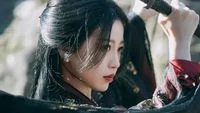
Jakarta, CNN Indonesia – Esther Yu, also known as Yu Shuxin, has once again captured the attention of fans and enthusiasts of Chinese dramas with her starring role in the highly anticipated series, Road to Success. In this latest project, she shares the screen with Chen Jingke, portraying a resilient doctoral student who returns to her hometown after facing significant life setbacks. Yu Shuxin’s return to the small screen in a role that seemingly blends elements of modern realism with her signature charm has ignited discussions among viewers and critics alike, eager to see how this new character will further solidify her reputation as one of China’s most dynamic young actresses. Her journey in Road to Success is expected to showcase a more mature and grounded performance, contrasting with some of her previous fantastical and whimsical roles, thereby demonstrating her continuous growth and versatility within the industry.
Yu Shuxin has built a formidable career on the back of her charismatic presence and a commitment to fully embodying a wide array of characters across diverse genres, from intricate fantasy epics to poignant modern melodramas. Her acting repertoire spans the spectrum from exuberantly cheerful, bubbly, and endearing personalities to complex, darker figures burdened by past traumas. This remarkable range has allowed her to connect with a broad audience demographic, securing her status as a household name in Chinese entertainment. The actress’s ability to seamlessly transition between vastly different roles underscores her artistic depth and dedication, making each of her projects a highly anticipated event for her global fanbase. As Road to Success begins its run, it offers an opportune moment to look back at the breadth of her work, highlighting seven other notable Chinese dramas that showcase her extraordinary talent and diverse acting range.
The Phenomenon of Esther Yu: From Idol to Acclaimed Actress
Esther Yu’s rise to prominence is a compelling narrative within the broader context of the Chinese entertainment industry’s evolving landscape, where the line between idol and actor has become increasingly blurred. Her initial foray into the public eye was through her participation in reality television shows and as a member of the girl group THE9, formed from the survival show Youth With You 2. This background provided her with a massive platform and a dedicated fanbase, which she expertly leveraged to transition into acting. Unlike many idols who struggle to gain credibility in the acting world, Yu Shuxin quickly demonstrated a natural aptitude for performance, captivating audiences with her expressive eyes and nuanced portrayals. Her success is indicative of a wider trend in China, where agencies actively cultivate multi-talented artists capable of excelling in both music and acting, often using the former as a springboard for the latter. This strategic career path has allowed her to maintain a strong public profile while honing her craft, making her a prime example of a successful idol-turned-actress in the fiercely competitive Chinese market.
Her distinctive appeal lies in her ability to project an authentic sense of self onto her characters, infusing them with a unique blend of vulnerability and strength. Whether playing a naive fairy or a shrewd spy, Esther Yu brings a certain vivacity that makes her characters memorable and relatable. This innate charm, combined with her evolving acting skills, has enabled her to achieve significant critical and commercial success, contributing to the global surge in popularity of Chinese dramas. Her filmography stands as a testament to her adventurous spirit in taking on varied roles, each contributing to her development as a mature artist capable of handling complex emotional landscapes.
A Deep Dive into Esther Yu’s Diverse Filmography
Here are seven recommendations and synopses of Esther Yu’s Chinese dramas, offering a glimpse into her remarkable journey as an actress, beyond her latest venture in Road to Success:
1. My Journey to You (2023)
This drama represents a significant departure from Esther Yu’s traditionally cheerful image, showcasing a new level of maturity and depth in her acting. In My Journey to You, she takes on the role of Yun Weishan, an anti-heroine characterized by her dark demeanor, manipulative tactics, yet also possessing an underlying tenderness. The series, steeped in the wuxia and dark fantasy genres, sees Yun Weishan as a spy longing for freedom, who infiltrates the mysterious Gong family estate. Within this perilous and enigmatic environment, she unexpectedly discovers the true meaning of love and genuine friendship alongside the rebellious noble, Gong Ziyu (played by Zhang Linghe). Yu Shuxin’s portrayal of Yun Weishan is marked by a calm, vigilant exterior that gradually reveals a profound sense of empathy, challenging audience perceptions and highlighting her ability to embody morally ambiguous characters. The drama was critically acclaimed for its unique aesthetic, intricate plot, and the lead actors’ captivating chemistry, solidifying Yu Shuxin’s reputation for tackling more complex and demanding roles. Its success on platforms like iQIYI underscored a growing appetite for sophisticated narratives within the C-drama landscape, with audiences appreciating the nuanced character development and visually stunning cinematography.
2. Love Between Fairy and Devil (2022)
Undoubtedly one of Esther Yu’s most iconic works, Love Between Fairy and Devil catapulted her to global superstardom, becoming a fantasy masterpiece that garnered immense international attention. In this drama, she portrays Xiao Lanhua (Little Orchid), a low-ranking orchid fairy who is innocent, somewhat naive, and initially lacking in magical prowess. Her destiny takes a dramatic turn after she inadvertently releases and becomes magically bound to the formidable and ruthless Devil Lord Dongfang Qingcang (portrayed by Dylan Wang). Xiao Lanhua’s unwavering optimism and pure heart gradually begin to thaw the frozen heart of the Devil Lord, leading to a transformative romance that transcends realms and expectations. The drama was lauded for its compelling storyline, breathtaking visuals, intricate world-building, and the electrifying chemistry between Yu Shuxin and Dylan Wang. It became a cultural phenomenon, dominating viewership charts and trending worldwide, significantly boosting Esther Yu’s international profile. Available on iQIYI and Netflix, its accessibility further cemented its status as a global sensation, introducing countless new fans to Chinese fantasy dramas and establishing Yu Shuxin as a leading figure in the genre.
3. Love Game in Eastern Fantasy (2021)
In this fantasy novel adaptation, Esther Yu remarkably demonstrates her acting prowess by embodying multiple distinct characters, each with their own unique personality. The narrative begins with Ling Miaomiao, a lively, intelligent, and cheerful modern girl who finds herself transported into a game world. Within this virtual realm, Yu Shuxin also portrays Lin Yu, a cunning and cruel antagonist; Yu Er, a gentle and quiet character; and Mu Qingshi, a powerful first-rank demon catcher. This multi-role performance was a significant challenge, requiring her to switch between vastly different personas, showcasing her versatility and commitment to character immersion. The drama’s innovative premise, blending modern gaming with traditional fantasy elements, resonated with audiences who appreciated its creativity and Esther Yu’s ability to convincingly portray such a wide spectrum of emotions and motivations. Its availability on platforms like WeTV and Netflix further broadened its reach, allowing a diverse audience to witness her impressive range in a single series. Critics highlighted this role as a testament to her growth as an actress, proving she could handle complex narrative structures and character transformations with finesse.
4. Moonlight (2021)
Moonlight offered Esther Yu a chance to shine in a contemporary romance, a genre that frequently allows her effervescent personality to come through. She plays Chu Li, a spirited and passionate rookie editor who dreams of working for her idol, a reclusive author. Her journey in the publishing world is filled with challenges, humor, and unexpected romance with the very author she admires, Zhou Chuan (played by Ding Yuxi). The series is a charming and heartwarming tale about pursuing dreams, navigating workplace dynamics, and finding love in unexpected places. Yu Shuxin’s portrayal of Chu Li was praised for its authenticity and relatability, capturing the essence of a determined young woman facing the realities of her chosen career path. Her natural comedic timing and ability to convey both vulnerability and strength made Chu Li a beloved character among viewers. Moonlight became a popular choice for audiences seeking a lighthearted yet engaging story, further cementing Esther Yu’s appeal in modern romantic dramas and demonstrating her capacity to lead a successful series outside of the fantasy realm. Its positive reception underscored her versatility and ability to resonate with diverse audiences.
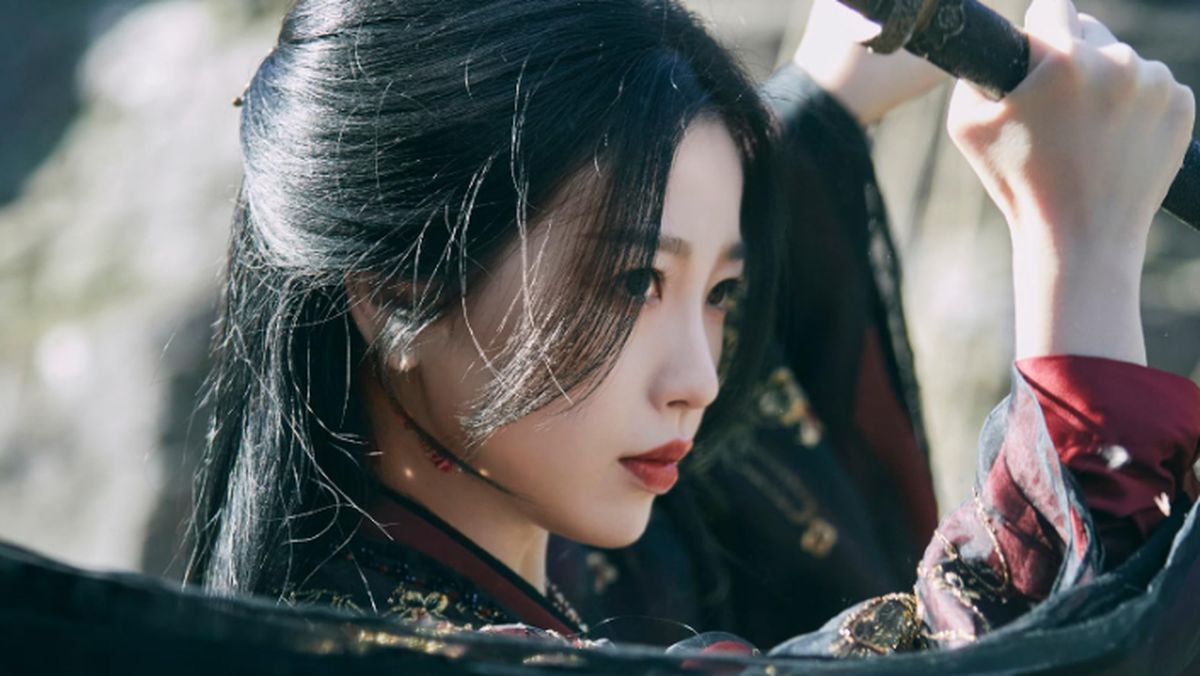
5. I’ve Fallen for You (2020)
Before her major breakthrough with Love Between Fairy and Devil, Esther Yu showcased her talents in the historical romance drama I’ve Fallen for You. In this series, she takes on the role of Tian Sanqi, a spirited and intelligent young woman who disguises herself as a man to solve crimes and seek justice in ancient China. Her character is dynamic, brave, and quick-witted, often finding herself in humorous and perilous situations. As she navigates a world dominated by men, she forms an unlikely alliance with a stern and upright official, leading to a blossoming romance. This role allowed Yu Shuxin to display her aptitude for period dramas, combining elements of mystery, comedy, and romance. Her performance as Tian Sanqi was noted for its energetic portrayal and her ability to bring a fresh perspective to the common "cross-dressing heroine" trope. I’ve Fallen for You provided a crucial stepping stone in her career, demonstrating her ability to carry a historical drama and connect with audiences through a character that embodied both strength and charm. The drama was well-received for its engaging plot and the captivating chemistry between the leads, reinforcing her potential for leading roles in complex narratives.
6. My Amazing Boyfriend 2: Unforgettable Impression (2019)
While technically a sequel, My Amazing Boyfriend 2 offered Esther Yu a significant role that further highlighted her comedic timing and youthful energy. In this romantic fantasy series, she plays Tian Jingzhi, an actress who finds herself entangled with a superhuman being, Xue Lingqiao. The drama explores their unconventional romance, the challenges of Lingqiao’s immortality, and the mysteries surrounding his existence. Yu Shuxin’s character is vibrant, expressive, and often the source of much of the show’s humor and emotional core. Her ability to deliver witty dialogue and portray exaggerated reactions with endearing sincerity made her performance stand out. This role, though part of an ongoing franchise, allowed her to cultivate a strong following and showcase her potential as a leading lady capable of blending romance, fantasy, and comedy seamlessly. The series was popular among younger audiences, who appreciated its lighthearted approach and the charming dynamics between the main characters. My Amazing Boyfriend 2 served as an important stepping stone, solidifying her presence in the romantic fantasy genre and endearing her to a broader audience who enjoyed her unique blend of playfulness and sincerity.
7. A Romance of the Little Forest (2022)
Returning to a lighter fantasy-romance setting, A Romance of the Little Forest once again featured Esther Yu in a role that perfectly leveraged her endearing and sweet persona. She portrays Yu Meiren, a fashion blogger and ornithology enthusiast who harbors a secret crush on a brilliant botany professor, Zhuang Yu (played by Zhang Binbin). After a painful rejection, Yu Meiren dedicates herself to her career, only for fate to bring her back into Zhuang Yu’s life years later. The drama is a delightful mix of second-chance romance, personal growth, and charming interactions, set against the backdrop of scientific research and natural beauty. Yu Shuxin’s performance as Yu Meiren was praised for its heartwarming sincerity and her ability to convey both vulnerability and resilience. Her character’s journey from a hopeful admirer to a confident professional resonated deeply with viewers, who enjoyed the gentle pacing and the blossoming romance. A Romance of the Little Forest reinforced Esther Yu’s status as a queen of modern romantic dramas, showcasing her ability to bring warmth and authenticity to her roles, making her characters instantly likable and memorable. The series was a commercial success, attracting significant viewership and further solidifying her appeal across various streaming platforms.
Esther Yu’s Enduring Appeal and Evolving Craft
Esther Yu’s signature charm lies in her unique ability to combine an almost childlike vivacity with an underlying strength and emotional depth. This blend makes her characters, whether fantastical or realistic, incredibly relatable and engaging. Her journey as an actress has been marked by a continuous evolution, moving from lighter, more comedic roles to increasingly complex and emotionally demanding characters. This artistic growth is evident in her choice of projects and her nuanced portrayals.
Beyond her acting, Esther Yu maintains a strong and active presence on social media, fostering a deep connection with her fanbase. Her candidness and genuine interactions have created a loyal following that eagerly anticipates her every move, both on and off-screen. This direct engagement contributes significantly to her commercial success, translating into high viewership numbers for her dramas and lucrative endorsement deals with various brands. Her influence extends beyond entertainment, making her a significant figure in youth culture and fashion.
"Road to Success": A Glimpse into Her Future
Her latest project, Road to Success, is poised to be another critical juncture in Esther Yu’s career. Portraying a tough doctoral student facing real-world struggles represents a deliberate choice to explore more grounded and mature narratives. This role signals a continuation of her journey into more serious acting, building upon the foundations laid by her more complex characters in recent years. Expectations are high for how this drama will further showcase her range and her capacity to tackle contemporary social themes, potentially opening doors to even more diverse and challenging roles in the future. It demonstrates a conscious effort to diversify her portfolio and prove her capabilities beyond the genres that initially brought her widespread fame.
Broader Implications for Chinese Entertainment
The success of actors like Esther Yu has significant broader implications for the Chinese entertainment industry. Her ability to captivate both domestic and international audiences contributes immensely to the global reach and growing popularity of Chinese dramas. Her involvement in high-production value series with compelling storylines helps to elevate the overall quality and perception of C-dramas on the world stage.
Furthermore, Esther Yu’s career trajectory highlights several key industry trends: the increasing demand for versatile actors who can transition seamlessly between different genres, the investment in high-quality productions that can compete internationally, and a growing appetite for diverse storytelling that explores both fantastical realms and modern realities. As the industry continues to mature, actors like Yu Shuxin, with their broad appeal and commitment to their craft, are crucial in shaping its future, driving innovation, and expanding its global footprint. Her influence extends to setting benchmarks for performance and engaging with a global audience, proving that Chinese talent can achieve widespread recognition and admiration.
In conclusion, Esther Yu has firmly established herself as a leading figure in Chinese entertainment, celebrated for her unique charisma, versatile acting skills, and profound connection with her audience. From the magical realms of fantasy to the relatable complexities of modern life, her filmography is a testament to her artistic range and dedication. As Road to Success unfolds, it further cements her position as an actress continually pushing boundaries and exploring new dimensions of her craft. Viewers are encouraged to explore these seven remarkable dramas to fully appreciate the breadth and depth of Esther Yu’s exceptional talent.