Understanding the Causes of Increased Motorcycle Fuel Consumption and How to Maintain Efficiency

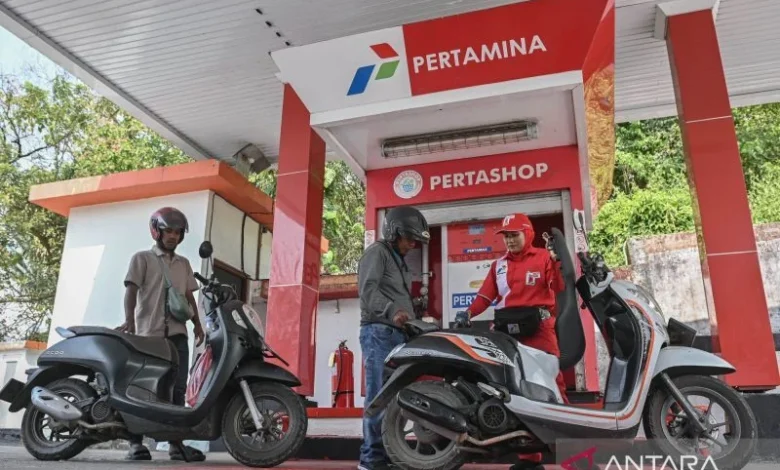
The rising cost of daily transportation has made fuel economy a primary concern for millions of motorcycle owners worldwide. While motorists often assume that a sudden spike in fuel consumption indicates a mechanical failure, industry experts suggest that the issue is frequently rooted in a combination of environmental factors, maintenance lapses, and human behavior. Whether navigating urban congestion or commuting long distances, understanding the intricate relationship between a motorcycle’s mechanical health and its operational environment is essential for maintaining cost-effective mobility.
The Mechanical and Operational Mechanics of Fuel Efficiency
A motorcycle is a complex ecosystem of moving parts where even minor deviations from factory specifications can lead to significant energy losses. When fuel consumption increases despite unchanged routes and mileage, it serves as an early warning signal from the vehicle’s diagnostic systems. According to data from automotive research firms, a poorly maintained motorcycle can consume between 10% to 25% more fuel than a vehicle operating at peak efficiency.
Historically, the transition from carbureted engines to sophisticated fuel injection (EFI) systems has improved fuel management, yet it has also made engines more sensitive to sensor data. When sensors—such as the Oxygen (O2) sensor or the Mass Air Flow (MAF) sensor—receive incorrect data due to component degradation, the Electronic Control Unit (ECU) may default to a "rich" fuel mixture, unnecessarily burning more gasoline to protect the engine or maintain idle stability.
The Critical Role of Maintenance: A Technical Breakdown
Industry standards dictate that a proactive maintenance schedule is the most effective defense against premature mechanical decline. Several key components directly influence the combustion process and rolling resistance:
Tire Pressure and Rolling Resistance
Perhaps the most overlooked factor in fuel efficiency is tire pressure. Tires act as the bridge between the engine’s power and the road. When tire pressure drops, the tire’s contact patch with the pavement increases, leading to higher rolling resistance. Physics dictates that the engine must exert more force to overcome this drag, directly correlating to higher fuel consumption. Engineers emphasize that checking tire pressure while the rubber is cold is critical, as heat expansion during a ride provides inaccurate readings.
Air Induction and Filtration
The combustion cycle relies on a precise ratio of fuel to air. A clogged air filter acts as a physical barrier to the intake stroke, forcing the engine to work harder to pull in oxygen. In dusty or urban environments with high particulate matter, filters degrade faster. Research indicates that a restricted air intake can reduce power output by up to 5%, forcing the rider to twist the throttle further to maintain cruising speed—a habit that burns more fuel over time.
The Ignition System and Spark Plugs
The spark plug is the heart of the ignition process. Over time, the electrode wears down, causing the gap to widen or become fouled with carbon deposits. A weak or inconsistent spark leads to "misfires" or incomplete combustion. When the fuel is not fully burned in the chamber, the energy potential of that fuel is lost, and the motorcycle effectively wastes the gasoline. Replacing spark plugs according to the manufacturer’s mileage intervals is a low-cost, high-impact maintenance strategy.
Lubrication and Fluid Dynamics
Engine oil serves as more than just a lubricant; it is a coolant and a cleaner. When oil reaches the end of its life, its viscosity breaks down, leading to increased friction between the piston rings and cylinder walls. This internal friction is a parasitic load that steals horsepower. Furthermore, using an oil grade inconsistent with the manufacturer’s recommendations can lead to "shear," where the oil fails to maintain a protective film under high temperatures, further diminishing fuel economy.
Human Factors: The Psychology of the Throttle
Beyond hardware, the most significant variable in fuel consumption is the rider. Defensive and efficient riding is not merely a safety precaution; it is an economic necessity.
Aggressive Riding Patterns:
Studies on rider behavior show that frequent, sudden acceleration from a standstill causes a massive spike in fuel usage. The engine must overcome the motorcycle’s inertia every time it moves from zero. By smoothing out acceleration and utilizing engine braking—where appropriate—to decelerate, riders can significantly improve their kilometers-per-liter (km/L) average.
The Impact of Urban Congestion:
Traffic density has reached record levels in major metropolitan areas, turning commutes into stop-and-go cycles. In these conditions, the engine runs for extended periods without covering significant distance, leading to high fuel consumption figures. While riders cannot control traffic, they can optimize their commute times or choose routes that allow for more consistent cruising speeds, which are far more efficient than the constant braking and accelerating inherent in heavy congestion.
Payload Management:
Every extra kilogram adds to the energy requirement of the engine. Motorcyclists who treat their under-seat storage or top boxes as permanent storage for unnecessary items are effectively penalizing their fuel economy. Manufacturers calibrate engine maps for specific load ranges; exceeding the gross vehicle weight rating (GVWR) forces the engine to operate outside its ideal torque curve.
Diagnostic Procedures and Best Practices
To effectively manage fuel economy, riders should adopt a systematic approach to monitoring their vehicle’s performance. The "Full Tank" method remains the gold standard for measurement:
- Fill the tank to a consistent level (e.g., the bottom of the filler neck).
- Reset the odometer (trip meter).
- Ride as normal until the next fill-up.
- Refill to the same level and record the exact amount of fuel used.
- Divide the distance traveled by the liters consumed to determine the average fuel consumption.
If this figure drops significantly below the manufacturer’s stated average or historical performance, it is time for a professional inspection.
Expert Perspectives on Troubleshooting
Technical experts at major motorcycle manufacturers caution against the common trend of "parts swapping." Many owners replace fuel injectors or electronic sensors based on internet forum advice without a formal diagnosis. This is often an expensive and ineffective approach.
"The modern motorcycle is a system of systems," explains a lead technician from a prominent regional service center. "A drop in fuel economy is rarely a single-point failure. It is often the cumulative result of a dirty filter, an aging spark plug, and low tire pressure. Before replacing expensive components like an ECU or an injector, we recommend a comprehensive ‘baseline’ service, which includes resetting the system and ensuring all mechanical parameters—like chain tension and valve clearances—are within factory spec."
Broader Economic and Environmental Implications
The implications of fuel-efficient riding extend beyond the individual’s wallet. On a macro scale, the cumulative effect of millions of motorcycles operating at peak efficiency results in a substantial reduction in carbon emissions and a lower demand for fossil fuels. Governments and environmental agencies are increasingly promoting the importance of vehicle maintenance as part of a national strategy for air quality improvement.
Furthermore, the economic impact on the average commuter is tangible. For a rider who covers 10,000 kilometers annually, a 15% improvement in fuel efficiency can translate to significant annual savings. These savings, when multiplied across the total number of registered motorcycles in a country, represent a massive shift in discretionary spending power for the public.
When to Seek Professional Assistance
While many maintenance tasks—such as tire pressure checks and basic fluid inspections—can be performed by the owner, certain symptoms necessitate a trip to a certified mechanic:
- The "Check Engine" Light: If the Malfunction Indicator Lamp (MIL) is illuminated, the onboard diagnostic (OBD) system has detected a fault that requires specialized scanning equipment.
- Persistent Smells: The scent of raw gasoline is a major safety concern indicating a potential fuel leak, which poses a fire hazard and requires immediate attention.
- Irregular Idle or Stalling: If the bike struggles to maintain a consistent idle speed, it points to a more complex issue with the throttle body or idle air control system.
- Unusual Exhaust Smoke: Excessive black smoke indicates a "rich" mixture (too much fuel, not enough air), while blue smoke indicates oil burning, both of which are detrimental to long-term engine health.
Conclusion: The Path Forward
Improving motorcycle fuel consumption is a process of balancing mechanical integrity with mindful operation. By adhering to the manufacturer’s recommended service intervals, maintaining proper tire pressure, and adopting a smoother, more proactive riding style, motorcyclists can ensure their machines operate efficiently for years to come.
The goal is not to modify the machine to achieve impossible efficiency, but rather to restore it to the high standard of performance for which it was designed. When the machine is running optimally, the rider benefits from better throttle response, increased reliability, and the peace of mind that comes with knowing their vehicle is performing at its best. In an era of fluctuating fuel prices and environmental awareness, this disciplined approach to motorcycle ownership is more relevant than ever.