Iran’s Rial Under Pressure: A Tale of Geopolitics, Sanctions, and the Enduring "Toman"

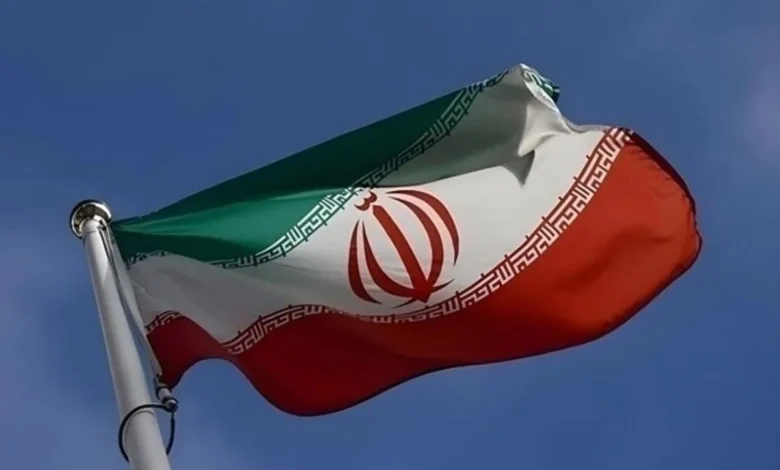
The Iranian currency, the rial, has recently found itself at the epicenter of global attention, a consequence of escalating geopolitical tensions and shifting global economic policies. The United States, under President Donald Trump, has implemented stringent measures, imposing tariffs of up to 25 percent on nations continuing business collaborations with Iran. This decisive action has reverberated across the international economic landscape, eliciting a spectrum of reactions, most notably impacting Iran’s domestic economic stability and leading to a significant devaluation of its national currency. Recent reports indicate that the Iranian rial has reached historic lows when converted to the Euro, underscoring the immense pressure on Iran’s economy, exacerbated by prolonged sanctions and persistent inflation.
However, a curious paradox emerges when one traverses the bustling traditional markets or navigates the modern shopping centers of Iran. The term "rial" is conspicuously absent from everyday transactional conversations. Instead, locals overwhelmingly employ the term "toman" when discussing the prices of goods and services. This widespread adoption of "toman" is not an arbitrary linguistic shift; it is a direct consequence of hyperinflation, a persistent economic challenge that has necessitated a simplified system for quoting prices to avoid cumbersome, lengthy numerical figures.
This phenomenon begs a deeper exploration: what is Iran’s official currency, and what are the fundamental distinctions between the rial and the toman that frequently befuddle tourists and international economic observers alike? This comprehensive analysis delves into the intricacies of Iran’s monetary system, drawing from various credible sources.
The Official Legal Tender: Iran’s Rial
Legally and administratively, the rial (IRR) stands as Iran’s official currency. It is the unit of account used in all official banking transactions, government documentation, and is the officially designated price displayed in modern retail establishments. The rial has been the cornerstone of Iran’s monetary system for decades, with its value fluctuating based on economic conditions and international relations.
Rial vs. Toman: A Practical Distinction Born of Inflation
Despite the rial’s official status, its practical application in daily life has been largely supplanted by the "toman" in common parlance. The reason for this divergence is rooted in Iran’s historical experience with significant inflation. To simplify transactions and avoid dealing with extremely large numbers, a de facto conversion system has taken hold among the populace.
In essence, one toman is equivalent to 10 rials. This simplification effectively removes one zero from the rial’s value, making price quotations and calculations far more manageable for the average Iranian. For instance, a price stated as 60,000 toman in a marketplace translates to 600,000 rials in official terms. This stark difference in how prices are communicated is a primary source of confusion for foreign visitors who are accustomed to official currency denominations.
Historical Context and the Genesis of the Toman System
The rial was introduced in 1932, replacing the qiran. For many years, it served as the stable currency. However, periods of economic instability, coupled with the impact of international sanctions, have led to a dramatic erosion of the rial’s purchasing power. This sustained inflationary pressure has made dealing with large numbers of rials impractical for everyday commerce. The "toman" system, therefore, emerged organically as a coping mechanism, a practical solution to a persistent economic challenge.
While the rial remains the legal tender, imprinted on banknotes and utilized in official financial records, the toman has become the vernacular of the marketplace. This duality has persisted for years, creating a complex financial landscape for those unfamiliar with Iran’s unique monetary conventions.
A Timeline of Economic Pressure and Currency Evolution
The current economic challenges facing Iran are not sudden developments but rather the culmination of years of geopolitical maneuvering and economic policy decisions.
- Pre-2018: Iran’s economy was already grappling with inflationary pressures, albeit at a more manageable rate. The rial experienced gradual depreciation.
- 2018: The United States’ withdrawal from the Joint Comprehensive Plan of Action (JCPOA) and the re-imposition of sanctions marked a significant turning point. This led to a sharp decline in Iran’s oil exports and a dramatic devaluation of the rial. The currency lost a substantial portion of its value against major international currencies within months.
- 2019-2020: The economic strain intensified. Hyperinflation became a pressing concern, further eroding the rial’s value and making the "toman" system even more indispensable for daily transactions. The government began to acknowledge the need for a long-term solution to address the currency’s instability and the public’s reliance on the informal "toman" system.
- 2020 Onwards: The Central Bank of Iran (CBI) initiated a comprehensive currency reform project, aiming to simplify the monetary system and bolster confidence. This included plans for redenominating the currency.
Government Intervention: The Redenomination Initiative
Recognizing the long-standing confusion and the economic implications of the rial’s devaluation, the Iranian government, through the Central Bank of Iran (CBI), embarked on a significant currency reform. This ambitious project, initiated in 2020, aims to formally address the issue of the rial’s diminished value and the widespread use of the toman.
The core of this reform is redenomination, a process that involves revaluing a currency by removing a number of zeros from its face value. The plan is to officially replace the rial with a new currency, the "toman," with a significantly simplified denomination. The proposed conversion rate is 10,000 old rials to 1 new toman. This would effectively remove four zeros from the rial’s value, bringing it in line with the practical usage of the toman.
The implementation of this redenomination is being rolled out in phases. While initial steps were taken in 2020, a more widespread and comprehensive implementation is scheduled for the period between 2025 and 2026. During this transition, the new currency will be subdivided into smaller units, with the "qiran" being reintroduced as a denomination of 100 qiran to 1 new toman. This echoes historical monetary units and aims to provide a granular system for smaller transactions.
During this transitional phase, both old rial-denominated banknotes and new toman-denominated currency will coexist and remain legal tender. New banknotes are being introduced with significantly reduced nominal values, often featuring a faint indication of the removed zeros to guide the public and facilitate a gradual adjustment to the new system.
Factors Fueling the Rial’s Weakness
The precarious state of the Iranian rial is a multifaceted issue, deeply intertwined with both internal economic challenges and external geopolitical pressures. Several key factors contribute to its persistent weakness:
- International Sanctions: The re-imposition and intensification of sanctions by the United States and other international bodies have had a devastating impact on Iran’s economy. These sanctions target key sectors, including oil exports, banking, and trade, severely limiting the country’s access to foreign currency reserves and disrupting its ability to engage in international commerce. This reduces demand for the rial and increases demand for foreign currencies like the US dollar.
- Geopolitical Tensions: The volatile geopolitical landscape in the Middle East, often involving Iran and its regional adversaries, creates uncertainty and deters foreign investment. This instability further weakens investor confidence in the Iranian economy and its currency.
- High Inflation Rates: Iran has consistently battled high inflation, a problem exacerbated by the aforementioned sanctions and economic mismanagement. Inflation erodes the purchasing power of the currency, leading to a continuous decline in its value. According to various economic reports, Iran’s inflation rate has often been in the double digits, sometimes reaching alarming levels. For example, inflation in Iran has been reported to be above 40% in recent years, significantly impacting the rial’s stability.
- Economic Policies and Structural Issues: Internal economic policies, including subsidies, trade imbalances, and structural inefficiencies within state-owned enterprises, also contribute to the rial’s vulnerability. The reliance on oil revenues, which are subject to global price fluctuations and sanctions, makes the economy susceptible to external shocks.
- Capital Flight: Periods of economic uncertainty and political instability often trigger capital flight, where domestic and foreign investors move their assets out of the country to safer havens. This outflow of capital further depletes foreign exchange reserves and puts downward pressure on the rial.
Broader Implications and Future Outlook
The ongoing devaluation of the Iranian rial has profound implications, both domestically and internationally.
Domestically:
- Erosion of Purchasing Power: Iranian citizens face a significant decline in their purchasing power. Everyday goods and imported items become increasingly expensive, impacting living standards and leading to social discontent.
- Impact on Businesses: Businesses that rely on imported raw materials or finished goods face higher costs, potentially leading to reduced production, price increases, and even closures. Exporters, however, may benefit from a weaker currency, making their goods cheaper on the international market.
- Investment Climate: The volatile currency situation creates an unfavorable investment climate, deterring both domestic and foreign investment, which is crucial for economic growth and job creation.
- Social Impact: The economic hardship can lead to increased poverty rates and social instability. The government faces the challenge of mitigating the impact on vulnerable populations through social welfare programs.
Internationally:
- Trade Disruptions: Sanctions and currency volatility can disrupt international trade flows, affecting countries that have trade relationships with Iran.
- Regional Economic Stability: Iran’s economic situation can have ripple effects on regional economic stability, particularly in neighboring countries.
- Global Inflationary Pressures: While not a primary driver, the impact of sanctions on a major oil producer like Iran can indirectly contribute to global energy price volatility, which in turn can influence global inflation.
The redenomination initiative, while a necessary step towards simplifying the currency system and potentially restoring some confidence, is not a silver bullet. Its success will depend heavily on the broader economic reforms undertaken by the Iranian government, the easing of international sanctions, and the stabilization of the geopolitical environment. The transition from the rial to the toman is more than just a technical adjustment; it is a reflection of Iran’s enduring struggle to navigate economic headwinds while striving for stability and growth in a complex global arena. The world will be watching closely to see how this ambitious currency reform unfolds and its ultimate impact on Iran’s economic future.
Related posts: