The Debate Over Washing Disposable Menstrual Pads: Health Experts Clarify Best Disposal Practices

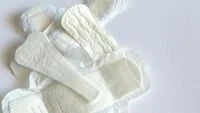
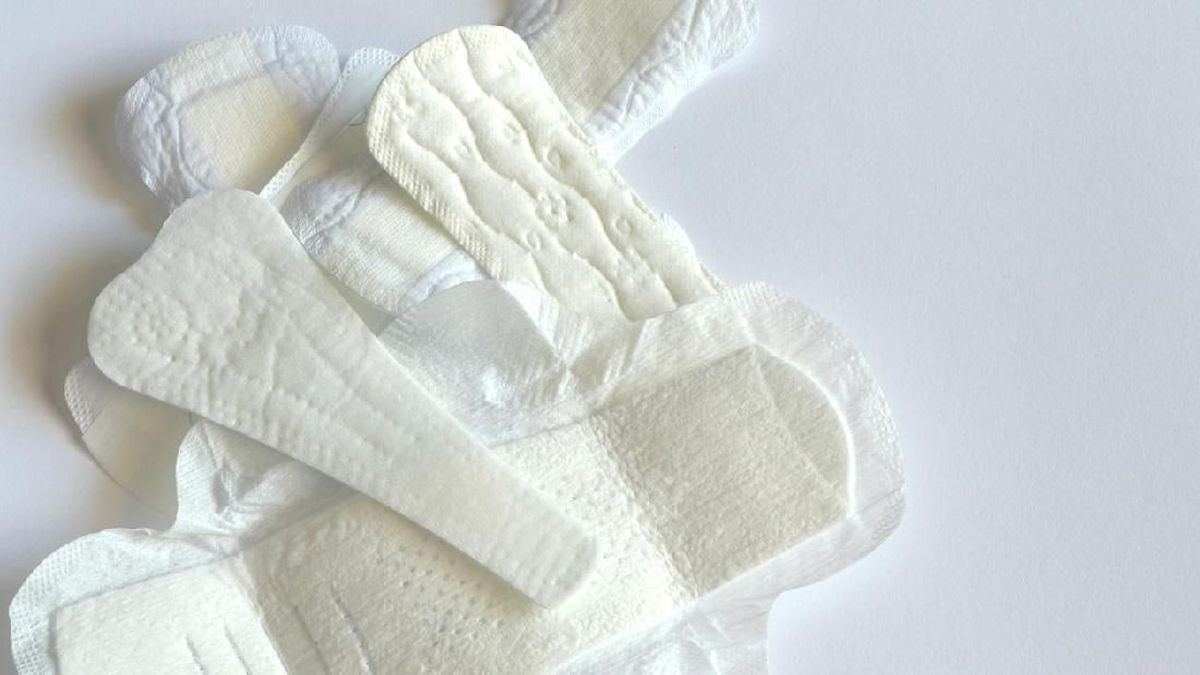
A recurring discussion on social media platforms has reignited a debate over a seemingly mundane habit: whether disposable menstrual pads should be washed before being discarded. While some individuals maintain the practice, believing it to be more polite or hygienic, health organizations and experts are emphasizing that this is an unnecessary step and can even contribute to water wastage. The consensus from global health bodies points to proper disposal as the key to menstrual hygiene management, rather than washing disposable products.
The origin of this debate often stems from cultural norms and a desire to present a "cleaner" appearance of used menstrual products, particularly in households where waste disposal might be visible or shared. However, according to the World Health Organization (WHO), the primary source of guidance on menstrual health, the emphasis for disposable sanitary pads lies not in washing, but in their correct disposal.
Understanding Menstrual Hygiene Management: The WHO Perspective
The World Health Organization (WHO) provides comprehensive guidelines on menstrual health and hygiene management, stressing that the approach to managing menstrual products should align with the type of product used. For disposable sanitary pads, the WHO’s recommendations are straightforward:
-
Disposable Sanitary Pads: Once a disposable pad has served its purpose, the recommended practice is to wrap it securely. This wrapping prevents the visible presence of blood, thus mitigating potential environmental contamination and aesthetic concerns. The wrapped pad should then be placed in a designated waste bin. Washing these products is not recommended by the WHO and serves no established health benefit.
-
Reusable Menstrual Products: In contrast, menstrual products designed for repeated use, such as reusable pads or menstrual cups, require a different protocol. These items must be thoroughly cleaned with soap and water, dried completely, and then stored for subsequent use. The distinction between disposable and reusable products is crucial for effective and sustainable menstrual hygiene.
Why the Persistent Practice of Washing Disposable Pads?
Despite the clear guidance from health organizations, the practice of washing disposable menstrual pads remains surprisingly prevalent in many regions, including Indonesia, where the original report originates. A study titled "A Study on Menstrual Hygiene Management in West Java, Indonesia," highlighted that nearly all respondents in their survey habitually washed disposable pads before disposal.
This research indicated that the average amount of water used per washing session for a single disposable pad ranged from three to five liters. The study’s researchers concluded that this practice is seldom driven by medical or health considerations. Instead, it appears to be deeply rooted in a complex interplay of cultural norms, familial traditions passed down through generations, and a societal discomfort or apprehension about the discovery of menstrual blood by others. This ingrained behavior underscores the challenges in shifting ingrained habits, even when they lack scientific backing or health advantages.
The Absence of Scientific Evidence for Enhanced Hygiene
Crucially, the same study, and broader scientific literature on menstrual hygiene, has found no empirical evidence to support the claim that washing disposable menstrual pads offers any additional health benefits compared to simply discarding them after proper wrapping. The practice of washing disposable pads does not render them more hygienic in a way that would prevent the transmission of diseases or improve personal health outcomes.
Conversely, this habit can have significant environmental implications, particularly when adopted by millions of women. The substantial consumption of clean water for a non-essential task raises concerns about resource management and sustainability. This wastage is exacerbated by the fact that the disposable nature of the product is inherently designed for single use, and attempts to "clean" it do not alter its material composition or its ultimate destination as waste.
The Implications for Water Resources and Environmental Sustainability
The collective impact of millions of women washing disposable menstrual pads can be substantial. If each woman uses, on average, four liters of water per pad, and assuming a menstruating individual uses an average of 10-15 pads per cycle, this translates to a significant daily water expenditure across a population. In regions already facing water scarcity, such practices can exacerbate existing challenges and place an undue burden on limited resources.
Furthermore, the water used for washing often contains menstrual blood and bodily fluids. Without adequate wastewater treatment facilities, this discharge can contribute to environmental pollution, impacting local water bodies and ecosystems. This unintended consequence highlights how well-intentioned but misguided practices can have negative ripple effects.
The Importance of Education and Shifting Perceptions
Researchers involved in studies on menstrual hygiene management advocate for enhanced public education to address the misconceptions surrounding the disposal of menstrual products. A key objective of this educational outreach should be to clearly differentiate between the proper management of disposable and reusable menstrual hygiene items.
Understanding the intended lifecycle of each product is paramount. Disposable pads are engineered for single use and are intended to be disposed of as sanitary waste. Reusable products, on the other hand, are designed for longevity and require specific cleaning and maintenance routines to ensure their continued safety and efficacy.
Best Practices for Menstrual Waste Disposal: A Global Standard
To promote better menstrual hygiene and environmental stewardship, adherence to established guidelines is essential. Based on WHO recommendations and global best practices, the disposal of menstrual products can be summarized as follows:
-
For Disposable Sanitary Pads:
- After use, the pad should be carefully wrapped, typically in the packaging it came in or toilet paper.
- The wrapped pad should then be placed in a designated waste bin. Ideally, this bin should be covered to minimize odor and prevent the spread of any potential pathogens.
- Regular emptying of waste bins is important to maintain hygiene in the immediate environment.
-
For Reusable Menstrual Products (e.g., Reusable Pads, Menstrual Cups):
- These products require thorough cleaning after each use.
- Reusable pads should be washed with mild soap and water, rinsed thoroughly, and dried completely in the sun or a well-ventilated area.
- Menstrual cups need to be rinsed, washed with mild, unscented soap and water, and then boiled periodically for sterilization, as per manufacturer instructions.
- Proper drying is crucial to prevent the growth of bacteria and mold.
Addressing Cultural Nuances and Evolving Practices
The persistence of washing disposable pads, despite lacking scientific justification, points to the deep influence of cultural conditioning. Shifting these ingrained behaviors requires a multi-pronged approach that combines accurate health information with sensitivity to cultural contexts.
Public health campaigns can play a vital role in disseminating clear and concise information about menstrual hygiene. These campaigns should:
- Emphasize the "why": Explain the health and environmental reasons behind the recommended practices.
- Debunk myths: Directly address common misconceptions, such as the idea that washing makes disposable pads more hygienic.
- Promote resource conservation: Highlight the water-saving benefits of proper disposal.
- Empower women: Encourage informed choices based on scientific evidence and personal comfort, while respecting diverse cultural backgrounds.
- Involve community leaders and influencers: Engaging trusted figures can help amplify messages and foster acceptance of new practices.
The conversation around menstrual hygiene is evolving, moving towards more sustainable and evidence-based approaches. By understanding and adhering to the recommendations of global health organizations like the WHO, individuals can contribute to both their personal well-being and the health of the planet. The focus should remain on proper disposal of disposable products and diligent care of reusable alternatives, rather than on practices that are not supported by scientific evidence and may inadvertently lead to resource depletion.