The Complex Currency Landscape of Iran: Rial, Toman, and the Shadow of Geopolitical Tensions

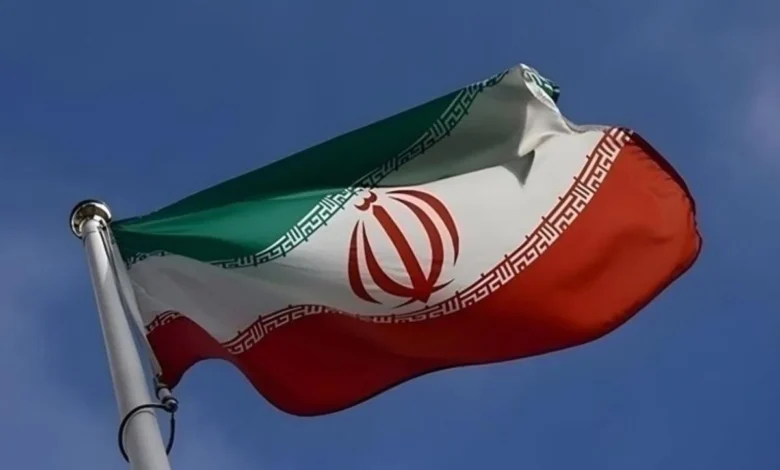
The Iranian currency has recently found itself under intense global scrutiny, a focal point amidst escalating geopolitical tensions and evolving global economic policies. The United States, under President Donald Trump, has implemented stringent measures, including imposing tariffs of up to 25 percent on countries maintaining business ties with Iran. This decisive action has reverberated through Iran’s economic landscape, most notably contributing to a significant depreciation of its national currency, the rial. Recent reports indicate that the Iranian rial has experienced substantial weakening, with its exchange rate against the euro reaching historic lows, underscoring the severe economic pressures the nation faces due to prolonged sanctions and persistent inflation.
Despite the official pronouncements and the volatile exchange rates of the rial, a fascinating duality emerges when one ventures into Iran’s bustling traditional bazaars or navigates its modern shopping centers. The term "rial" is conspicuously absent from everyday transaction conversations. Instead, the local populace predominantly uses the term "toman" when discussing the prices of goods and services. This widespread adoption of "toman" is not a mere linguistic quirk; it is a direct consequence of the nation’s exceptionally high inflation rate. To simplify pricing and avoid cumbersome long-number designations, Iranians have informally adopted the toman as a practical unit of account.
This phenomenon raises pertinent questions about the official currency of Iran, the historical evolution of its monetary system, and the fundamental differences between the rial and the toman, which often perplexes international observers and tourists alike. This comprehensive review delves into the intricacies of Iran’s monetary system, drawing from various authoritative sources to illuminate the underlying realities.
The Official Currency: The Iranian Rial
Legally and administratively, the Iranian rial (IRR) remains the nation’s official currency. All official banking transactions, government documents, and pricing displayed in modern commercial establishments are denominated in rials. The international banking community recognizes the rial as the legitimate tender of the Islamic Republic of Iran.
The Unofficial Reign of the Toman: A Practical Adaptation
Despite the rial’s official status, its practical application in daily commerce is largely superseded by the toman. In everyday interactions, Iranians rarely refer to prices in rials. The convenience of the toman as a pricing unit has made it the de facto currency for most transactions.
The fundamental difference between the rial and the toman lies in their numerical relationship, a simplification born out of economic necessity. One toman is equivalent to 10,000 rials. This means that the toman can be understood as the rial with four zeros removed. This system greatly facilitates verbal price communication, eliminating the need to articulate lengthy strings of numbers, particularly when dealing with large sums. For instance, a price stated as 60,000 toman in a market translates to 600,000 rials. This discrepancy between official denomination and common usage has historically been a source of confusion for foreign visitors unfamiliar with Iran’s unique monetary convention.
Historical Roots and Juridical Standing
Historically and legally, the rial is the legitimate currency, appearing on banknotes and in all official financial documentation. However, the relentless pressure of inflation has eroded the rial’s value to such an extent that the populace has resorted to a more practical method of expressing monetary worth. The underlying principle is straightforward: the toman represents a simplified unit of the rial.
The Redenomination Initiative: A Move Towards Simplification
To address the long-standing confusion and to streamline the national financial system, the Iranian government, through the Central Bank of Iran (CBI), initiated a currency redenominasi policy. This process, which began to be rolled out more broadly and gradually between 2020 and is slated for more extensive implementation from 2025 to 2026, aims to officially replace the primary unit of currency from the rial to a new version of the toman. This significant reform involves removing four zeros from the rial. Under this new scheme, 10,000 old rials will be equivalent to 1 new toman. The new toman will also be subdivided into smaller denominations, with the qiran serving as the sub-unit, where one toman comprises 100 qirans.
During this transitional period, older rial banknotes will continue to be legal tender and circulate alongside the new toman currency. Banknotes issued during this phase will feature smaller nominal values, often accompanied by a ghosted indication of the removed zeros, serving as a visual cue for the system change and aiding the public’s gradual adjustment.
Factors Contributing to the Weakening of the Iranian Currency
The persistent depreciation of the Iranian rial is a multifaceted issue, deeply intertwined with both domestic economic challenges and external geopolitical pressures.
The Impact of International Sanctions
Since the early stages of its nuclear program and subsequent diplomatic tensions with Western powers, Iran has been subjected to a complex web of international sanctions. These sanctions, primarily imposed by the United States and its allies, have targeted key sectors of the Iranian economy, including its oil and petrochemical industries, financial institutions, and access to international markets.
The imposition of sanctions has had a cascading effect on the Iranian economy. Reduced oil export revenues, a crucial source of foreign currency for the government, have significantly constrained its ability to fund imports, invest in infrastructure, and maintain social welfare programs. The freezing of assets and restrictions on international financial transactions have also hampered trade and investment, leading to capital flight and reduced foreign direct investment.
The US administration’s policy of "maximum pressure" has particularly amplified these challenges. By withdrawing from the Joint Comprehensive Plan of Action (JCPOA) in 2018 and reimposing stringent sanctions, the US aimed to cripple Iran’s economy and force it to renegotiate the terms of the nuclear deal. This strategy has demonstrably weakened the rial.
Timeline of Key Sanction Developments:
- 2006-2010: United Nations Security Council resolutions impose sanctions related to Iran’s nuclear program.
- 2010: The US enacts the Comprehensive Iran Sanctions, Accountability, and Divestment Act (CISADA), expanding sanctions.
- 2012-2013: Further US and EU sanctions target Iran’s oil and financial sectors, leading to a significant drop in oil exports and currency devaluation.
- 2015: The JCPOA is signed, leading to the lifting of many international sanctions in exchange for curbs on Iran’s nuclear activities.
- 2018: The US withdraws from the JCPOA and reimposes a wide range of sanctions, including secondary sanctions on countries trading with Iran.
- 2019-Present: The "maximum pressure" campaign continues, with targeted sanctions on individuals, entities, and sectors, including the Islamic Revolutionary Guard Corps (IRGC).
The effectiveness of these sanctions in achieving their stated political objectives remains a subject of debate. However, their impact on the Iranian economy and its currency is undeniable. The rial’s value has plummeted dramatically since 2018, exacerbating inflation and reducing the purchasing power of ordinary Iranians.
Domestic Economic Challenges: Inflation and Structural Issues
Beyond external pressures, Iran grapples with deeply entrenched domestic economic challenges. Chronic high inflation has been a persistent problem, even before the most recent wave of sanctions. This inflation is driven by a confluence of factors, including:
- Monetary Policy: Historically, Iran has experienced periods of expansionary monetary policy, leading to an increase in the money supply that outpaces economic growth, fueling inflation.
- Government Spending and Subsidies: Significant government spending, including substantial subsidies on energy, food, and other essential goods, contributes to fiscal deficits, which are often financed through printing money.
- Supply Chain Disruptions: Sanctions have disrupted supply chains, increasing the cost of imported goods and raw materials, which are then passed on to consumers.
- Structural Deficiencies: The Iranian economy suffers from structural issues such as a large, inefficient state sector, corruption, and a lack of diversification, which hinder productivity and competitiveness.
The combination of sanctions and these internal economic vulnerabilities has created a perfect storm for currency depreciation and soaring inflation. The rial’s weakness directly translates into higher import costs, making essential goods more expensive and eroding the living standards of the population.
Geopolitical Tensions and Global Economic Shifts
The broader geopolitical landscape significantly influences the value of any nation’s currency, and Iran is no exception. Escalating tensions in the Middle East, including direct confrontations and proxy conflicts involving Iran, create uncertainty and risk aversion among international investors. This can lead to capital outflows and further pressure on the currency.
Furthermore, global economic shifts, such as changes in commodity prices (particularly oil), interest rate policies in major economies, and global trade dynamics, also play a role. While Iran’s economy is largely insulated from direct participation in global financial markets due to sanctions, these external factors can indirectly affect its economic performance and currency stability.
The United States’ policy of imposing tariffs on nations engaging in business with Iran directly aims to isolate the country economically. This strategy forces third-party countries to choose between maintaining trade relations with Iran and facing potential penalties from the US. This creates a chilling effect on international trade and investment, further contributing to Iran’s economic isolation and currency woes.
Analysis of Implications
The weakening of the Iranian rial and the pervasive use of the toman have profound implications:
- Erosion of Purchasing Power: For ordinary Iranians, the depreciation of the rial means that their savings and incomes buy less. This has led to a decline in living standards, increased poverty, and social discontent.
- Increased Cost of Imports: Essential goods, including food, medicine, and raw materials for industry, are often imported. A weaker rial makes these imports more expensive, contributing to inflation and potentially leading to shortages.
- Economic Instability and Uncertainty: The volatile exchange rate creates an environment of economic instability, making it difficult for businesses to plan and invest. This discourages long-term economic development.
- Challenges for International Trade and Investment: While the toman is used domestically, international transactions are still officially denominated in rials. The complexity of currency conversions and the inherent risk associated with the rial’s instability deter foreign companies from engaging in trade or investment with Iran.
- Social and Political Ramifications: Economic hardship often translates into social unrest and can fuel political opposition. The government faces the challenge of managing public dissatisfaction stemming from economic woes.
- The Redenomination as a Strategic Move: The CBI’s redenominasi policy, while a practical step to simplify transactions, is also a strategic move to signal a move towards greater economic stability and modernity, even amidst external pressures. However, its ultimate success will depend on broader economic reforms and the eventual easing of sanctions.
Broader Impact and Outlook
The situation in Iran highlights the interconnectedness of global politics and economics. The US sanctions, while intended to exert pressure, have had significant humanitarian and economic consequences not only for Iran but potentially for global markets as well, depending on the extent of disruption to oil supplies or trade routes.
The long-term outlook for the Iranian currency remains uncertain and heavily contingent on the trajectory of geopolitical relations, the future of international sanctions, and the effectiveness of Iran’s domestic economic policies. The successful implementation of the redenominasi plan, coupled with robust economic reforms aimed at controlling inflation and fostering growth, could provide a pathway towards greater currency stability. However, without a resolution to the geopolitical tensions and a potential easing of sanctions, the Iranian economy, and its currency, will likely continue to face significant headwinds. The dual system of rial and toman, while a testament to the resilience and adaptability of the Iranian people, also serves as a stark reminder of the economic challenges that persist within the nation.