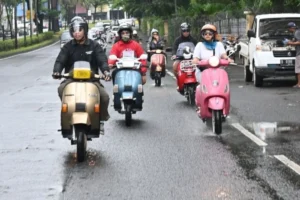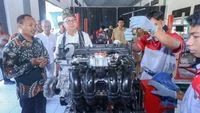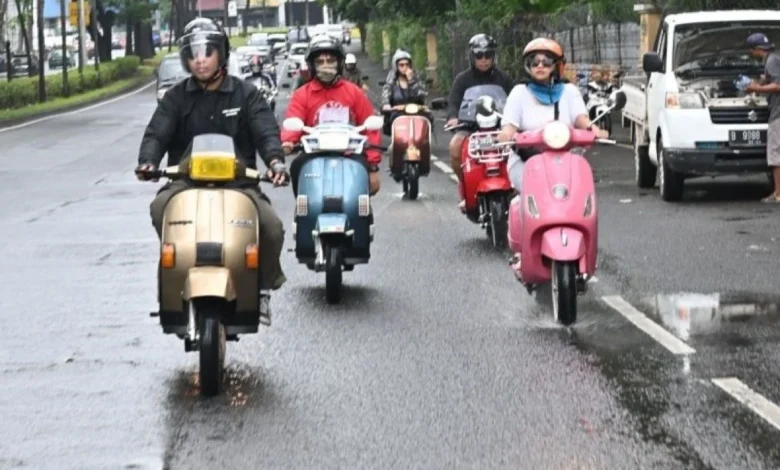
Vespa matic scooters have cemented their status as a highly sought-after mode of transportation in Indonesia, particularly among the younger demographic. This popularity stems from a harmonious blend of iconic classic design and modern technological integration, all while offering a comfortable riding experience for daily commutes. However, like any sophisticated machinery, these scooters require diligent and consistent maintenance to ensure their engines perform at their peak. Routine servicing, encompassing essential tasks such as engine oil and transmission oil changes, periodic cleaning of the fuel injection system, and dedicated attention to the Continuously Variable Transmission (CVT) components, are fundamental to preserving the vehicle’s optimal condition and longevity.
Despite adhering to recommended maintenance schedules, a significant number of Vespa matic owners frequently report a disconcerting issue: their engines exhibit a noticeable hesitation or sputtering when the throttle is engaged. This phenomenon not only detracts from the smooth acceleration expected from such a stylish scooter but can also disrupt the overall riding experience and potentially compromise the rider’s confidence and safety during daily activities.
The underlying causes of this "brebet" or engine hesitation in Vespa matic scooters are multifaceted, often pointing to disruptions within the ignition system, fuel delivery network, air intake pathways, or even the intricate workings of the CVT. A comprehensive understanding of these potential failure points is crucial for both owners and mechanics to effectively diagnose and rectify the problem.
Common Culprits Behind Vespa Matic Engine Hesitation
Drawing from insights shared by enthusiasts on platforms like Instagram’s Vestigo and corroborated by various automotive media outlets, several primary factors commonly contribute to engine hesitation in Vespa matic scooters.
1. Damaged Spark Plug Cap (Cangklong Busi)
A frequently overlooked yet critical component responsible for engine hesitation is the spark plug cap, often referred to as "cangklong busi." This essential part acts as the conduit, channeling electrical current from the ignition coil to the spark plug. In Vespa matic scooters, these caps are typically manufactured from rubber, a material susceptible to hardening and becoming brittle over time due to constant exposure to heat and vibration.
Beyond the natural aging process, improper installation of the spark plug cap can also lead to its malfunction. This can cause the internal spring contact to shift from its designated position, disrupting the flow of electricity to the spark plug. Consequently, the electrical current reaching the spark plug becomes unstable, resulting in a weaker spark in the combustion chamber. This suboptimal spark leads to incomplete combustion, manifesting as engine hesitation and a lack of responsiveness when accelerating.
2. Fouled or Worn Spark Plugs
The spark plug itself is a cornerstone of the ignition system, its primary role being to generate the spark that ignites the air-fuel mixture within the combustion chamber. Over time, the tip of the spark plug can accumulate carbon deposits as a byproduct of the combustion process, leading to fouling. Furthermore, the electrodes of the spark plug can experience wear, causing the gap between them to deviate from the manufacturer’s specified dimensions.
When a spark plug is either fouled or worn, the spark it produces becomes inconsistent. This inconsistency directly impedes efficient combustion, resulting in a loss of engine power and the characteristic sputtering sensation when the throttle is applied. Regular inspection and replacement of spark plugs, typically every 5,000 to 10,000 kilometers depending on usage and fuel quality, are therefore vital.
3. Malfunctioning Ignition Coil or Spark Plug Wires
Beyond issues with the spark plug and its cap, problems with the ignition coil or the spark plug wires themselves can also trigger engine hesitation. The ignition coil’s function is to amplify the electrical voltage before it is delivered to the spark plug. If the ignition coil begins to weaken with age or use, or if the spark plug wires become damaged due to wear and tear, the electrical current reaching the spark plug will be insufficient.
A weakened spark translates to inefficient combustion, ultimately diminishing the engine’s overall performance and leading to the noticeable hesitations during operation. The lifespan of an ignition coil can vary, but it is generally designed to last for tens of thousands of kilometers. However, exposure to extreme temperatures, moisture, and vibrations can shorten its effective service life.
4. Clogged Fuel Filter or Weak Fuel Pump
Disruptions within the fuel delivery system represent another common source of engine hesitation in Vespa matic scooters. A clogged fuel filter can impede the smooth flow of gasoline to the fuel injectors. Similarly, a fuel pump that is weakening or becoming obstructed by debris can lead to an inconsistent supply of fuel.
When the fuel pressure fails to meet the engine’s requirements, the fuel supply becomes unstable, thereby disrupting the combustion process. This instability is particularly noticeable during acceleration, manifesting as a jerky or hesitant ride. The fuel filter, a relatively inexpensive component, typically requires replacement every 10,000 to 15,000 kilometers, while the fuel pump, being more complex, is expected to last considerably longer but can be affected by fuel quality and contamination.
5. Dirty Injectors or Throttle Body
Vespa matic scooters employ an electronic fuel injection system, which necessitates clean injectors for optimal fuel atomization. Over the course of usage, carbon deposits and other contaminants can accumulate within the injectors and the throttle body. These buildups can disrupt the spray pattern of the fuel, leading to an imbalanced air-fuel mixture.
An imperfect air-fuel mixture results in incomplete combustion within the engine, causing hesitation, especially when the rider attempts to accelerate. Professional cleaning of the fuel injectors and throttle body is often recommended as part of scheduled maintenance, typically every 15,000 to 20,000 kilometers, or sooner if symptoms arise.
6. Contaminated Fuel
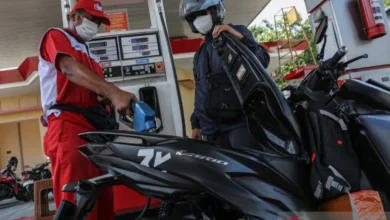
The quality of the fuel used directly impacts engine performance. The presence of water in the fuel tank can severely disrupt the combustion process, as water is incapable of burning like gasoline. Such contamination can lead to a noticeable loss of power, engine sputtering, and in severe cases, difficulty starting the engine. To mitigate this risk, owners are advised to refuel at reputable gas stations and ensure the fuel tank cap is securely sealed to prevent moisture ingress.
7. Clogged Air Filter
The air filter plays a crucial role in ensuring that only clean air enters the combustion chamber. If the air filter becomes clogged with dust and debris, it restricts the amount of air available for combustion. This imbalance in the air-fuel mixture leads to inefficient combustion, reduced engine performance, and the characteristic hesitation when the scooter is accelerated. The air filter is a relatively simple component to inspect and replace, with recommendations for replacement typically falling between 8,000 and 12,000 kilometers, depending on the riding environment.
8. Worn or Damaged CVT Rollers
It is important to recognize that not all instances of engine hesitation originate from the engine itself. In some cases, the issue can stem from the Continuously Variable Transmission (CVT) system. A common culprit within the CVT is worn or misshapen (peyang) rollers. When these rollers lose their perfect spherical shape, they can disrupt the smooth movement of the pulleys, leading to a jerky or unsmooth transfer of gear ratios.
This malfunction within the CVT can manifest as vibrations, hesitant acceleration, or a noticeable sputtering sensation when the throttle is engaged. The rollers, being subject to constant friction and centrifugal force, typically require inspection and potential replacement every 15,000 to 25,000 kilometers as part of regular CVT maintenance.
Proactive Measures to Prevent Vespa Matic Hesitation
To ensure that a Vespa matic scooter continues to operate at its optimal performance level and to circumvent issues like engine hesitation, a proactive approach to maintenance is paramount. Adherence to the manufacturer’s recommended servicing schedule is the cornerstone of preventative care. This includes regular inspections of critical components such as the spark plugs, ignition coils, air filter, fuel injectors, fuel filter, and the various parts of the CVT. Early detection of any potential issues can prevent minor problems from escalating into more significant and costly repairs.
Furthermore, utilizing fuel that aligns with the manufacturer’s specifications is highly recommended. Avoiding prolonged periods with an almost empty fuel tank can also prevent sediment from accumulating and potentially clogging the fuel system. Periodic professional cleaning of the fuel injection system is another vital step to ensure consistent and efficient combustion.
In instances where a Vespa matic scooter continues to exhibit engine hesitation despite regular and thorough maintenance, it is strongly advised to seek immediate professional assistance. Taking the vehicle to an authorized service center or a trusted, reputable workshop will allow for a more in-depth diagnosis and appropriate rectification. Addressing such issues promptly not only averts the risk of more severe mechanical damage but also significantly contributes to maintaining the rider’s safety and the overall enjoyment of their Vespa experience. The enduring appeal of the Vespa lies in its unique blend of style and performance, and consistent, informed maintenance is key to preserving this iconic riding experience for years to come.