Indonesia Establishes Regulatory Framework for Emerging "Flying Car" Technology, Paving the Way for Advanced Air Mobility

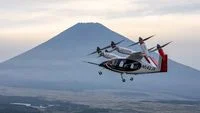
Indonesia has proactively established a comprehensive regulatory framework to address the advent of new technologies like "flying cars," often referred to as Advanced Air Mobility (AAM), aiming to preempt potential regulatory gaps that have emerged in many countries. The Directorate General of Air Transportation at the Ministry of Transportation has confirmed the existence of specific technical regulations governing both the products and the operators of these novel aerial vehicles.
The Indonesian government, through its aviation authorities, has been diligently working on creating a robust legal foundation to accommodate these transformative technologies. This foresight is crucial as the integration of AAM into the national transportation landscape presents unique challenges and opportunities. The proactive stance taken by Indonesia aims to ensure safety, security, and efficient integration of these innovations into the existing air traffic management systems.
A Proactive Approach to Advanced Air Mobility Regulation
Lukman F. Laisa, Director General of Air Transportation at the Ministry of Transportation, articulated the government’s readiness in an interview, stating that regulatory measures are already in place. "I see advanced air mobility this way; we already have regulations in DKPPU (Directorate of Airworthiness and Aircraft Operations) related to this, we have CASR (Civil Aviation Safety Regulation)," Lukman explained. He further elaborated that these regulations encompass various aspects, including product standards and operational requirements.
"We have CASR 22 and CASR 107 for the aircraft products themselves, and we also have regulations for operators, such as CASR 61 and CASR 65," Lukman added. These Civil Aviation Safety Regulations are foundational documents that outline the stringent requirements for the design, manufacturing, and operation of aircraft, ensuring that any new aerial vehicle, including those envisioned as "flying cars," meets established safety benchmarks. The mention of specific CASR numbers indicates a detailed and technical approach to regulation, moving beyond broad policy statements to concrete operational guidelines.
Addressing the Crucial Aspect of Airspace Management
Beyond the specifics of vehicle and operator certification, the Indonesian government has also addressed the critical issue of airspace regulation. The integration of AAM necessitates a clear understanding of its place within the national airspace. This is particularly important for technologies that might operate at lower altitudes or in different flight paths than traditional aircraft.
"Furthermore, the airspace has been regulated through Ministerial Regulation (PM) number 37 of 2020. So, the airspace for unmanned aircraft has been regulated, and we already have rules in place," Lukman stated. This regulation specifically targets unmanned aircraft systems, which often form the basis of many AAM concepts, including drones. By having these regulations in place, Indonesia is signaling its intent to manage the operational domain of these new vehicles, ensuring they do not conflict with existing air traffic and are safely integrated.
The existence of these dual regulatory pillars—one for the physical aspects of the technology (product and operator) and another for its operational environment (airspace)—provides a crucial legal guarantee. This framework is essential before products like flying cars can be widely used or commercialized within Indonesian territory. It signifies a commitment to a structured and lawful rollout of these advanced technologies.
International Collaboration for Accelerated Certification
Recognizing the global nature of technological development, Indonesia is actively pursuing international collaboration to expedite the certification of foreign-developed AAM technologies. This strategic move aims to reduce the time-to-market for innovative solutions that could benefit the country.
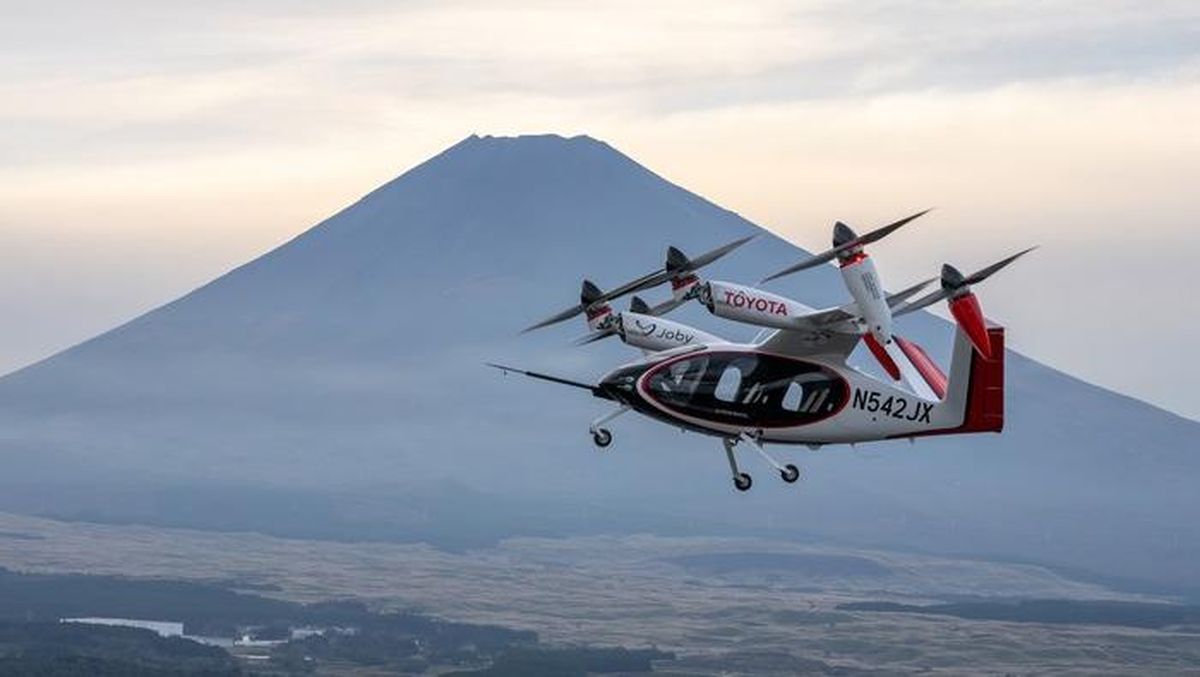
"What we are currently doing is collaborating with CAAC China (Civil Aviation Administration of China) on how we can certify or validate aircraft coming from China more quickly," Lukman revealed. This partnership with a major aviation regulator like China’s CAAC suggests a pragmatic approach to leveraging existing international expertise and certification processes. Such collaborations are vital for countries that may not have extensive indigenous AAM development capabilities but are eager to adopt and integrate these advanced solutions. The goal is to streamline the validation of foreign certifications, allowing for faster market entry while maintaining rigorous safety standards.
Strategic Vision: Supporting Logistics in Remote Areas
The long-term vision for developing and adopting AAM technology in Indonesia is deeply intertwined with national development goals, particularly in enhancing logistics and accessibility in remote and underserved regions.
"Our aspiration is to support logistics in the 3T regions (Tertinggal, Terdepan, and Terluar – Disadvantaged, Forefront, and Outermost regions). For this, we need unmanned aircraft, and the most comfortable way to use them is through drones, with the concept of advanced air mobility," Lukman explained. The 3T regions in Indonesia often face significant logistical challenges due to geographical barriers, limited infrastructure, and difficult terrain. AAM, particularly in the form of advanced drones and potentially larger uncrewed cargo aircraft, offers a viable solution to overcome these obstacles.
The ability of AAM to bypass terrestrial transportation limitations makes it an ideal candidate for delivering essential goods, medical supplies, and other critical items to these isolated communities. This application of technology not only addresses economic disparities but also plays a crucial role in improving social welfare and national integration.
Indonesia is not entirely new to domestic AAM development. Lukman noted the presence of local initiatives: "In Indonesia itself, there are already two products, perhaps from PT DI (Dirgantara Indonesia) and PT Inter. Everything is in process." This mention of Indonesian companies like PT DI, a state-owned aerospace manufacturer, indicates that the country is also fostering its own innovation in this sector. The ongoing development by local players suggests a dual strategy of both adopting international advancements and nurturing indigenous capabilities.
The Global Context of Advanced Air Mobility
The emergence of "flying cars" and broader AAM concepts represents a significant paradigm shift in transportation. Globally, the development of electric vertical takeoff and landing (eVTOL) aircraft, autonomous drones for cargo and passenger transport, and other innovative aerial mobility solutions is accelerating. Major players in the aerospace and automotive industries are investing heavily in research and development, with numerous prototypes and test flights being conducted worldwide.
Key trends and developments in the AAM sector globally include:
- Technological Advancements: Innovations in battery technology, electric propulsion, advanced avionics, and artificial intelligence are making eVTOL and autonomous flight increasingly feasible and efficient.
- Diverse Applications: Beyond passenger transport, AAM is envisioned for cargo delivery, emergency medical services, infrastructure inspection, and various other specialized roles.
- Regulatory Evolution: Aviation authorities worldwide, including the FAA in the United States and EASA in Europe, are actively developing new regulations and certification pathways for AAM. This process is complex, involving the creation of new standards for aircraft design, pilot training, air traffic management, and operational safety.
- Infrastructure Development: The deployment of AAM will require significant investment in new infrastructure, such as vertiports (vertically oriented landing and takeoff areas), charging stations, and dedicated air traffic management systems.
- Public Perception and Acceptance: Gaining public trust and acceptance for aerial vehicles operating in urban and suburban environments is a critical factor for the widespread adoption of AAM. Concerns regarding noise pollution, safety, and privacy need to be addressed.
Indonesia’s proactive regulatory approach positions it to participate in this global revolution. By establishing clear rules, the government aims to attract investment, foster innovation, and ensure that the integration of AAM aligns with national development priorities. The focus on supporting logistics in remote areas highlights a practical and impactful application of this cutting-edge technology, demonstrating a commitment to using innovation for the betterment of all its citizens, regardless of their geographical location. The ongoing efforts by both domestic companies and collaborations with international bodies signal a determined stride towards realizing the potential of advanced air mobility in the archipelago.