The Rise of Electric Bicycles: Navigating the Evolving Landscape of Sustainable Urban Mobility in 2026

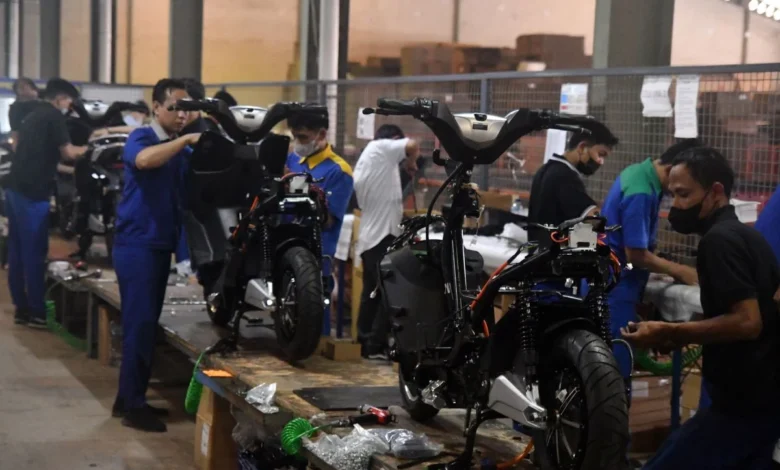
The year 2026 marks a significant inflection point for electric bicycles (e-bikes) in Indonesia and globally, as they solidify their position as a preferred mode of daily transportation. Driven by a confluence of factors including growing environmental consciousness, the pursuit of cost-effective mobility solutions, and rapid technological advancements, e-bikes are no longer a niche product but a mainstream choice for urban commuters. Manufacturers are responding with increasingly sophisticated models, boasting enhanced battery capacities, improved braking systems, and a suite of features designed to cater to diverse user needs. As the market matures, consumers are advised to look beyond the sticker price and delve into critical specifications such as battery range, load capacity, after-sales support, and spare parts availability to ensure long-term optimal usage.
The E-Bike Revolution: Drivers and Dynamics
The burgeoning popularity of e-bikes is underpinned by several key societal and technological trends. Firstly, the escalating cost of fossil fuels and the persistent challenges of urban traffic congestion have spurred a demand for more economical and efficient personal transport. E-bikes offer a compelling alternative, significantly reducing daily commuting expenses compared to traditional motorcycles or cars. Operating costs are notably lower, with electricity being a more affordable energy source than gasoline, and maintenance requirements generally being less intensive.
Secondly, a heightened awareness of environmental issues is a powerful catalyst. As cities grapple with air pollution and carbon emissions, e-bikes emerge as a beacon of sustainable mobility. Their zero-emission operation at the point of use aligns perfectly with global efforts to combat climate change and create greener urban environments. This eco-friendly aspect is increasingly resonating with a younger demographic and environmentally conscious consumers.
Thirdly, advancements in battery technology have been transformative. Lithium-ion batteries, now more energy-dense, lighter, and durable than ever before, are enabling e-bikes to achieve longer ranges on a single charge, alleviating range anxiety which was a significant barrier in earlier iterations. Furthermore, the integration of smart features, connectivity options, and improved safety mechanisms are elevating the user experience, making e-bikes more appealing and practical for everyday use.
The Indonesian market, in particular, is witnessing robust growth in the e-bike sector. Government initiatives aimed at promoting green transportation and the rapid urbanization across the archipelago are creating fertile ground for e-bike adoption. Local manufacturers and international brands alike are vying for market share, introducing a wide array of models tailored to the specific needs and preferences of Indonesian consumers. The competitive landscape is driving innovation and pushing the boundaries of what e-bikes can offer.
Navigating the Market: Key Considerations for Consumers
As the e-bike market expands, making an informed purchasing decision becomes paramount. Prospective buyers are encouraged to move beyond superficial aesthetics and price points to thoroughly evaluate several crucial factors that will dictate the long-term satisfaction and utility of their purchase.
- Battery Capacity and Range: This is arguably the most critical component. A larger battery capacity translates to a greater potential travel distance on a single charge. Consumers should assess their daily commuting needs and choose a model that comfortably exceeds this requirement to avoid frequent charging and potential inconvenience. The type of battery (e.g., lithium-ion) and its expected lifespan are also important considerations.
- Motor Power and Performance: The motor’s wattage dictates the e-bike’s ability to tackle inclines and maintain speed. For urban commuting with some inclines, a motor between 350W and 600W is generally sufficient. Higher wattage motors offer more power but may consume battery faster and could be subject to different regulations in some regions.
- Load Capacity: For individuals who need to carry groceries, a child, or other items, the maximum load capacity is a vital specification. This is often influenced by the frame design and motor power.
- Braking System: Safety is non-negotiable. E-bikes, especially those capable of higher speeds, require reliable braking systems. Disc brakes, both mechanical and hydraulic, offer superior stopping power compared to traditional rim brakes, particularly in wet conditions.
- Suspension and Comfort: For longer commutes or riding on varied terrains, suspension systems (front fork, rear shock absorbers) can significantly enhance ride comfort. Ergonomic design of the saddle, handlebars, and pedal placement also plays a crucial role.
- Durability and Build Quality: The frame material (e.g., aluminum alloy, steel) and the overall construction quality will determine the e-bike’s longevity and its ability to withstand daily use.
- After-Sales Service and Spare Parts Availability: A robust after-sales network is essential. Consumers should inquire about warranty policies, the availability of authorized service centers, and the ease of obtaining spare parts. This is particularly important for ensuring the continued operation of the e-bike throughout its lifespan.
Top E-Bike Recommendations for 2026
In anticipation of evolving consumer demands and technological integrations, several e-bike models are poised to be highly recommended for purchase in 2026. These selections are based on a comprehensive review of emerging features, performance metrics, and market feedback.
1. Uwinfly D66A: The Powerhouse Commuter
The Uwinfly D66A has emerged as a strong contender in the daily mobility segment, largely due to its robust 600-watt motor. This power output is more than adequate for navigating urban landscapes, offering brisk acceleration and the ability to manage moderate inclines with ease. Beyond its motor prowess, the D66A boasts a commendable travel range on a single charge, significantly reducing the frequency of recharging for daily users. The inclusion of modern amenities such as bright LED lighting for enhanced visibility, a clear digital instrument panel displaying essential ride information, and the practical benefit of tubeless tires (which reduce the likelihood of punctures) further solidify its position as a practical and reliable choice for the discerning commuter. Its design prioritizes functionality and durability, making it a sound investment for those seeking consistent performance.
2. Viar Vitron 02: Modern Design Meets Extensive Reach
Viar, a recognized name in the Indonesian automotive market, presents the Vitron 02 with a design that is both contemporary and functional. Its frame is engineered for sturdiness, providing a stable and secure riding experience. The Vitron 02 is particularly well-suited for urban environments, offering a comfortable ride for daily commutes. A significant advantage for Indonesian consumers is Viar’s established and extensive after-sales service network spread across the archipelago. This broad reach ensures that users can access maintenance, repairs, and customer support with relative ease, a crucial factor for long-term ownership satisfaction and minimizing downtime.
3. Exotic Veloce V7: Compact Convenience and Ergonomic Comfort
For those who prioritize agility and ease of use in their daily travels, the Exotic Veloce V7 stands out. Its compact design makes it ideal for navigating crowded city streets and for convenient storage. The Veloce V7 is equipped with user-friendly features that enhance the riding experience, including efficient LED lighting for improved safety and a clear digital display. A key highlight is its ergonomically designed seating position, which promotes comfort during extended rides, reducing fatigue. This model is an excellent option for individuals seeking a practical, no-fuss e-bike that blends portability with essential functionality.
4. Pacific Ventura R5 E-Bike: The Hybrid Cycling Experience
The Pacific Ventura R5 E-Bike offers a unique proposition by bridging the gap between traditional cycling and electric assistance. It retains the core characteristics of a conventional bicycle, allowing users to engage in pedal-powered riding. However, it integrates an electric motor that provides assistance when needed, such as on inclines or when fatigue sets in. This hybrid approach caters to a segment of users who enjoy the physical activity of cycling but also appreciate the convenience of electric power for certain parts of their journey. It’s an ideal choice for those who want to maintain an active lifestyle while still benefiting from the efficiency of an e-bike.
5. Selis Sanur E-Bike: Affordability and Urban Simplicity
Selis has carved a niche for itself by offering accessible e-bike solutions, and the Sanur E-Bike is a prime example. This model is characterized by its straightforward design, making it exceptionally easy to operate, even for novice riders. Its user-friendly interface and uncomplicated mechanics contribute to its appeal. Furthermore, the Sanur E-Bike is positioned at a competitive price point, making it an attractive option for budget-conscious consumers. It is particularly well-suited for everyday commuting within urban areas, providing a reliable and economical means of transportation for short to medium distances.
6. United Nebular E-Bike: Modern Aesthetics and Eco-Conscious Commuting
The United Nebular presents a stylish urban cycling experience with its contemporary city bike aesthetic. It is designed to offer a smooth and comfortable ride, enhanced by the integrated electric motor. This model appeals to riders who desire an environmentally friendly mode of transport that doesn’t compromise on modern design and comfort. The Nebular is a strong choice for individuals looking to make a statement with their commute, combining eco-consciousness with a sophisticated urban look. Its features are geared towards making daily journeys more pleasant and efficient.
Broader Implications and Future Outlook
The sustained growth of the e-bike market has significant implications for urban planning, public health, and the environment. As more individuals opt for e-bikes, cities may see a reduction in traffic congestion and a corresponding decrease in noise pollution. This shift can also contribute to improved air quality, fostering healthier living environments. Furthermore, the increased physical activity associated with riding e-bikes, even with pedal assistance, can have positive public health outcomes.
The trend also signals a broader societal move towards sustainable consumption and a re-evaluation of personal mobility. Universities and corporate campuses are increasingly adopting e-bike sharing programs to promote green transportation and reduce their carbon footprint, as exemplified by initiatives like Universitas Hasanuddin’s "Green Campus" program with its fleet of 600 electric bicycles.
Looking ahead, the trajectory of e-bike development appears to be focused on further enhancing battery technology for even greater range and faster charging, integrating advanced safety features such as anti-lock braking systems and potentially even radar-assisted collision avoidance, as seen in experimental models like the new VW e-bike. The regulatory landscape is also likely to evolve, with some regions, such as Mongolia, implementing restrictions on the age of riders for certain electric mobility devices to ensure safety. As technology continues to advance and consumer adoption accelerates, e-bikes are set to play an even more pivotal role in shaping the future of urban transportation, offering a compelling blend of efficiency, sustainability, and enjoyable mobility. The expanding choices available in 2026 empower consumers to select an e-bike that precisely matches their commuting needs, lifestyle, and commitment to a greener future.
The continuous innovation from manufacturers like Uwinfly, Viar, Exotic, Pacific, Selis, and United, coupled with the growing consumer demand, indicates that the electric bicycle is not just a fleeting trend but a fundamental component of modern urban mobility. The market’s dynamism, characterized by the introduction of models with features akin to advanced automotive technology, suggests an exciting future for this eco-friendly mode of transport.
Related posts: