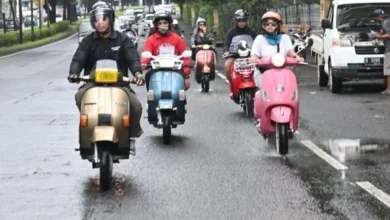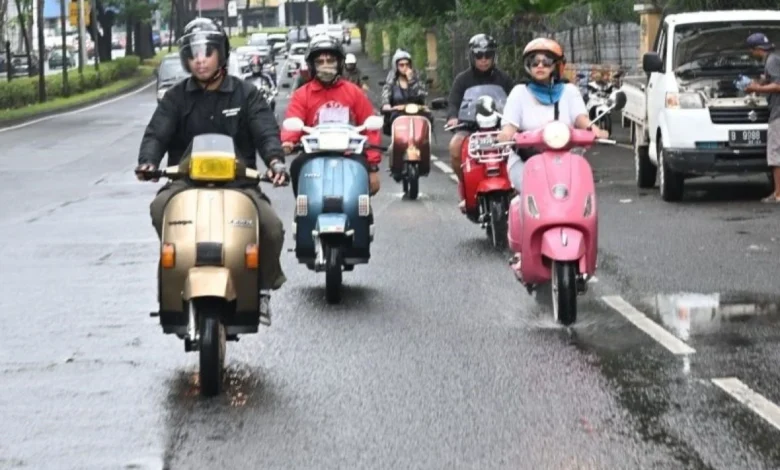
The popularity of Vespa matic scooters in Indonesia, particularly among younger riders, is undeniable. Combining timeless classic aesthetics with modern technology, these scooters offer a comfortable and stylish solution for daily urban mobility. However, like any sophisticated mechanical device, Vespa matics require diligent maintenance to ensure optimal performance. While routine services such as engine oil changes, gear oil replacements, fuel injection system cleaning, and CVT maintenance are crucial, many owners still encounter a frustrating issue: a noticeable "bucking" or sputtering sensation when the throttle is engaged. This phenomenon not only detracts from the smooth acceleration expected from a modern scooter but can also significantly disrupt the riding experience.
This article delves into the multifaceted causes behind this common complaint among Vespa matic owners, offering insights gleaned from industry experts and automotive media. We will explore the critical components that, when compromised, can lead to this unsettling performance issue, and provide actionable advice on how to prevent and rectify it, thereby preserving the joy and reliability of Vespa ownership.
The Underlying Mechanics of Engine Bucking
The "bucking" or "sputtering" experienced in a Vespa matic’s engine, particularly during acceleration, is a symptom of an inefficient or interrupted combustion process. This inefficiency can stem from several interconnected systems within the scooter: the ignition system, the fuel delivery system, the air intake system, and the continuously variable transmission (CVT). When any of these systems are not functioning within their optimal parameters, the delicate balance required for smooth engine operation is disturbed, manifesting as a noticeable lack of responsiveness or an erratic power delivery.
Key Culprits Behind the Bucking Sensation
Numerous factors can contribute to the disconcerting bucking experienced by Vespa matic riders. While regular maintenance is the first line of defense, understanding these specific potential issues can empower owners to identify and address problems more effectively.
1. Compromised Spark Plug Cap (Cangklong Busi)
A component often overlooked, the spark plug cap, known in Indonesian as "cangklong busi," plays a vital role in transmitting electrical current from the ignition coil to the spark plug. In Vespa matics, these caps are typically made of rubber, a material susceptible to hardening and becoming brittle over time due to constant exposure to heat and vibration. Furthermore, improper installation can lead to the internal spring contact shifting out of its intended position.
When the spark plug cap is damaged or misaligned, the electrical flow to the spark plug becomes unstable. This instability results in a weaker spark in the combustion chamber, leading to incomplete combustion of the air-fuel mixture. The consequence is a loss of power and the characteristic bucking sensation during acceleration, as the engine struggles to generate consistent power.
2. Fouled or Worn Spark Plugs
The spark plug itself is a cornerstone of the ignition system. Its primary function is to generate a spark that ignites the air-fuel mixture within the combustion chamber. Over time, the tip of the spark plug can accumulate carbon deposits from the combustion process, a phenomenon known as fouling. Additionally, the electrodes of the spark plug can wear down, altering the optimal gap required for a consistent spark.
A fouled or worn spark plug produces an unstable spark. This inconsistency disrupts the combustion process, leading to a loss of engine power and the feeling of the engine sputtering or hesitating when the throttle is applied. In severe cases, a severely fouled spark plug can even lead to misfires.
3. Ignition Coil or Spark Plug Wire Malfunctions
Beyond the spark plug and its cap, issues with the ignition coil or the spark plug wires can also induce engine bucking. The ignition coil is responsible for stepping up the vehicle’s electrical voltage to a level sufficient to create a strong spark. If the ignition coil begins to weaken due to age or internal damage, or if the spark plug wires develop cracks or wear from prolonged use, the voltage delivered to the spark plug will be suboptimal.
A weakened electrical current results in a weaker spark, leading to inefficient combustion. This reduced efficiency translates directly to a decrease in engine performance and the onset of the bucking symptom, especially under load or during acceleration.
4. Clogged Fuel Filter or Weak Fuel Pump
Problems within the fuel delivery system are another significant contributor to engine bucking. A clogged fuel filter impedes the flow of gasoline to the fuel injectors. Similarly, a weakening or clogged fuel pump can fail to deliver fuel at the required pressure.
When the fuel supply is inconsistent or insufficient, the air-fuel ratio within the combustion chamber becomes imbalanced. This disruption leads to incomplete combustion, causing the engine to hesitate or sputter, particularly when the rider demands more power through the throttle. The smooth, consistent delivery of fuel is paramount for optimal engine operation.
5. Dirty Fuel Injectors or Throttle Body
Modern Vespa matics utilize electronic fuel injection (EFI) systems, which rely on precisely atomized fuel for efficient combustion. The fuel injectors are designed to spray a fine mist of fuel into the intake manifold. Over time, carbon deposits and other contaminants can accumulate within the injectors, disrupting the spray pattern. The throttle body, which controls the amount of air entering the engine, can also become dirty, affecting the air-fuel mixture.
When fuel injectors are dirty, the fuel atomization is compromised, leading to an imperfect air-fuel mixture. This imbalance results in incomplete combustion within the engine cylinders, causing the engine to run rough and exhibit bucking behavior during acceleration. Regular cleaning of these components is vital for maintaining the EFI system’s integrity.
6. Contamination of Fuel with Water
The quality of the fuel used is paramount for engine performance. If water enters the fuel tank, it can significantly disrupt the combustion process. Water, unlike gasoline, does not combust. When a mixture of fuel and water reaches the combustion chamber, it can lead to a loss of power, engine stalling, and the characteristic bucking sensation. In cases of significant water contamination, the scooter may become difficult to start.
To mitigate this risk, owners are advised to purchase fuel from reputable service stations and ensure that the fuel tank cap is always securely fastened to prevent external elements, including water, from entering.
7. Clogged Air Filter
The air filter is a critical component that prevents dust and debris from entering the engine’s combustion chamber. It ensures that a clean supply of air is available for the combustion process. If the air filter becomes clogged with dirt and debris, the amount of air entering the engine is restricted.
A reduced airflow creates an imbalanced air-fuel mixture, with an excess of fuel relative to air. This condition leads to incomplete combustion, resulting in a loss of engine power and the manifestation of bucking or sputtering, especially when the engine is under load. Regular inspection and replacement of the air filter are essential for maintaining the correct air-fuel ratio.
8. Worn or Deformed CVT Rollers
Not all instances of engine bucking are directly attributable to internal engine issues. Problems within the Continuously Variable Transmission (CVT) system can also create a similar sensation. A common culprit within the CVT is worn or deformed rollers.
The rollers within the CVT mechanism are responsible for adjusting the transmission ratio as the engine speed changes. If these rollers become worn down or lose their perfectly round shape (becoming "peyang" or flat-spotted), they can disrupt the smooth movement of the pulley system. This disruption leads to jerky engagement of the transmission, causing vibrations, hesitant acceleration, and a sensation that can be easily mistaken for engine bucking.
Proactive Measures for a Smooth Riding Experience
To ensure that your Vespa matic continues to perform optimally and to prevent the frustrating bucking phenomenon, a proactive approach to maintenance is essential.
Regular Scheduled Servicing: The Foundation of Reliability
Adhering to the manufacturer’s recommended service schedule is the most effective way to maintain your Vespa matic’s performance and longevity. This includes routine checks and replacements of vital components. During these services, mechanics should meticulously inspect:
- Spark Plugs and Caps: Checking for fouling, wear, and proper connection.
- Ignition Coils and Wires: Assessing for any signs of damage or weakening electrical output.
- Air Filters: Ensuring they are clean and allowing adequate airflow.
- Fuel Injectors and Throttle Body: Performing professional cleaning to remove carbon deposits.
- Fuel Filters: Replacing them as per the service interval to ensure clean fuel delivery.
- CVT Components: Inspecting rollers, drive belts, and pulleys for wear and tear.
Early detection of issues during scheduled maintenance can prevent minor problems from escalating into costly repairs and significant performance degradations.
Fuel Quality and Management
The type and quality of fuel used have a direct impact on engine health. Always opt for fuel that meets the manufacturer’s recommendations for octane rating and quality. Furthermore, avoid running the fuel tank consistently on empty. This practice can lead to increased condensation within the tank, potentially introducing water into the fuel system. Refueling at trusted service stations minimizes the risk of encountering contaminated fuel.
Timely Injection System Cleaning
The electronic fuel injection system is a marvel of modern engineering, but like any complex system, it requires periodic attention. Regular professional cleaning of the injectors and throttle body helps maintain optimal fuel atomization and air-fuel mixture, directly contributing to smoother acceleration and overall engine efficiency. The frequency of this cleaning can vary based on riding conditions and fuel quality, but it is generally recommended as part of a comprehensive maintenance plan.
Seeking Professional Expertise
While this guide provides a comprehensive overview of common causes and preventative measures, it is crucial to recognize that some issues may require the expertise of a qualified technician. If your Vespa matic continues to experience bucking or other performance anomalies despite diligent routine maintenance, it is highly advisable to seek assistance from an authorized Vespa service center or a reputable independent workshop specializing in Italian motorcycles. Early diagnosis and professional intervention can prevent minor issues from escalating into more severe and expensive problems, ultimately safeguarding your investment and ensuring a safe and enjoyable riding experience.
Broader Implications for Vespa Owners
The prevalence of engine bucking in Vespa matics, while a solvable issue, highlights a broader need for owner education and consistent maintenance practices within the scooter community. As these stylish machines become increasingly integrated into daily life, understanding their mechanical nuances becomes paramount. The smooth, iconic ride that Vespa is known for is predicated on the diligent care of its intricate systems. By embracing proactive maintenance and understanding the potential pitfalls, owners can ensure their Vespa matics remain a source of pride and reliable transportation for years to come. This commitment to care not only enhances individual riding pleasure but also contributes to the enduring legacy and positive reputation of the Vespa brand in Indonesia and beyond.
Related posts: