Green SM officially launches electric motorcycle ride-hailing services in Jakarta to revolutionize urban mobility

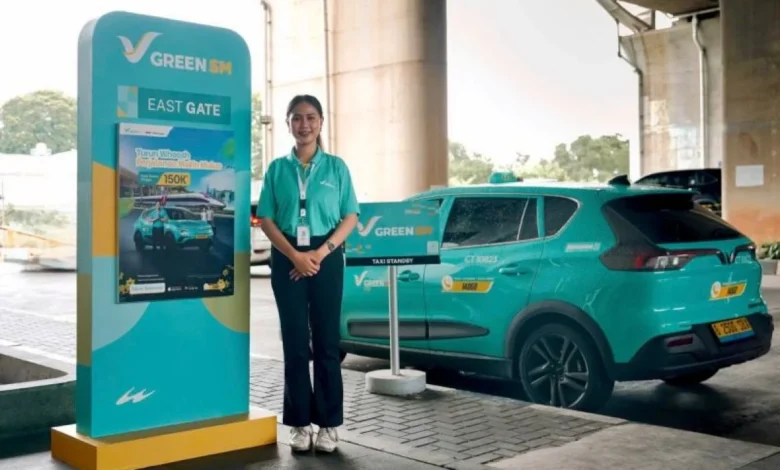
The landscape of urban transportation in Jakarta underwent a significant transformation on September 16, 2026, as Green SM, the Vietnam-based ride-hailing giant, officially introduced its electric motorcycle taxi service, Green SM Bike. Following its successful entry into the Indonesian market with an electric four-wheel taxi fleet, the company’s expansion into the two-wheeler segment marks a historic milestone, positioning Indonesia as the first international market for Green SM’s electric bike operations. This strategic move aims to reshape the city’s commuting habits while simultaneously creating new economic opportunities for local drivers through innovative vehicle ownership models.
A New Chapter in Sustainable Urban Mobility
The launch of Green SM Bike comes at a critical juncture for Jakarta, a city consistently grappling with high traffic density and the urgent need to transition toward sustainable, low-emission transportation solutions. By deploying a fleet of electric motorcycles, Green SM is directly addressing the Indonesian government’s push for the electrification of public transport.
For the initial rollout, the service is concentrated in high-traffic corridors within South, West, and Central Jakarta. The fleet exclusively utilizes VinFast electric motorcycles, specifically the Evo and Feliz II models. These scooters were selected for their agility, reliability, and suitability for the stop-and-go nature of Jakarta’s traffic. Beyond the deployment of vehicles, Green SM has embarked on an ambitious infrastructure project, developing a dedicated network of battery charging and swapping stations to ensure seamless operational continuity for its drivers.
Economic Framework and Ownership Models
One of the most compelling aspects of the Green SM entry is its flexible approach to driver partnership. Recognizing the financial barriers that often prevent individuals from entering the gig economy, the company has introduced a "rent-to-own" scheme. Under this program, drivers can access a vehicle for a daily fee starting at Rp39,000. This is not a standard rental; rather, it is a path to asset ownership. After completing a two-year program, participants gain full ownership of the vehicle, provided they adhere to the contractual stipulations.
For those who prefer not to commit to long-term ownership, the company offers a more traditional rental model with contract durations of three, six, or 12 months. This tier requires a modest security deposit of Rp150,000. To ensure early-stage stability for its partners, Green SM has guaranteed a daily income of Rp160,000 for the first two months of operation, supplemented by performance-based bonuses. While these figures represent a strong incentive, the company emphasizes that final earnings are contingent upon individual performance, trip volume, and the specific terms of the service agreement.
Recruitment Standards and Driver Preparedness
The integration of Green SM into the local ecosystem is supported by a rigorous recruitment and training process. Candidates interested in becoming Green SM Bike partners must be between 21 and 54.5 years old and possess a valid Class C driver’s license, a national ID card (KTP), a family card (KK), and a police clearance certificate (SKCK).
Beyond basic documentation, the company requires drivers to be tech-literate, specifically in using navigation software and mobile applications. A cornerstone of the Green SM entry strategy is safety and professionalism. Before hitting the streets, all successful applicants undergo mandatory training modules that cover not only the operation of electric vehicles—which handle differently than internal combustion engines—but also professional service standards. This emphasis on training is part of a broader collaboration with local authorities, including the Indonesian National Police (Korlantas Polri), to ensure that the influx of new electric riders aligns with national traffic safety protocols.
Chronology of Market Entry and Expansion
The arrival of Green SM Bike is the culmination of a deliberate expansion strategy that began with the introduction of their electric car taxi service in Indonesia. Since their inception in the Indonesian market, the company has faced various regulatory and operational hurdles, including a notable incident involving a collision at a rail crossing in Bekasi. This incident triggered a swift response from the Ministry of Transportation, which conducted inspections of the company’s fleet maintenance and safety procedures.
The scrutiny from the Ministry and subsequent collaboration with the police served as a catalyst for Green SM to refine its safety protocols before venturing into the two-wheeler segment. By the second quarter of 2026, the company had successfully aligned its operational standards with local safety requirements, paving the way for the September launch. The current phase focuses on stabilizing the Jakarta market, with internal reports suggesting that the company is already conducting feasibility studies for expansion into other major Indonesian cities, including Surabaya and Bandung, in the coming year.
Implications for the Indonesian EV Market
The entry of Green SM into the motorcycle segment carries significant implications for the Indonesian automotive and ride-hailing sectors. Currently, the motorcycle taxi market is dominated by incumbent platforms that rely heavily on conventional gasoline-powered vehicles. Green SM’s commitment to an all-electric fleet forces a competitive shift. By proving that electric motorcycles can be viable for high-mileage commercial use, the company is effectively lowering the barrier for public acceptance of electric vehicles (EVs).
Furthermore, the "rent-to-own" model is a disruptive financial product. By lowering the daily cost of entry to approximately the price of a cup of coffee, the company is tapping into a large demographic of potential drivers who were previously excluded from the ride-hailing market due to the high upfront cost of purchasing an electric bike. This has the potential to increase the total number of gig economy workers while simultaneously accelerating the adoption of clean energy.
Challenges and Future Outlook
Despite the optimistic start, the road ahead for Green SM is not without challenges. The primary hurdle remains the "range anxiety" often associated with electric vehicles and the dependency on the speed and reliability of the battery-swapping network. While Green SM is investing heavily in this infrastructure, the density of the network in Jakarta remains a work in progress.
Additionally, the company must manage the expectations regarding the "guaranteed income" of Rp160,000. As the fleet grows, the competition for trips will increase, and the company will need to maintain a delicate balance between driver acquisition and maintaining sufficient earnings for its existing workforce.
Furthermore, the regulatory environment for electric vehicles in Indonesia is still evolving. As the Ministry of Transportation and the National Police continue to emphasize safety, Green SM will likely face ongoing audits and the need for continuous technological updates to its fleet. The company’s ability to navigate these regulatory landscapes while maintaining its operational efficiency will be the defining factor of its long-term success.
In conclusion, the launch of Green SM Bike represents more than just a new transportation option for Jakartans; it is a signal of the accelerating transition toward an electrified transport future. By integrating hardware—in the form of VinFast vehicles—with a sophisticated financial and operational service model, Green SM is positioning itself as a pivotal player in Indonesia’s green energy transition. As the project matures, its success or failure will likely serve as a blueprint for other Southeast Asian markets looking to modernize their urban transport systems through electrification. The company’s commitment to safety, combined with its innovative ownership schemes, suggests a model designed for endurance, provided that the necessary charging infrastructure keeps pace with the fleet’s growth.
Related posts: