Green SM Bike Officially Launches Electric Motorcycle Ride-Hailing Services in Jakarta to Revolutionize Urban Mobility

The landscape of Jakarta’s public transportation underwent a significant transformation on September 16, 2026, with the official debut of Green SM Bike. As the first international market for the Vietnamese ride-hailing giant to introduce a dedicated electric motorcycle fleet, this expansion marks a pivotal moment in Indonesia’s transition toward sustainable urban mobility. By integrating the VinFast Evo and Feliz II electric scooters into its operational ecosystem, Green SM aims to provide a cleaner, more efficient alternative to conventional internal combustion engine (ICE) motorcycles while simultaneously creating new economic avenues for the city’s gig workforce.
The Evolution of Green SM in Indonesia
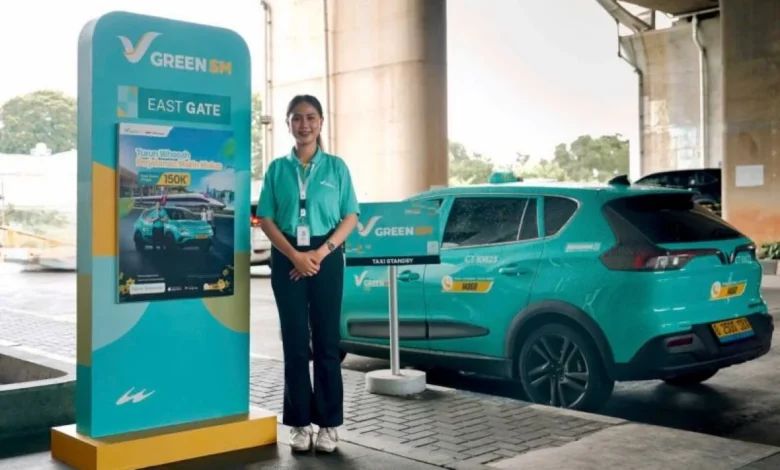
Green SM, a subsidiary of the broader VinFast mobility ecosystem, entered the Indonesian market with an initial focus on four-wheeled electric taxi services. While the transition into the two-wheeled sector is a new development, the company has spent the better part of the last two years establishing the necessary infrastructure to support electric vehicle (EV) adoption. The decision to launch in Jakarta—a city struggling with significant traffic congestion and high pollution levels—is part of a broader strategy to decentralize transport solutions and reduce the carbon footprint of daily commuting.
The deployment of the motorcycle service followed a rigorous period of testing and regulatory alignment. Before the September 16 launch, the company worked closely with the Indonesian National Police (Korlantas Polri) to ensure that its training protocols met national safety standards. This collaboration underscored the company’s intent to address the safety concerns that often plague the rapid expansion of ride-hailing services in high-density urban environments.
Operational Scope and Strategic Deployment
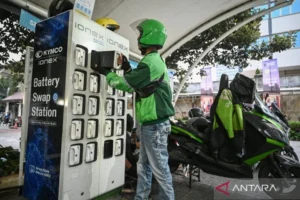
For its initial phase, Green SM Bike is concentrating its operations within key strategic zones, specifically targeting high-traffic corridors in South, West, and Central Jakarta. This geographic concentration allows the company to optimize its battery-swapping infrastructure—a critical component of the VinFast ecosystem. Unlike charging-heavy models that require hours of downtime, Green SM’s network of battery-swap stations ensures that drivers can minimize unproductive time, maintaining high vehicle utilization rates.
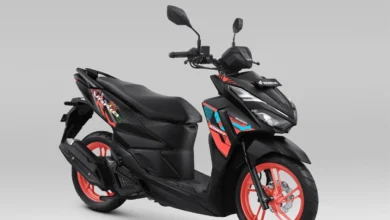
The fleet consists of two primary models: the VinFast Evo and the Feliz II. These scooters were specifically selected for their agility, durability, and range, making them ideal for the stop-and-go nature of Jakarta traffic. By utilizing these specific models, Green SM is not only promoting the VinFast brand but is also providing a proof-of-concept for the viability of electric motorbikes as a primary tool for professional logistics and passenger transport.
Financial Models for Driver Empowerment
One of the most notable aspects of the Green SM launch is its aggressive and inclusive financial model. Recognizing the barrier to entry that high-quality electric vehicles represent for many potential drivers, the company has introduced a "rent-to-own" program. Under this scheme, drivers can access a vehicle for a daily commitment of IDR 39,000.
This program is structured as a two-year path to ownership, contingent upon the driver meeting specific performance and operational criteria. For those hesitant to commit to a long-term purchase, the company offers more flexible leasing options spanning three, six, or 12 months, requiring only a modest deposit of IDR 150,000. This tiered approach is designed to democratize access to electric vehicles, allowing individuals who might otherwise be excluded from the gig economy due to a lack of personal capital to enter the market.
Furthermore, to incentivize early adoption, Green SM has guaranteed a daily earning potential of up to IDR 160,000 during the first two months of the program. While this figure is subject to performance metrics and specific program terms, it provides a stable floor for drivers transitioning to the platform.
Regulatory Compliance and Safety Standards
The entry of Green SM has not been without its challenges. The company’s operations in Bekasi, particularly those involving its four-wheeled taxi fleet, have previously faced scrutiny from the Ministry of Transportation (Kemenhub) following infrastructure-related incidents. These events served as a catalyst for tighter safety oversight, leading to the current, more rigorous training requirements for all Green SM Bike partners.
To become a partner, applicants must navigate a comprehensive recruitment process. Requirements include:
- Age: 21 to 54 years and 6 months.
- Documentation: Valid Class C driver’s license (SIM C), National ID (KTP), Family Card (KK), and a Police Clearance Certificate (SKCK).
- Technical Literacy: Proficiency in navigation apps and a functional smartphone.
Following successful registration, all drivers are required to complete a mandatory training program. This curriculum covers not only the standard code of conduct for ride-hailing but also the specific technical requirements for operating electric vehicles, including emergency protocols and battery management.
Broader Economic and Environmental Implications
The introduction of Green SM Bike aligns with the Indonesian government’s broader "Net Zero" ambitions. As Jakarta continues to grapple with the externalities of rapid urbanization, the shift toward electrified two-wheelers is viewed as a necessary step in curbing air pollution. Economically, the initiative provides a structured income source for thousands of potential drivers.
However, industry analysts note that the success of this model will hinge on two primary factors: the scalability of the battery-swapping network and the long-term maintenance costs of the VinFast fleet. If Green SM can maintain high service availability without significant downtime, it could set a new benchmark for the local ride-hailing industry, forcing competitors to accelerate their own electrification efforts.
The collaboration between Green SM and the Indonesian Police is a significant indicator of the shift toward a more professionalized gig economy. By emphasizing safety and vehicle ownership, the company is attempting to move away from the "disposable labor" critique often leveled at major tech platforms. Instead, it seeks to cultivate a fleet of permanent, well-trained, and invested operators.
Future Outlook and Expansion Plans
While current operations are limited to specific areas in Jakarta, the company’s internal roadmap suggests an aggressive expansion strategy. If the initial pilot program meets its key performance indicators—namely driver retention rates and vehicle uptime—Green SM is expected to expand its footprint to satellite cities such as Tangerang, Depok, and Bogor by early 2027.
The company remains in a period of stabilization, carefully monitoring the performance of the VinFast Evo and Feliz II units under the heavy strain of daily commercial use. As the data from these initial months is analyzed, Green SM will likely adjust its incentive structures and operational strategies to better suit the specific needs of the Indonesian market.
In summary, the launch of Green SM Bike on September 16, 2026, is more than just the arrival of a new app; it is an experiment in the industrial-scale electrification of the world’s most congested motorcycle-reliant city. By combining flexible ownership schemes, dedicated EV infrastructure, and a focus on professional training, Green SM is positioning itself as a cornerstone of Indonesia’s future transportation infrastructure. The road ahead remains complex, as the company must navigate both the competitive pressures of the local ride-hailing market and the rigorous demands of maintaining a high-performance electric fleet in a tropical, high-traffic environment. Nevertheless, the initial response from both the labor market and regulatory bodies suggests that the electric revolution in Jakarta’s ride-hailing sector has firmly begun.